Image

25 Best Places to Visit in Georgia

The Ultimate Travel Guide

Georgian Coast, Georgian Mountains, Kakheti – Wine region, Tbilisi
/09 September, 2026
1/
Tbilisi

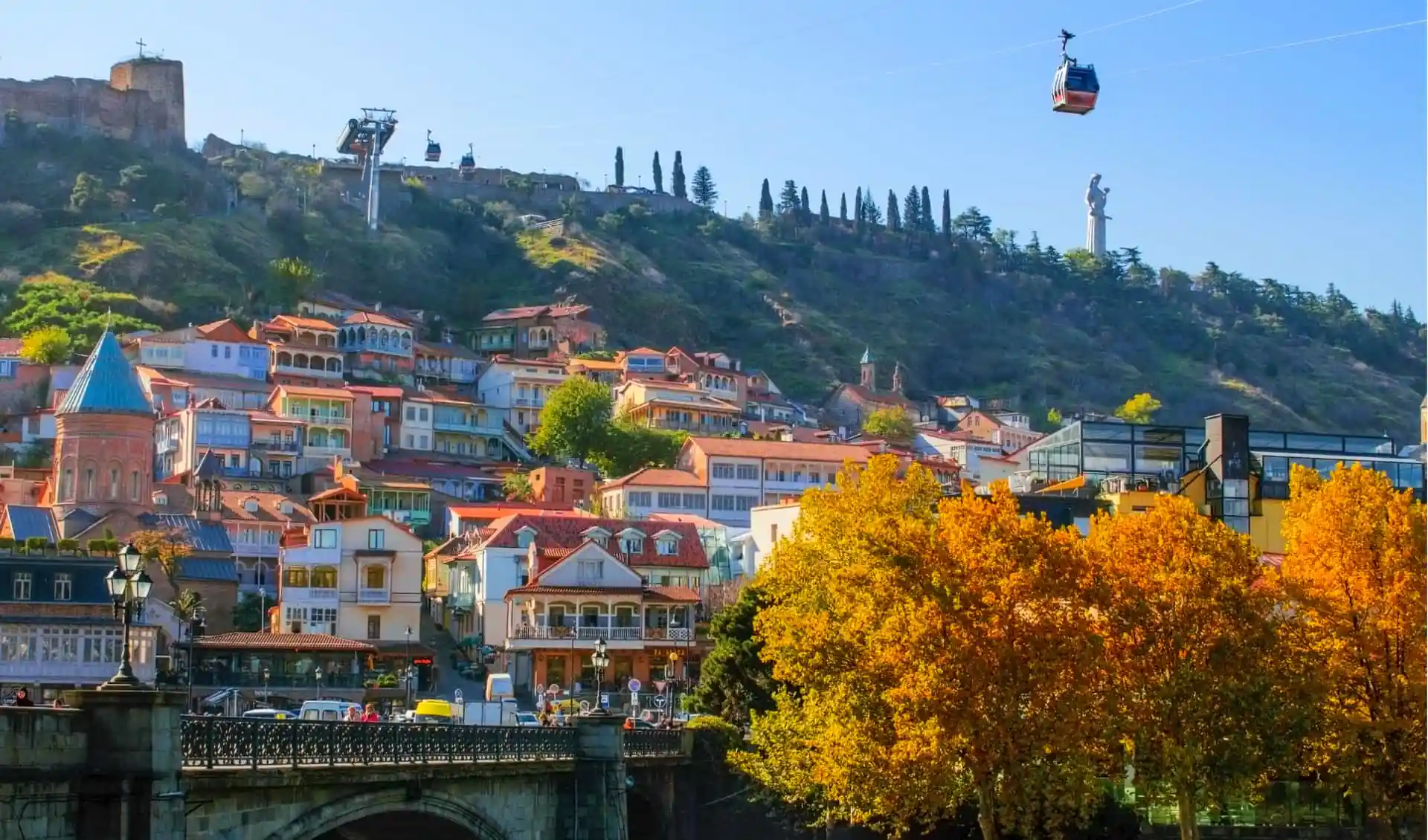
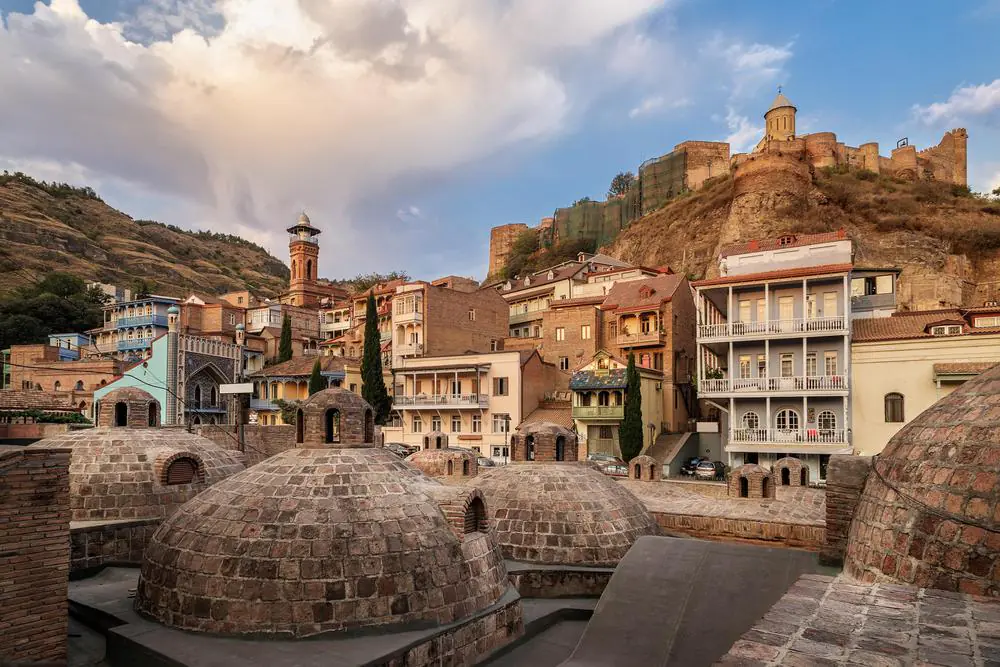
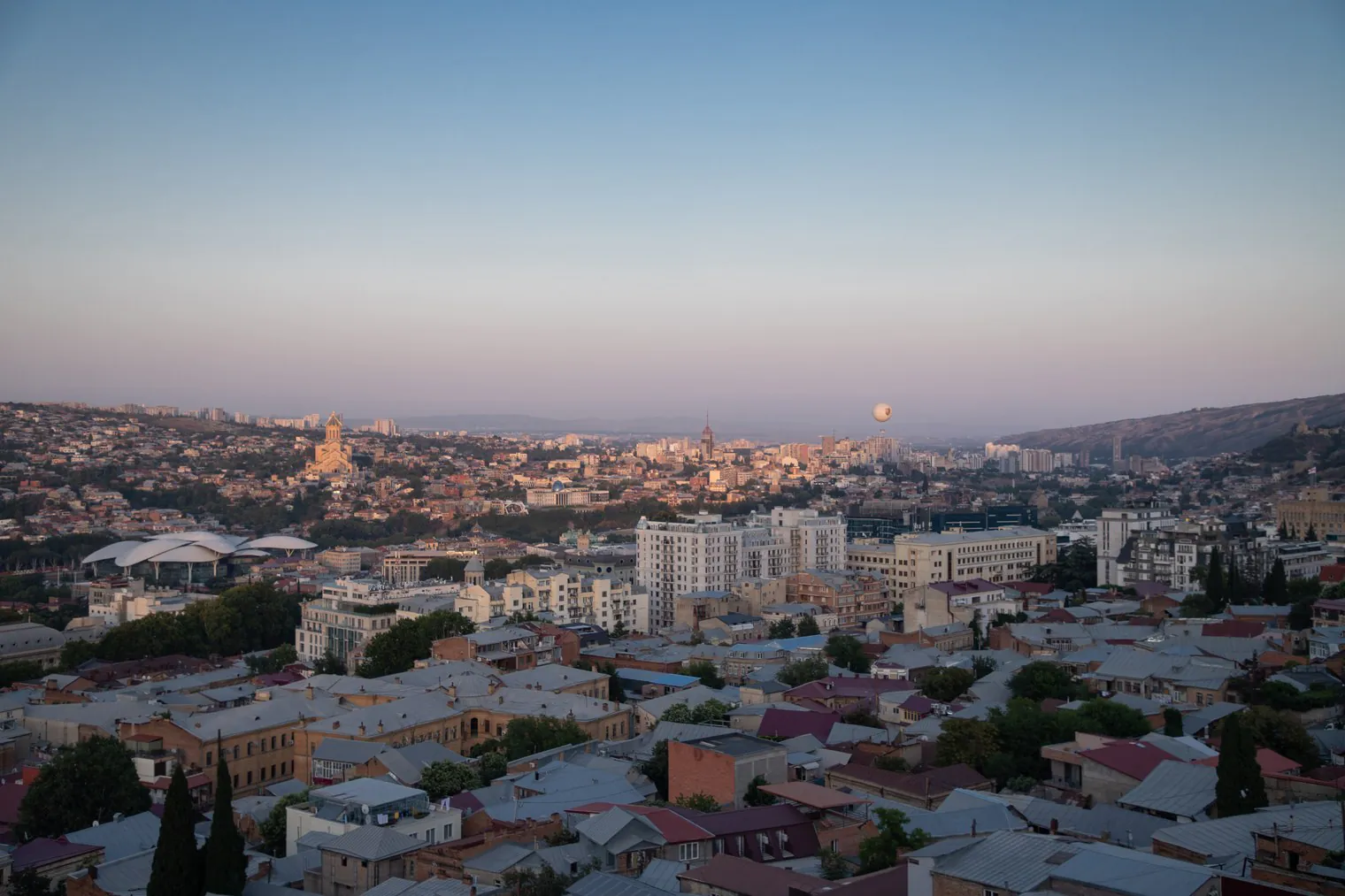
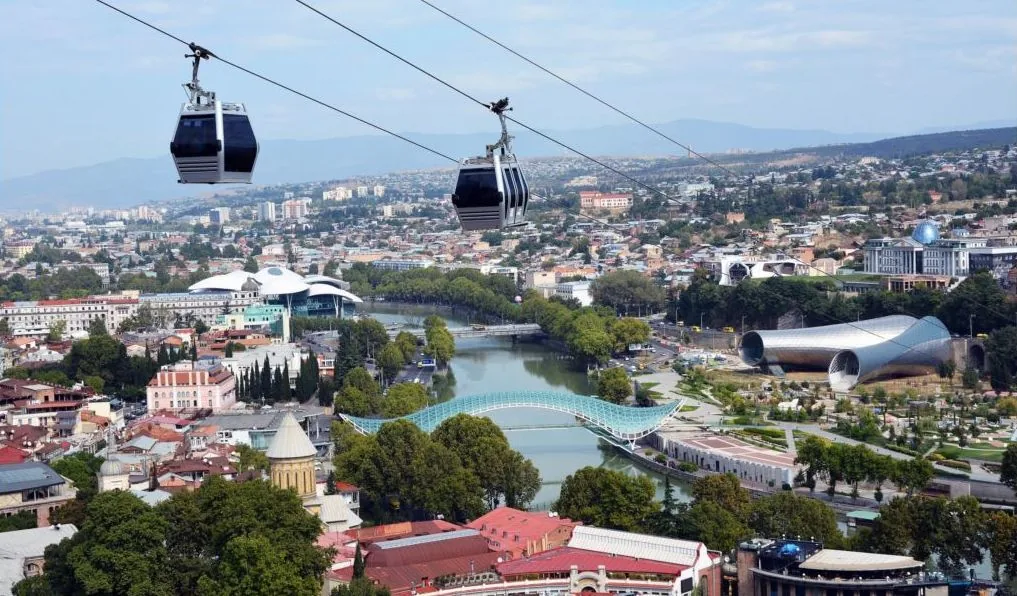
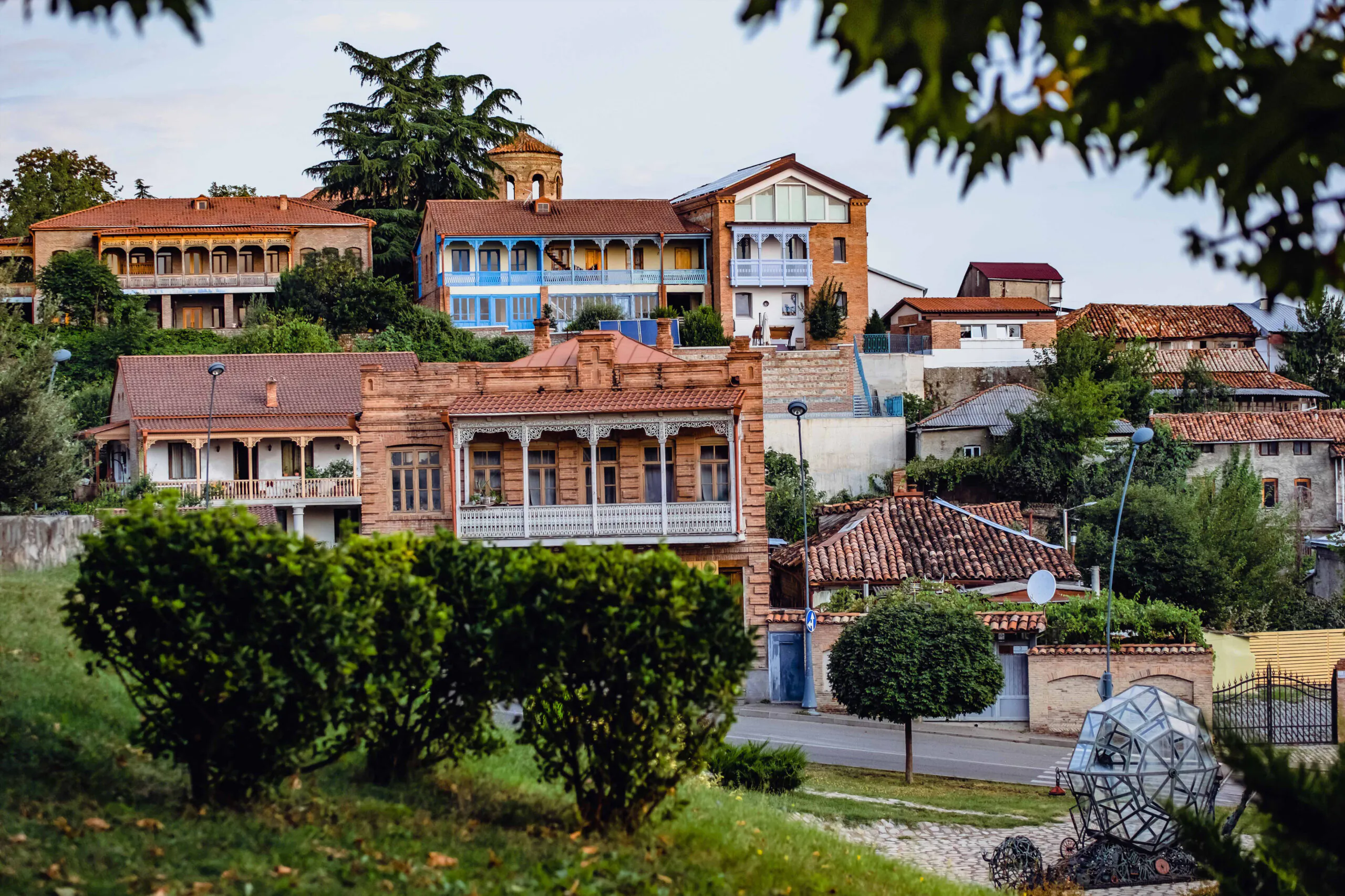
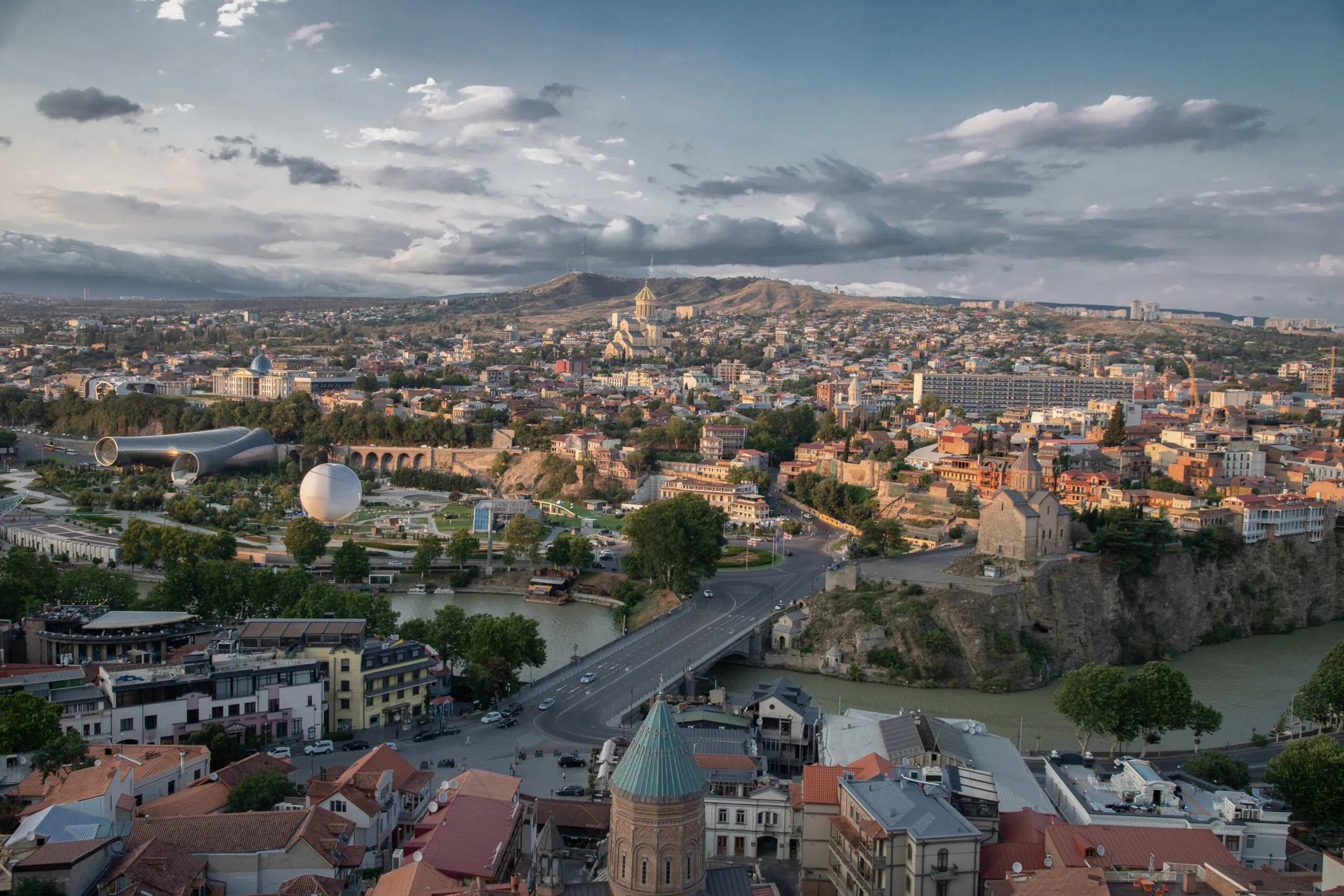
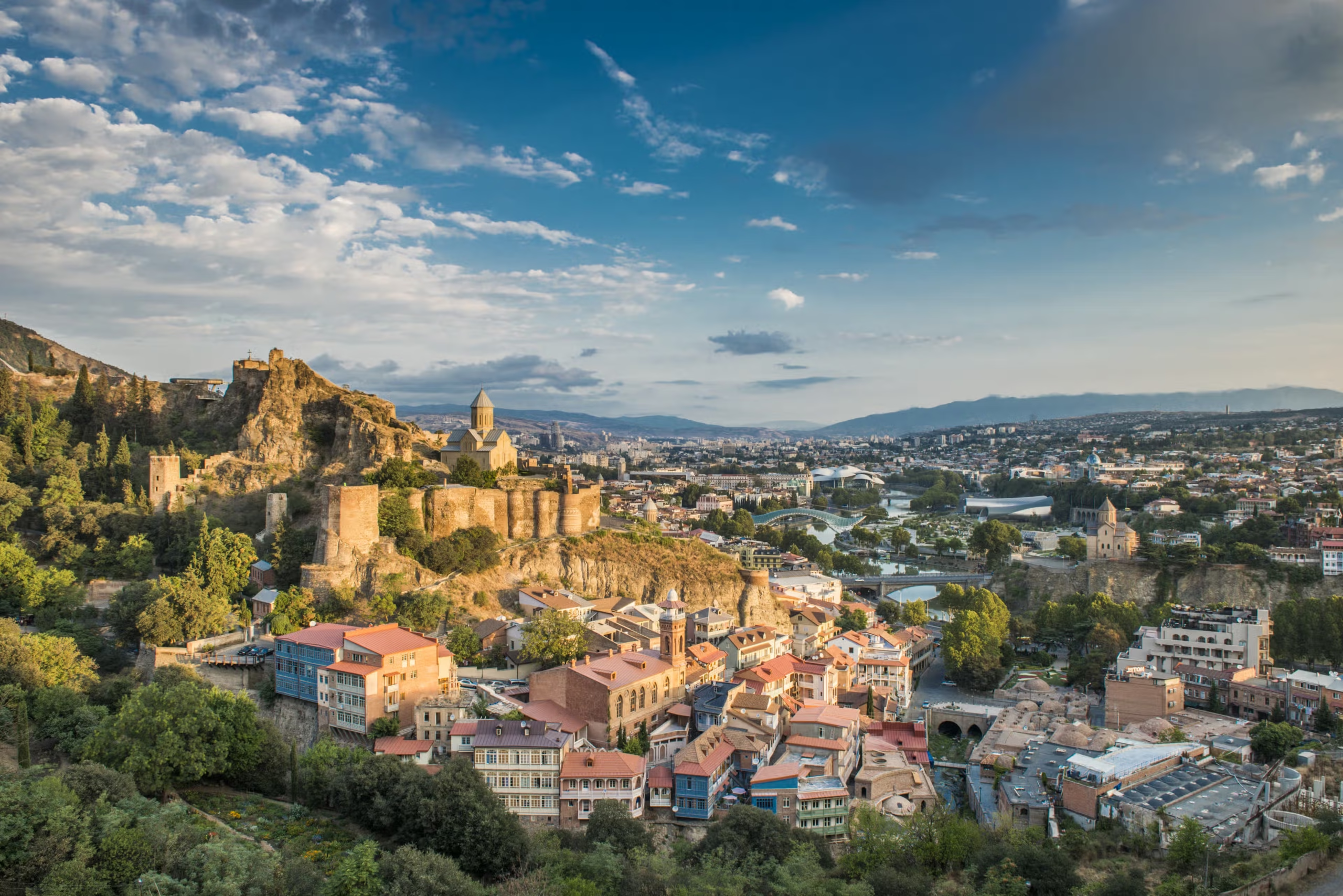
Tbilisi is the natural starting point for discovering Georgia. It is a city that cannot be defined by one architectural style or historical period. Ancient sulfur baths, a medieval fortress, traditional wooden balconies, Soviet-era buildings, contemporary galleries, wine bars, and modern restaurants all exist side by side.

The best way to get to know the city is to start in the Old Town. Abanotubani is famous for its sulfur baths, which are closely connected to one of the most popular legends about the founding of Tbilisi. From here, you can walk up to Narikala Fortress, continue to the small Leghvtakhevi Waterfall, and then make your way through Meidan and the surrounding historic streets.

Sololaki deserves special attention as well. This quieter historic district is known for elegant 19th and early 20th-century buildings, old entrances, decorative facades, and hidden architectural details. In recent years, it has also become one of the city’s centers of contemporary culture.

Tbilisi is worth exploring after dark as well. Once the city lights come on, the Old Town takes on a different character. Narikala and the bridges are illuminated, wine bars and restaurants come alive, and the streets become especially pleasant for an evening walk.

Interesting fact: Tbilisi is built across several hills around the Mtkvari River, which means the city constantly reveals itself from different perspectives. Even a familiar route can look completely different depending on where you stand.

What to see: the Old Town, Abanotubani, Narikala Fortress, Meidan, Leghvtakhevi, Sololaki, Rustaveli Avenue, Rike Park, the Bridge of Peace, Turtle Lake, and Mtatsminda.

Practical tip: allow at least 2-3 days for your first visit. Rather than trying to cover every district in a single day, combine sightseeing with a museum or gallery, a Georgian meal, a wine tasting, and some unplanned time to simply enjoy the city.

2/
Tbilisi Sea

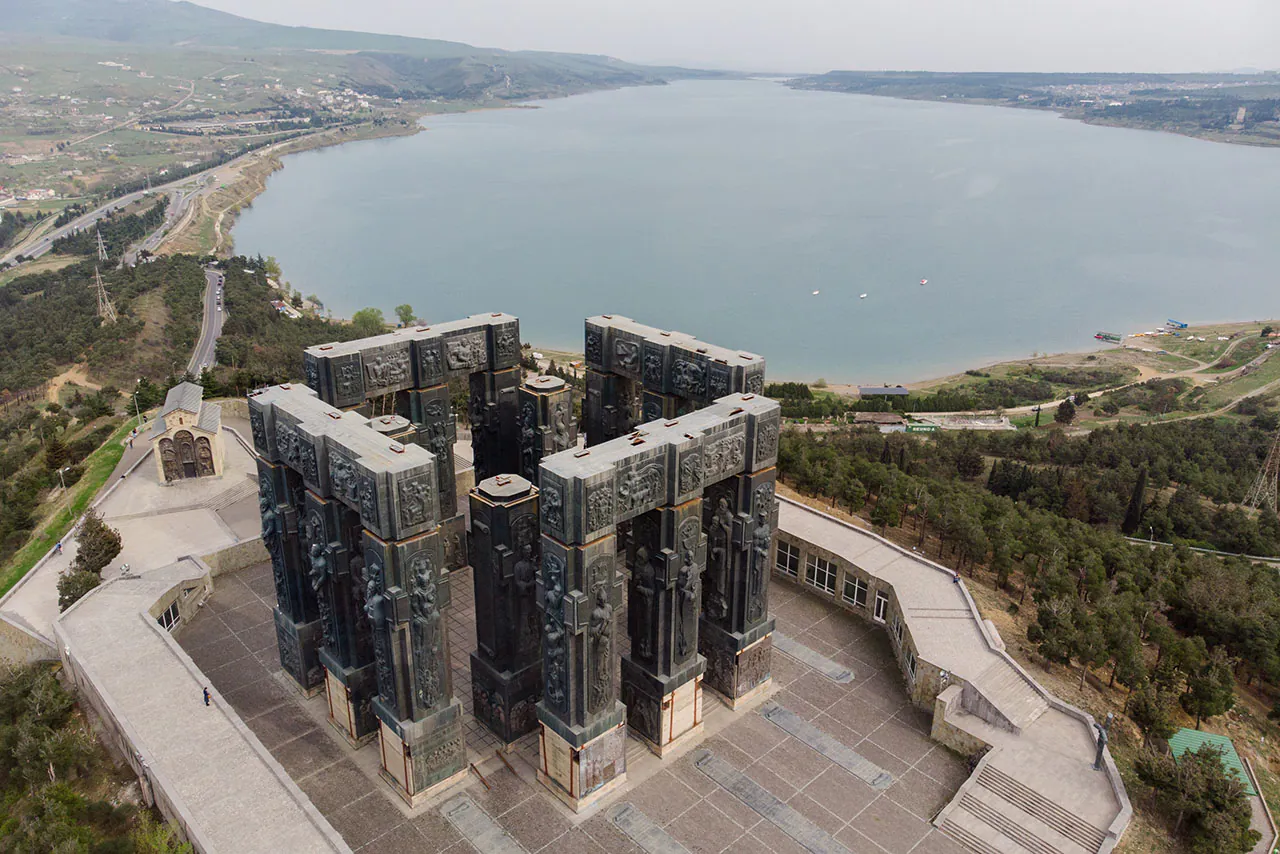
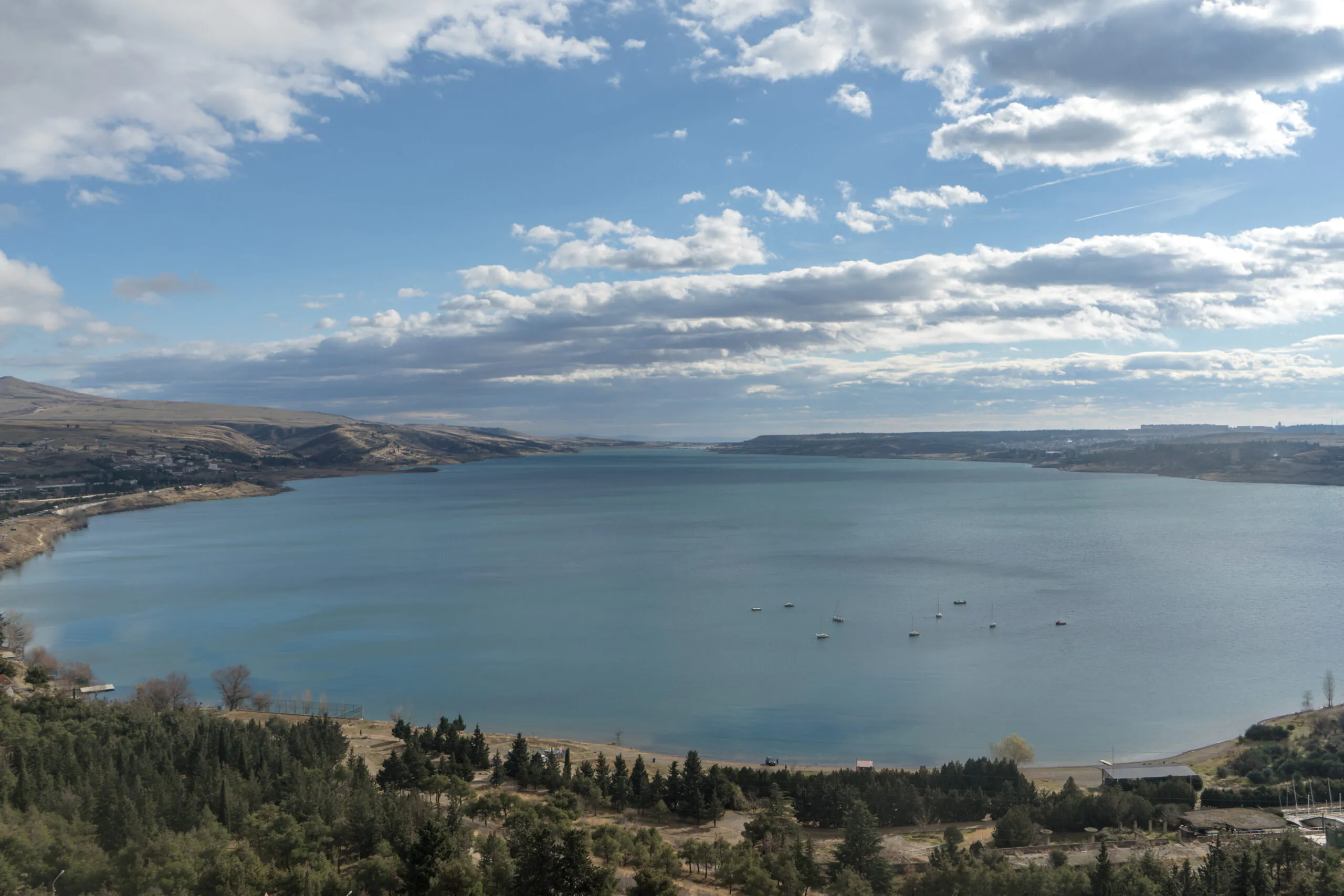
Tbilisi Sea is a large reservoir on the northeastern outskirts of the capital. Despite its name, it is not a sea but an artificial body of water that has become a popular recreational area for locals.

During the warmer months, people come here for swimming, walking, outdoor activities, and time by the water. Several recreational areas and beach facilities can be found around the reservoir.

The landscape is completely different from central Tbilisi. There are no medieval streets or historic houses here, just open space, water, and wide horizons.

Interesting fact: the reservoir was created in the mid-20th century as part of the city’s water infrastructure.

What to see: the reservoir, waterfront areas, recreational zones, and sunset views.

Practical tip: Tbilisi Sea is most worthwhile in summer or when you specifically want to add some downtime to your itinerary. For a first visit to Tbilisi, the historic center remains the priority.

3/
Mtskheta

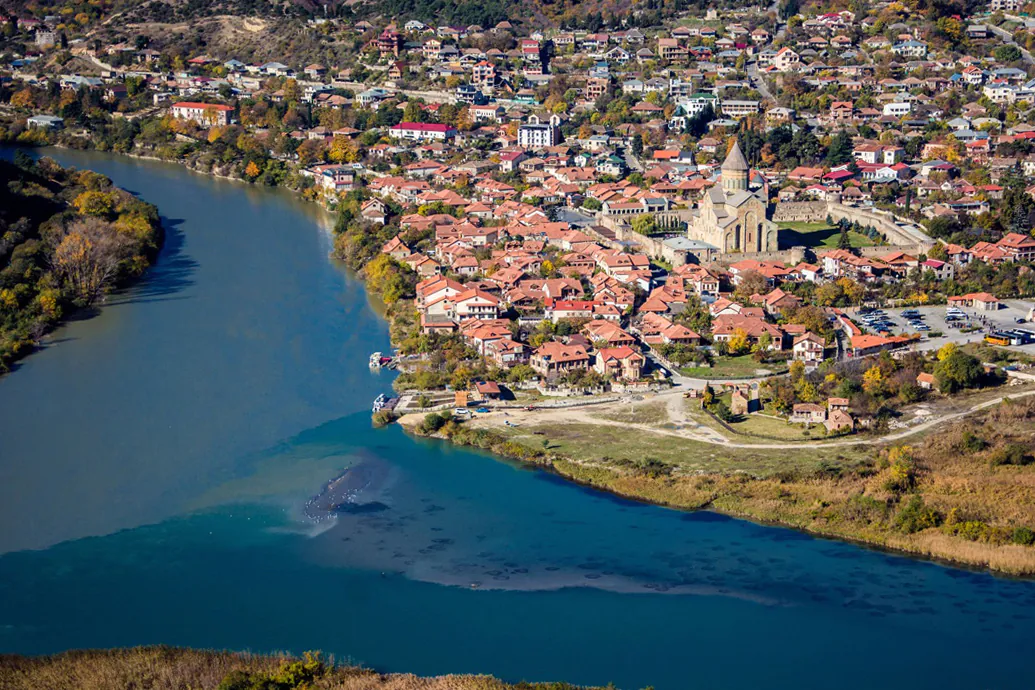
Mtskheta is the ancient capital of Georgia and one of the country’s most important historical destinations. Today, it is a small and peaceful town about half an hour from Tbilisi, but its importance in Georgian history is enormous.

The main landmark is Svetitskhoveli Cathedral. Its history is closely connected with the adoption and development of Christianity in Georgia, and the cathedral has remained one of the country’s most important religious centers for centuries.

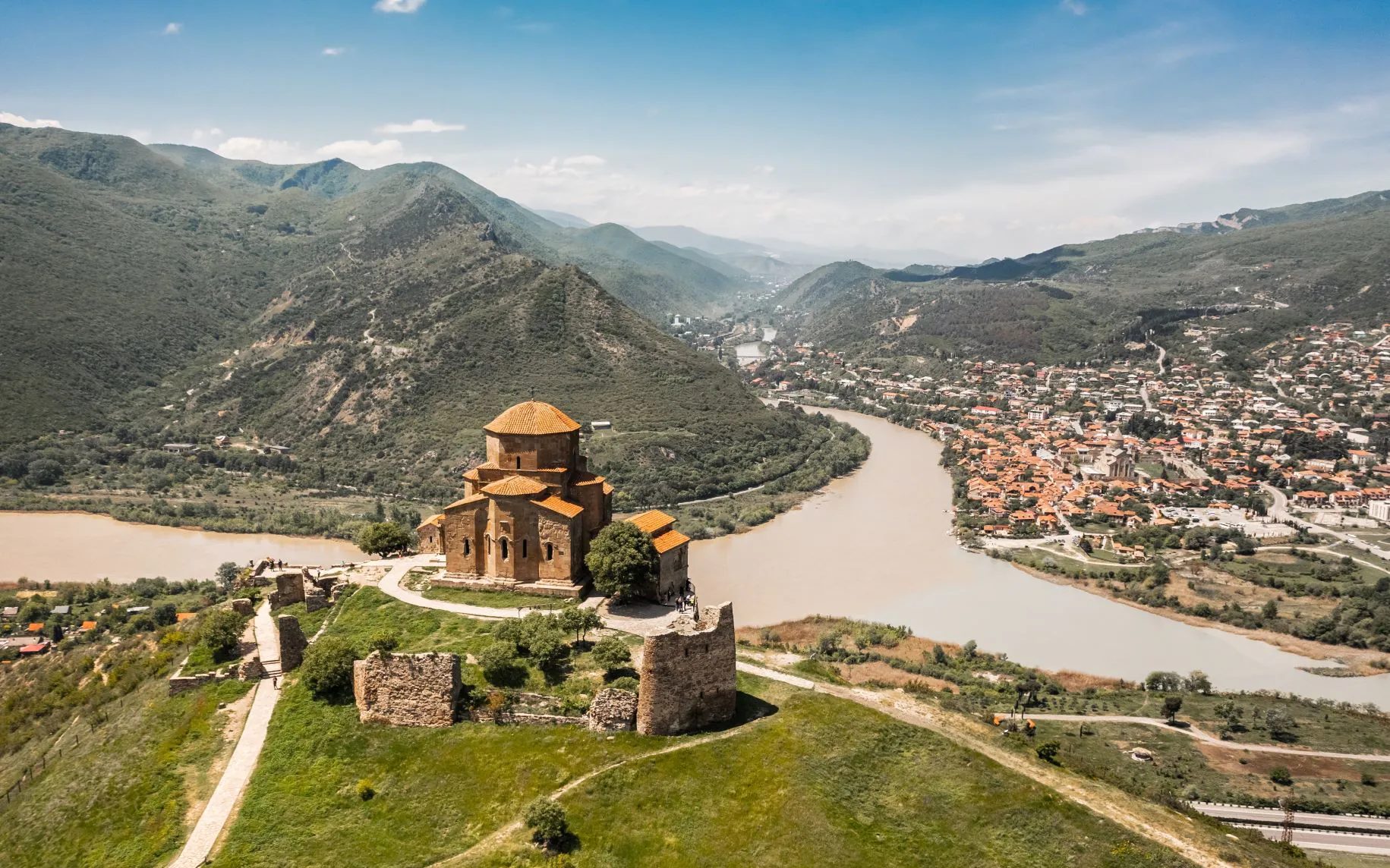
After exploring Mtskheta itself, continue to Jvari Monastery. Perched on a hill above the town, it offers one of the most beautiful panoramic views in the region. From here, you can clearly see the meeting point of the Aragvi and Mtkvari rivers.

Another important site is Samtavro Monastery. Together, the historical monuments of Mtskheta form such an important cultural complex that the city was inscribed on the UNESCO World Heritage List in 1994.

Interesting fact: Mtskheta is traditionally associated with the conversion of Georgia to Christianity in the early 4th century under King Mirian III.

What to see: Svetitskhoveli Cathedral, Jvari Monastery, Samtavro Monastery, the old streets of Mtskheta, and the panoramic viewpoint from Jvari.

Practical tip: visit in the morning or later in the afternoon and combine Mtskheta with Jvari. It is one of the easiest day trips from Tbilisi, making it ideal even for a short stay.

4/
Chateau Mukhrani

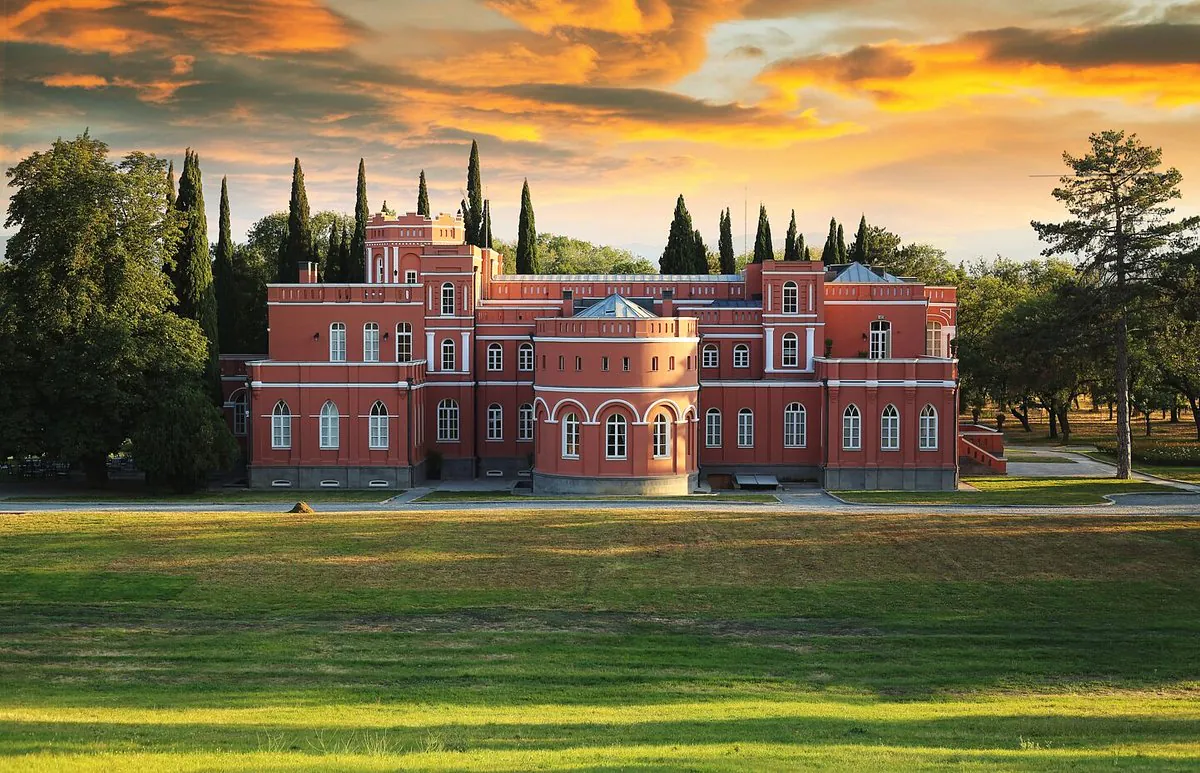
Chateau Mukhrani is a historic wine estate located relatively close to Tbilisi and is a good option for travelers who want to experience Georgian wine in a comfortable and polished setting.

The estate is connected with the princely Bagrationi-Mukhrani family and has a history that goes far beyond its modern winery. The historic residence, vineyards, and wine facilities form a distinctive estate surrounded by the Georgian countryside.

Today, a visit can be organized as a complete gastronomic experience, combining a walk through the estate, an introduction to its history, a winery tour, wine tasting, and lunch.

Unlike smaller family wineries in Kakheti, Chateau Mukhrani offers a different perspective on Georgian wine, combining local winemaking traditions with a more European-style approach to hospitality and wine production.

Interesting fact: Prince Ivane Mukhranbatoni played an important role in the development of modern Georgian winemaking, and the estate became one of the country’s historically significant wine projects.

What to see: the historic estate, vineyards, winery, wine cellars, tasting rooms, and surrounding grounds.

Practical tip: book your visit in advance, particularly if you want a private tasting or lunch. Chateau Mukhrani can easily be combined with Mtskheta or visited as a separate half-day trip from Tbilisi.

5/
Gudauri

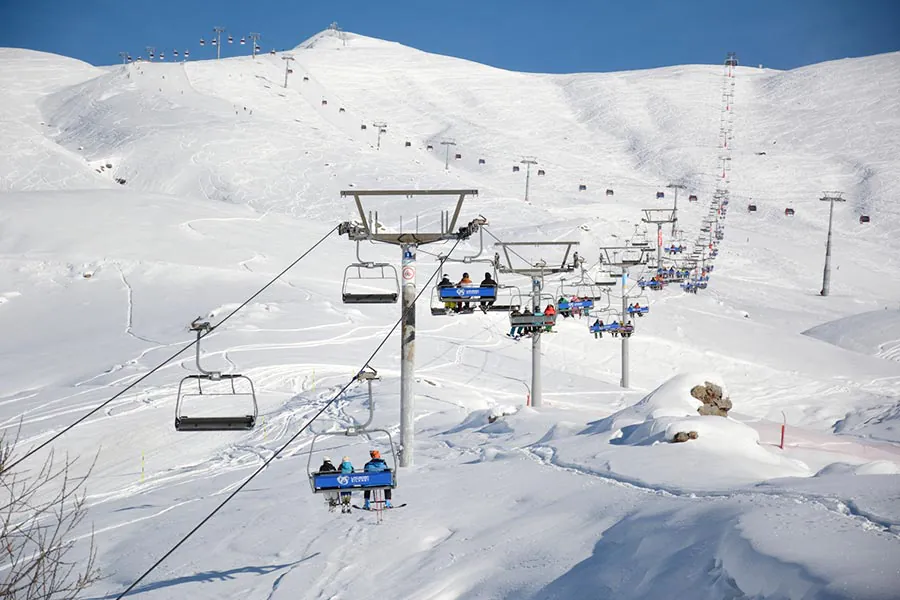
Gudauri is Georgia’s main ski resort and one of the country’s most convenient destinations for a winter mountain holiday. Located directly on the Georgian Military Highway, it is easy to combine with a trip between Tbilisi and Kazbegi.

In winter, visitors come primarily for skiing and snowboarding. The resort’s altitude and extensive slopes make it suitable for both experienced skiers and beginners.

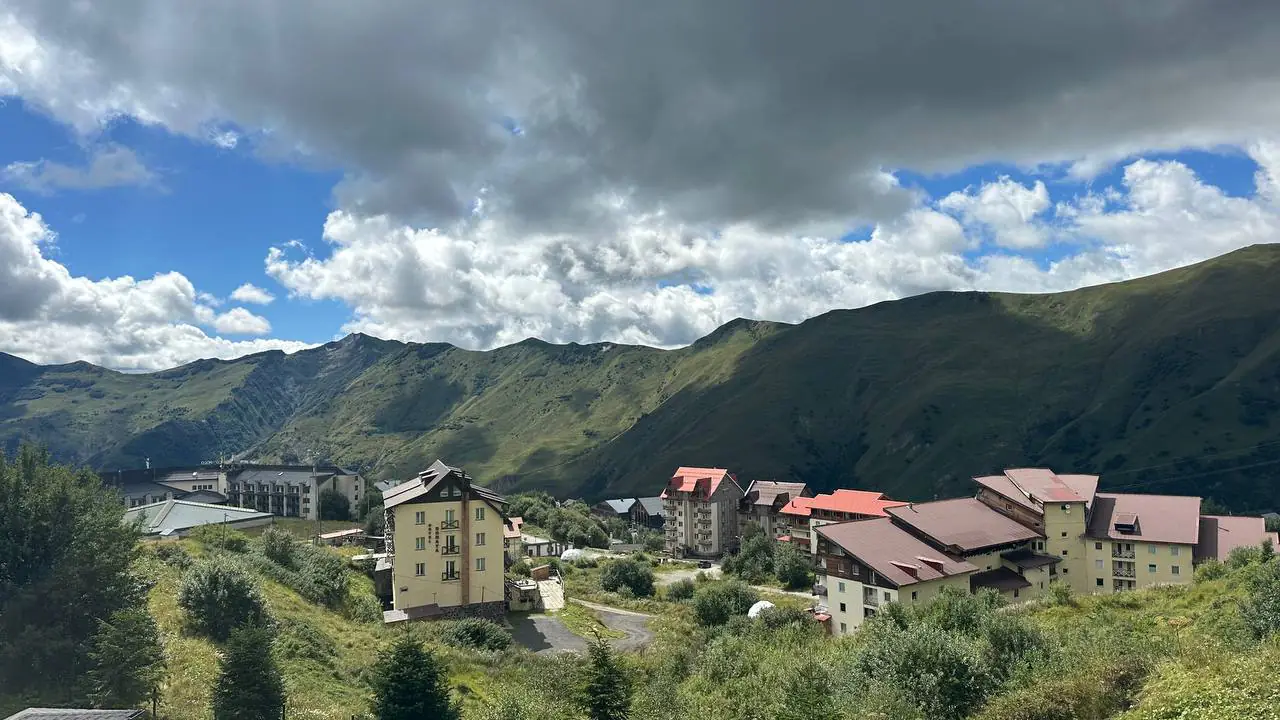
In summer, Gudauri transforms completely. The snow gives way to green mountain slopes, and the area becomes a base for hiking, paragliding, scenic drives, and exploring the surrounding Caucasus.

Interesting fact: Gudauri sits at around 2,200 meters above sea level, which means summer temperatures here can be considerably cooler than in Tbilisi.

What to see: mountain viewpoints, Jvari Pass, the Russia-Georgia Friendship Monument, surrounding valleys, and scenic sections of the Georgian Military Highway.

Practical tip: in winter, always take road conditions into account. After heavy snowfall, travelling with an experienced driver familiar with mountain roads is the safest and most comfortable option.

6/
Kazbegi and Stepantsminda

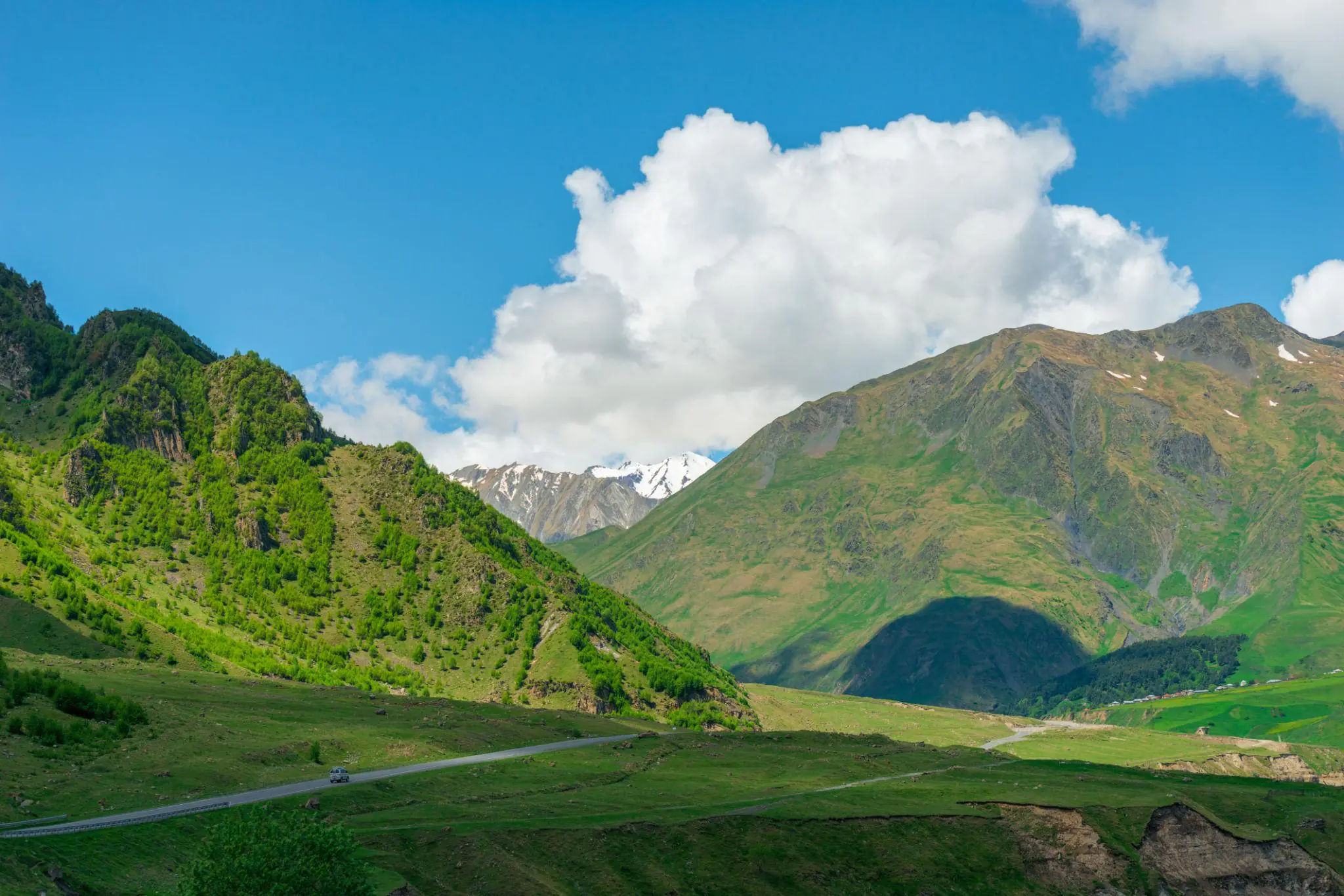
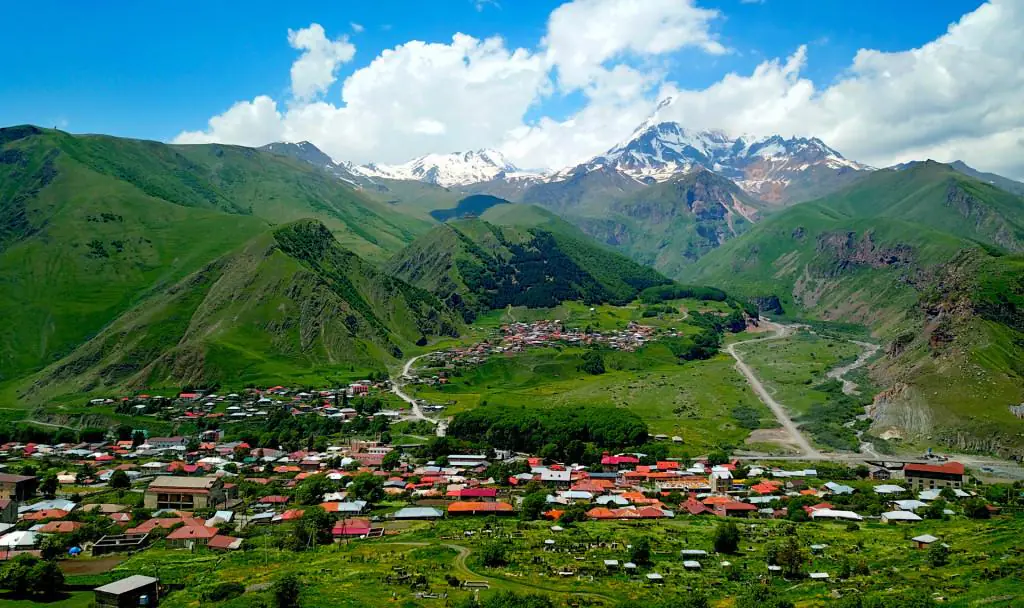
Kazbegi is one of the most recognizable landscapes in Georgia. Its most famous landmark is Gergeti Trinity Church, standing at around 2,170 meters above sea level with Mount Kazbek rising dramatically behind it.

But the church is only the beginning. The journey from Tbilisi follows the Georgian Military Highway, which is itself one of the highlights of the trip. Along the way, you can stop at the Zhinvali Reservoir, visit Ananuri Fortress, admire the confluence of the Black and White Aragvi rivers, and cross the Jvari Pass.

The area around Stepantsminda includes the Truso Valley, the village of Sno, and the Dariali Gorge. There are also hiking routes of varying difficulty for those who want to experience the mountains on foot.

Mount Kazbek rises to 5,054 meters and is one of the most famous peaks in the Caucasus. On a clear day, it dominates the entire valley, although mountain weather changes quickly, so a clear view of the summit can never be guaranteed.

Interesting fact: the name Kazbegi is connected to the Kazbegi family, whose representatives played an important role in the history of the region.

What to see: Gergeti, Stepantsminda, Dariali Gorge, Sno, Truso Valley, Jvari Pass, and the Georgian Military Highway.

Practical tip: stay at least one night if possible. If you are visiting as a day trip, avoid overloading the itinerary with too many stops. Mountain weather and road conditions can easily affect the schedule.


7/
Kakheti

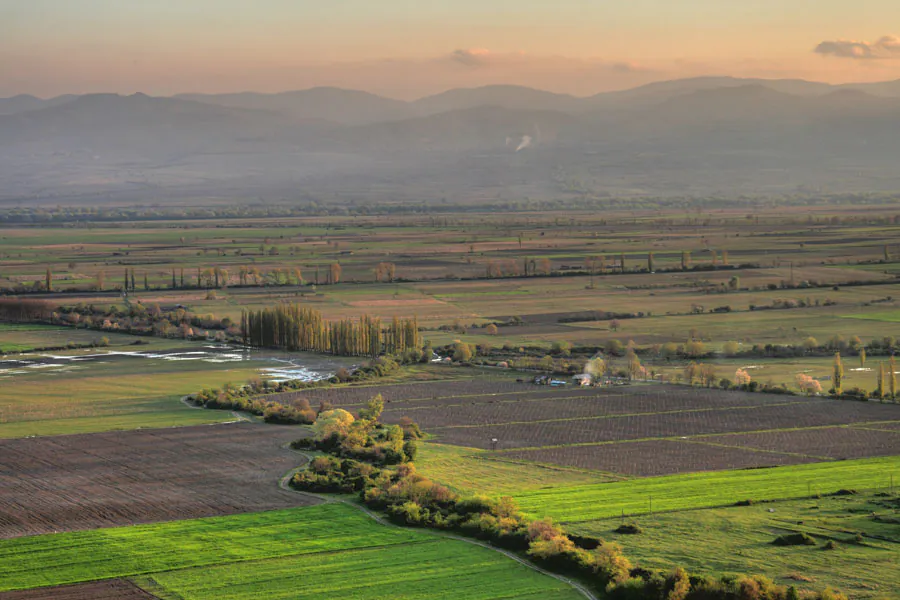
Kakheti is Georgia’s principal wine region and one of the destinations that should be considered for almost any first trip to the country.

The region is large and diverse. Sighnaghi is ideal for historic streets and panoramic views, Telavi offers a glimpse into local life, and between them are dozens of wineries, restaurants, monasteries, and historic estates.

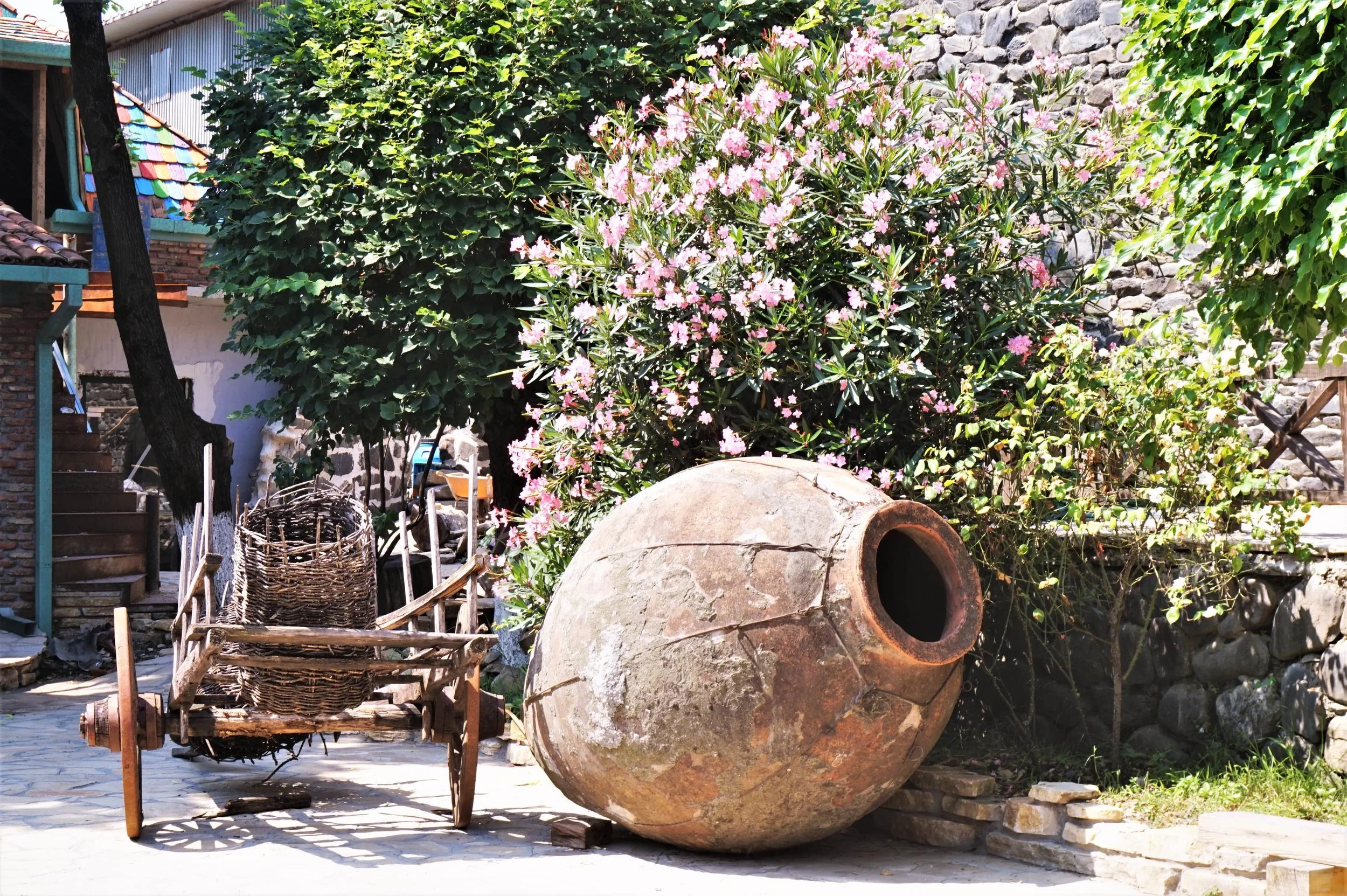
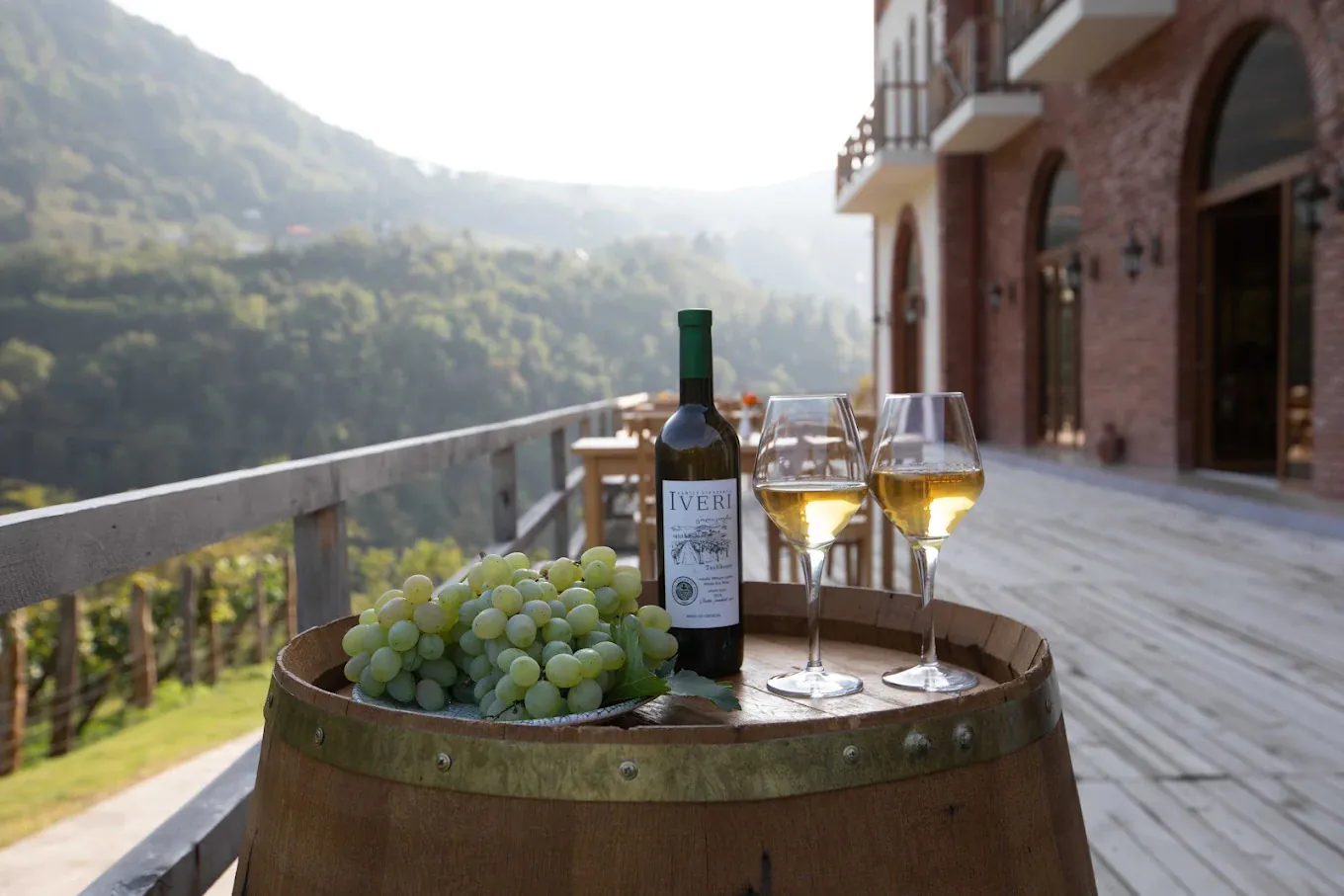
Kakheti is the perfect place to taste indigenous Georgian grape varieties, visit traditional wineries, learn about qvevri winemaking, and enjoy long lunches surrounded by vineyards.

Local gastronomy is equally important. Kakhetian dishes such as chakapuli, khashlama, barbecue, freshly baked shoti bread, local cheeses, and seasonal produce pair naturally with the region’s wines.

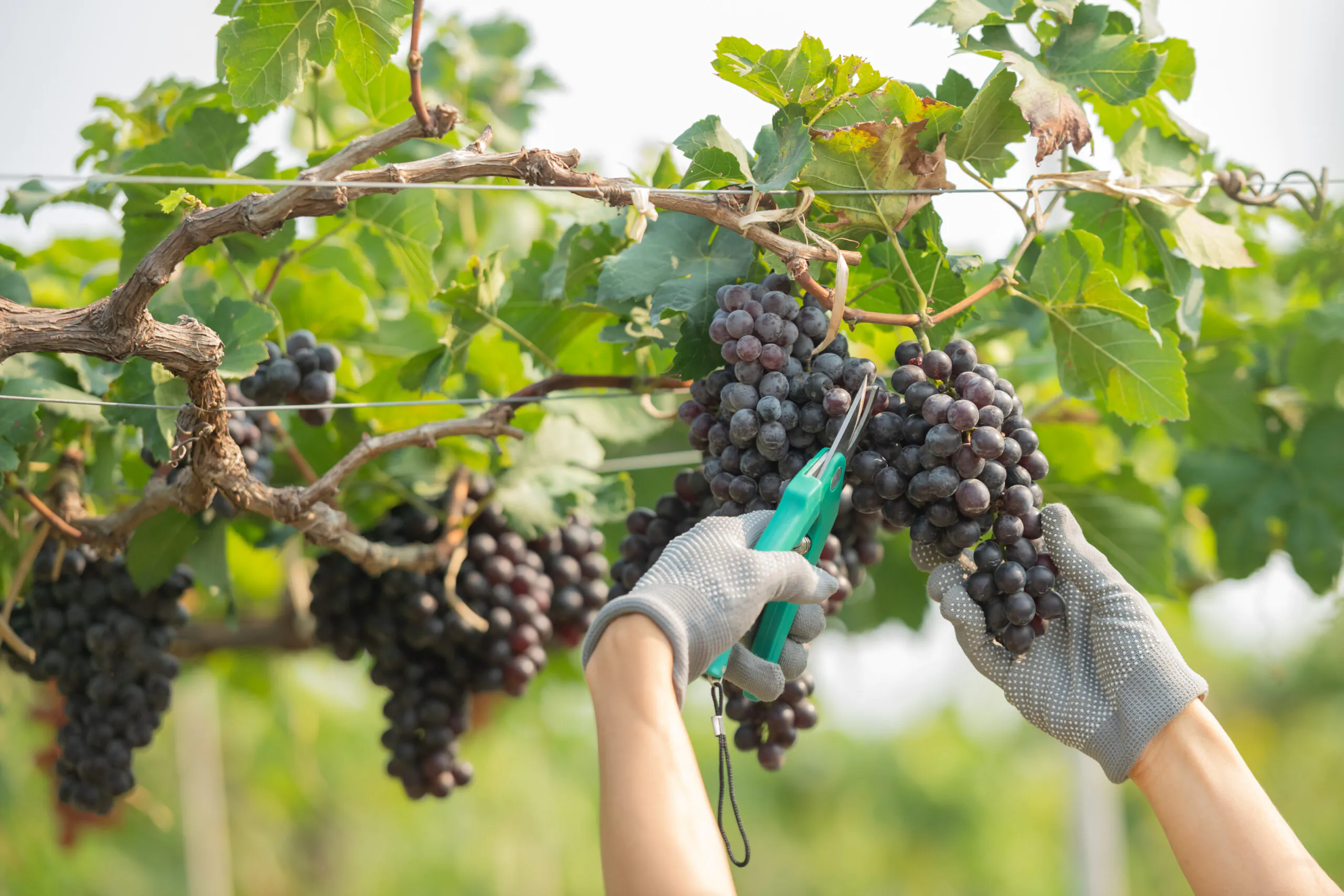
Autumn is particularly special. September and October bring Rtveli, the traditional grape harvest. At some wineries, visitors can take part in the harvest, taste freshly pressed grape juice, and experience the traditions surrounding the beginning of the new wine season.

Interesting fact: Georgia’s traditional qvevri winemaking method has been recognized by UNESCO as part of the country’s Intangible Cultural Heritage.

What to see: Sighnaghi, Bodbe, Telavi, vineyards, family wineries, historic estates, and major wine producers.

Practical tip: allow 2-3 days for Kakheti. One day can focus on Sighnaghi and Bodbe, another on wineries and Telavi, while an additional day can be reserved for a slower gastronomic experience.

8/
Sighnaghi

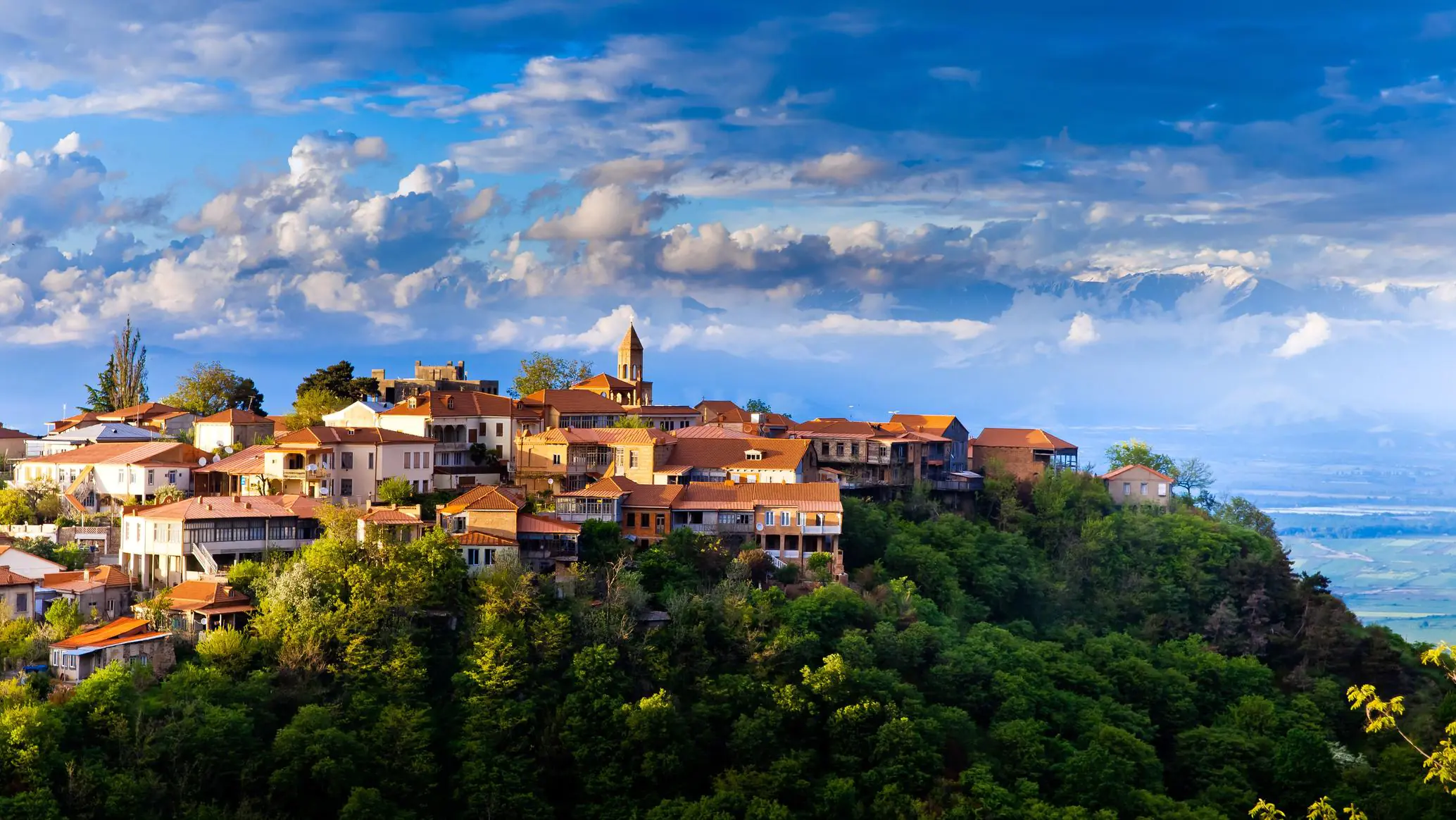
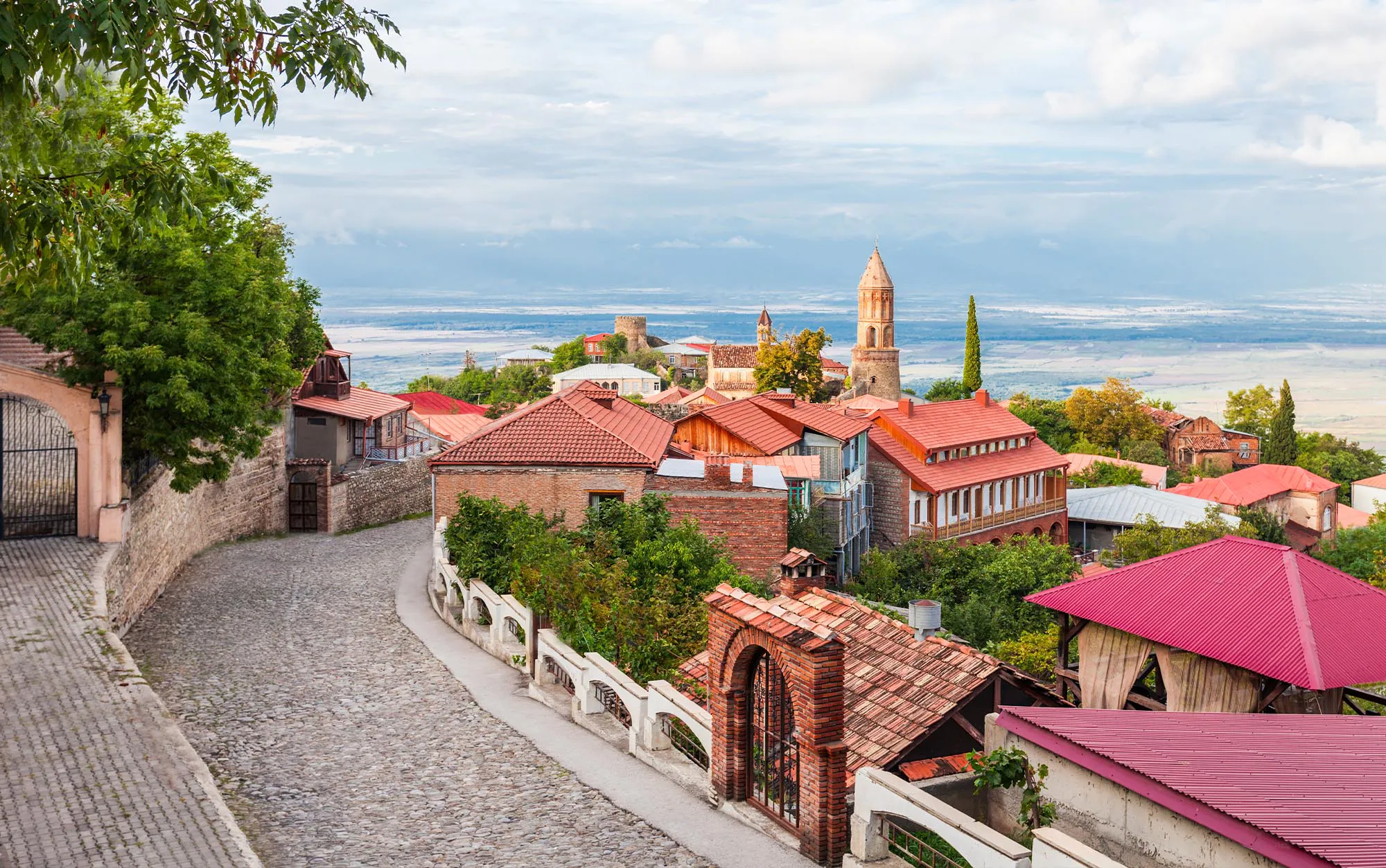
Sighnaghi is a small hilltop town overlooking the Alazani Valley. It is often called the “City of Love”, and while this is largely a tourism nickname, there is something genuinely romantic about its atmosphere.

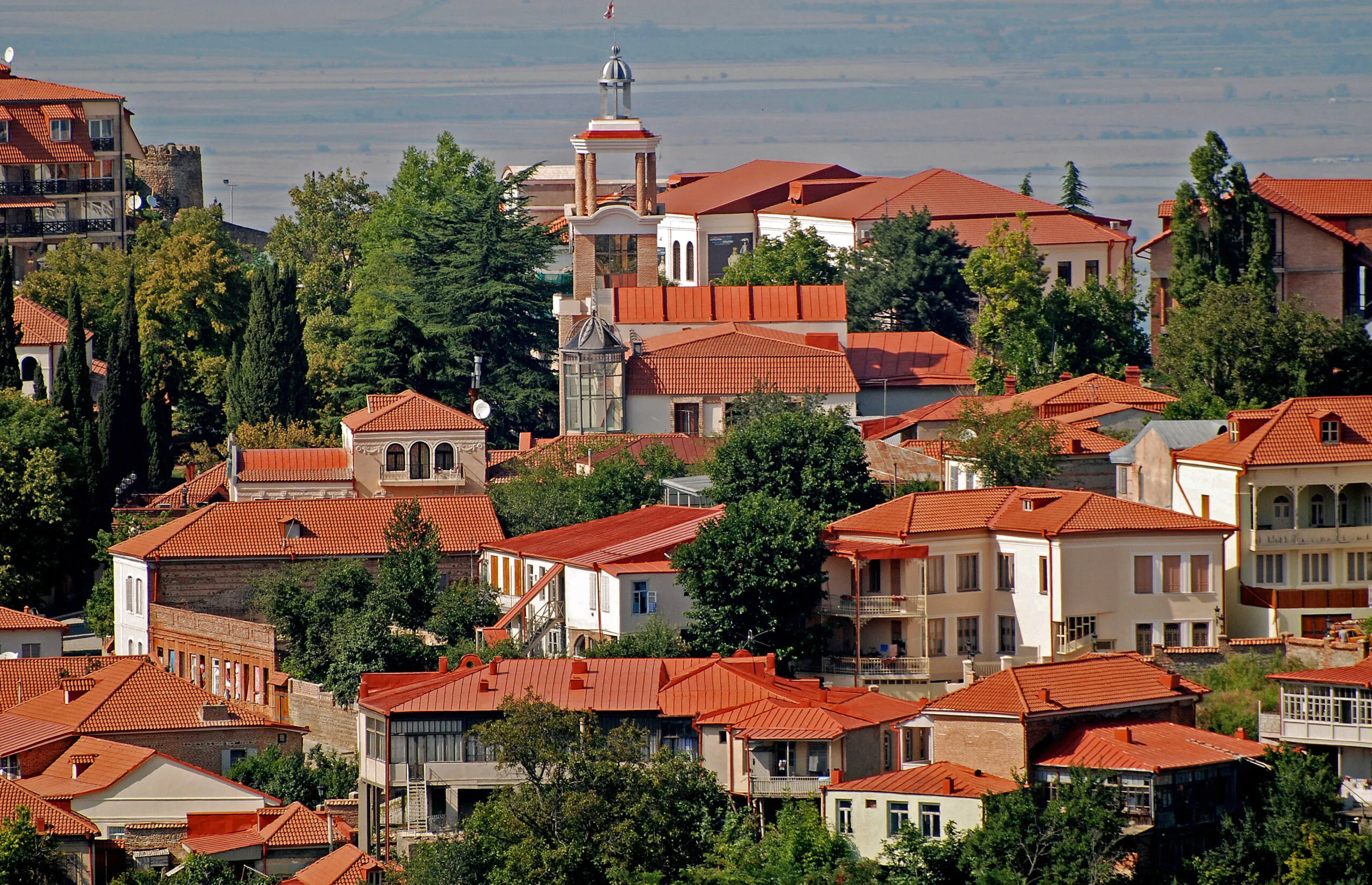
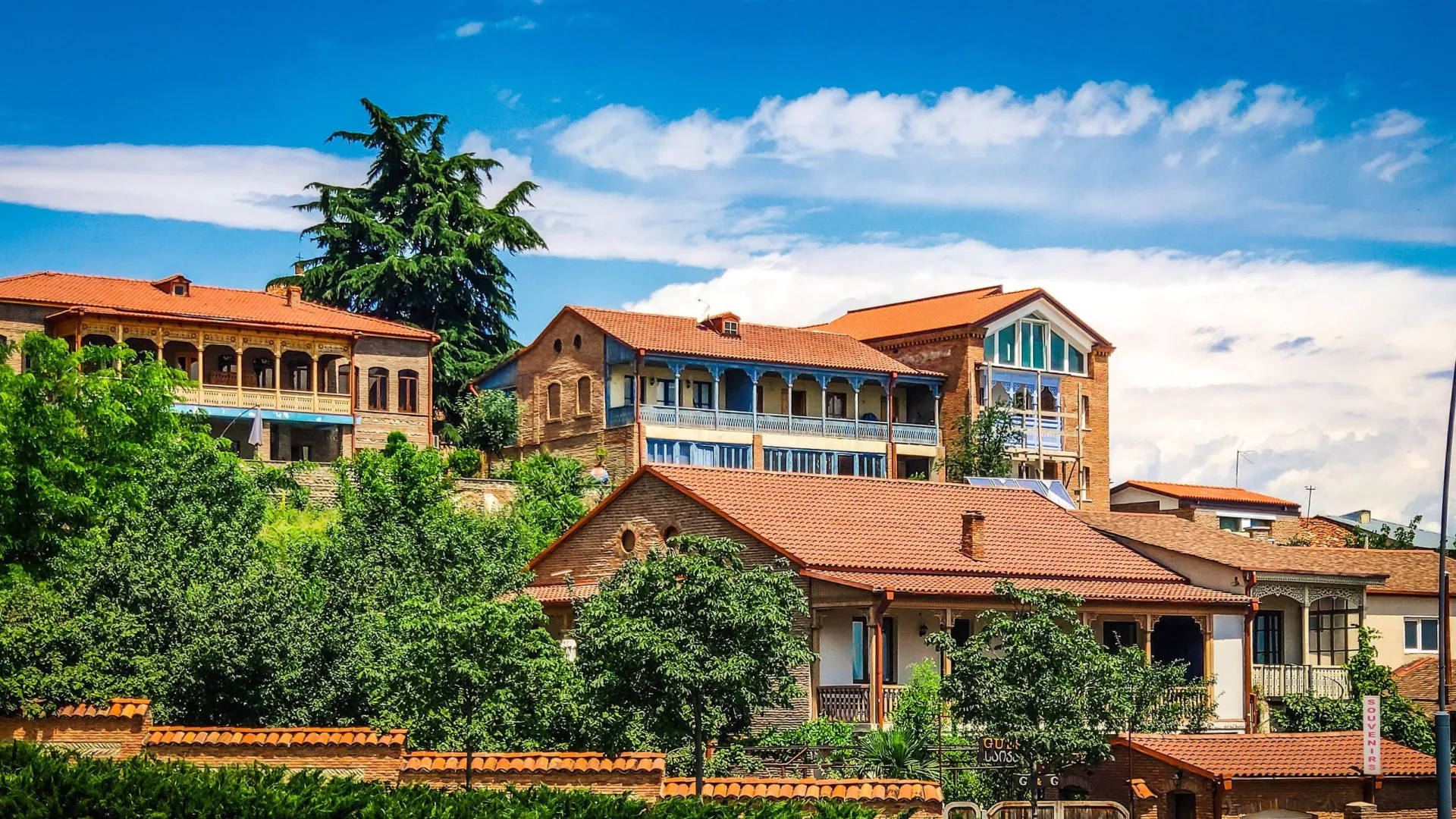
Sighnaghi is known for its historic streets, well-preserved city walls, traditional houses with wooden balconies, and panoramic views across the valley. It is a place to explore slowly rather than rush from one attraction to another.

Part of the old defensive wall is accessible for walking, offering views across the vineyards and toward the Greater Caucasus.

The nearby Bodbe Monastery makes Sighnaghi particularly easy to include in a day of exploring Kakheti.

Interesting fact: the town is surrounded by a historic defensive wall with dozens of towers, which once protected a large part of the surrounding region.

What to see: the old town, city walls, historic houses, local galleries, viewpoints, and Bodbe Monastery nearby.

Practical tip: visit in the morning or late afternoon. If your schedule allows, stay overnight. The town becomes much quieter and more atmospheric once the day-trip visitors have left.

9/
Bodbe

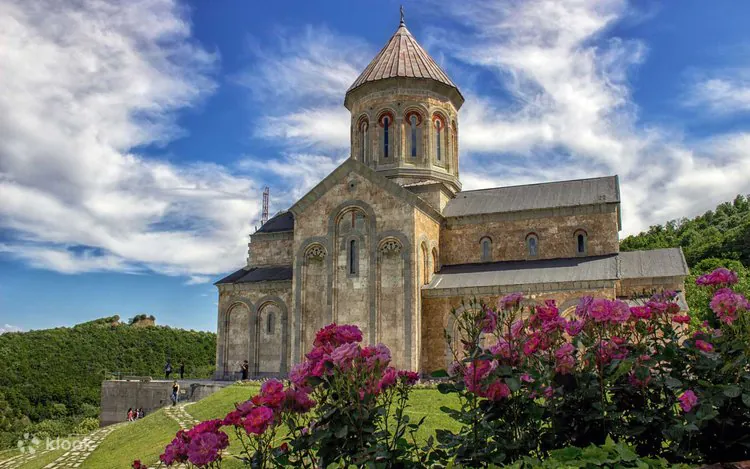
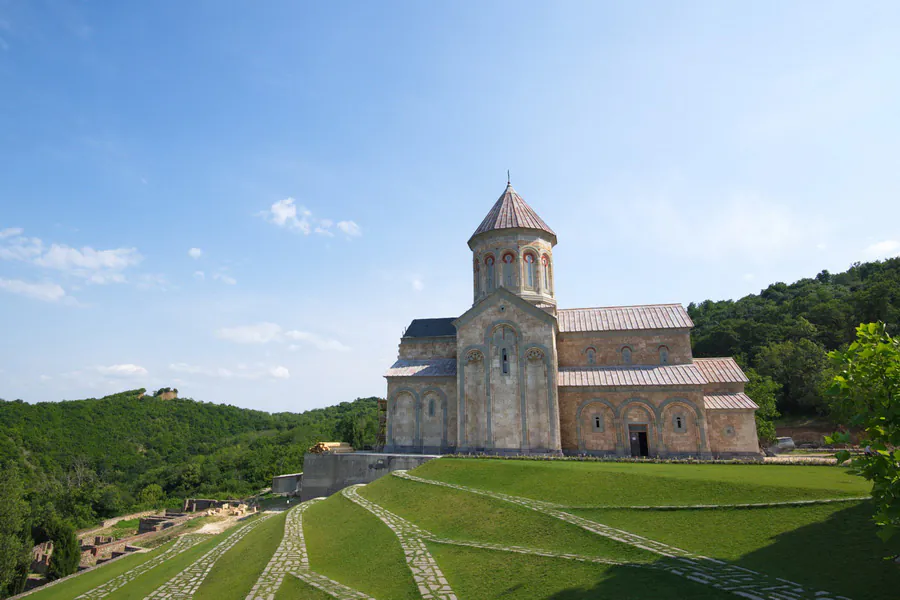
Bodbe Monastery is located just a few kilometers from Sighnaghi, but its atmosphere is completely different. If Sighnaghi is about walking, restaurants, and historic streets, Bodbe feels like a peaceful retreat surrounded by greenery.

The monastery complex is set within beautifully maintained grounds and gardens, with views stretching across the Alazani Valley.

Bodbe is particularly important in Georgian Orthodox tradition because of its connection to Saint Nino. According to tradition, she played a central role in the Christianization of Georgia and is buried here.

A spring associated with Saint Nino is located below the monastery. A long staircase leads down through the green hillside, making the walk part of the experience.

Interesting fact: Saint Nino is one of the most important figures in Georgian religious history and is traditionally credited with bringing Christianity to Georgia.

What to see: the monastery complex, gardens, panoramic views, Saint Nino’s spring, and the surrounding countryside.

Practical tip: combine Bodbe with Sighnaghi. Allow around an hour for the main monastery grounds, plus additional time if you want to walk down to the spring.

10/
Telavi

Telavi is the main city of Kakheti and a useful base for exploring the region. Compared with Sighnaghi, it feels more like a working Georgian town and offers a closer look at everyday life in eastern Georgia.

One of its best-known landmarks is the enormous old plane tree in the center of town. Nearby stands the palace of King Erekle II, an important figure in Georgian history.

The local market is worth visiting as well. It is a good place to see the seasonal produce of Kakheti, including fruit, cheese, spices, dried fruit, and other local products.

Telavi is also practical for wine travel, with many wineries located within easy driving distance.

Interesting fact: Telavi is considered one of the oldest towns in Kakheti, while its enormous plane tree has become one of the city’s best-known symbols.

What to see: the old plane tree, Erekle II’s palace, the city center, local market, and surrounding wineries.

Practical tip: if you are planning a multi-day wine trip, staying in Telavi can be more convenient than returning to Tbilisi every evening.

11/
David Gareja

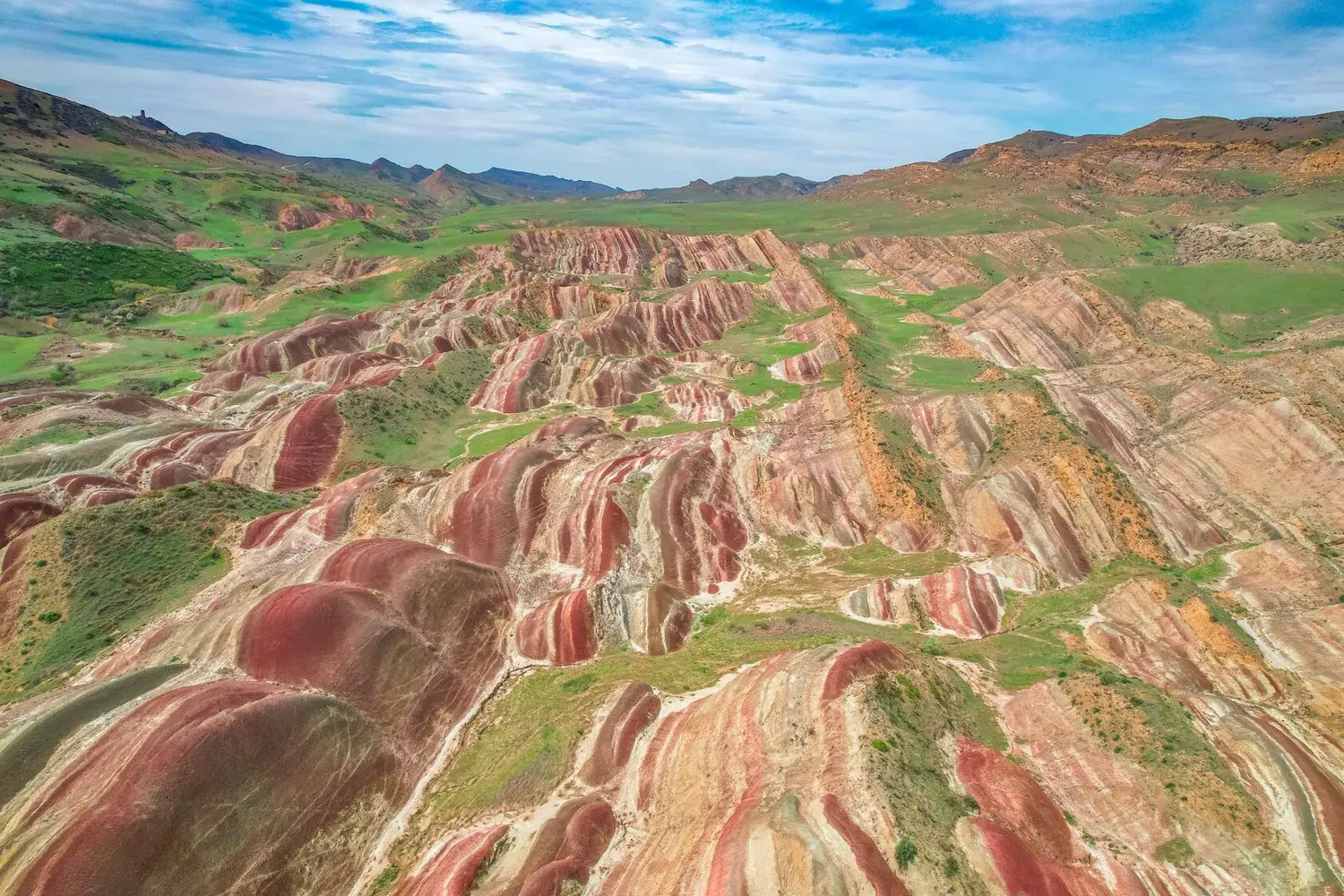
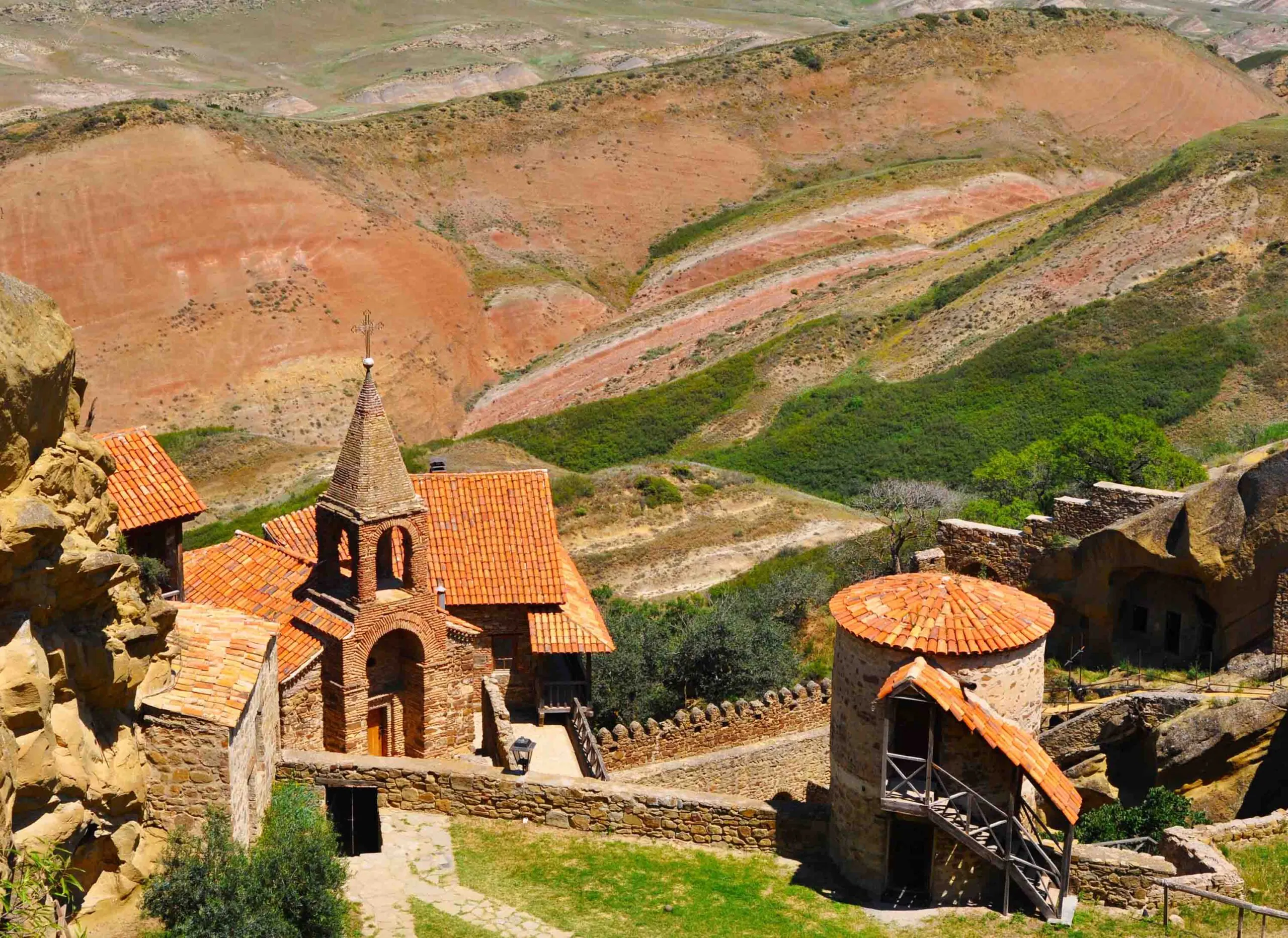
David Gareja is one of the most unusual historical destinations in Georgia. The monastery complex lies in a dry semi-desert landscape near the border with Azerbaijan, and its rock-hewn monasteries create a striking contrast with the greener landscapes of Kakheti.

The complex was founded in the 6th century by Saint David Garejeli, one of the so-called Thirteen Assyrian Fathers who came to Georgia to spread Christianity.

Cave cells, churches, and rock-cut spaces are scattered across the hills, with some chambers decorated with historic frescoes.

The landscape is particularly beautiful in spring, when the dry hills become green and covered with wildflowers. In summer, however, the area can become extremely hot and offers very little shade.

Interesting fact: David Gareja is not a single monastery but a large complex of cave monasteries spread across a considerable area, with a history spanning around 1,500 years.

What to see: the cave monasteries, historic churches, rock-cut chambers, surrounding hills, and semi-desert landscape.

Practical tip: visit early in the morning during summer. Bring plenty of water, a hat, and sun protection. Because this is a border region, check the current access conditions for specific parts of the complex before travelling.

12/
Gori

Gori is a central Georgian city best known as the birthplace of Joseph Stalin.

The Stalin Museum is the city’s most visited attraction, with exhibitions dedicated to his life and political career. Nearby is the house traditionally identified as his birthplace, as well as the railway carriage associated with him.

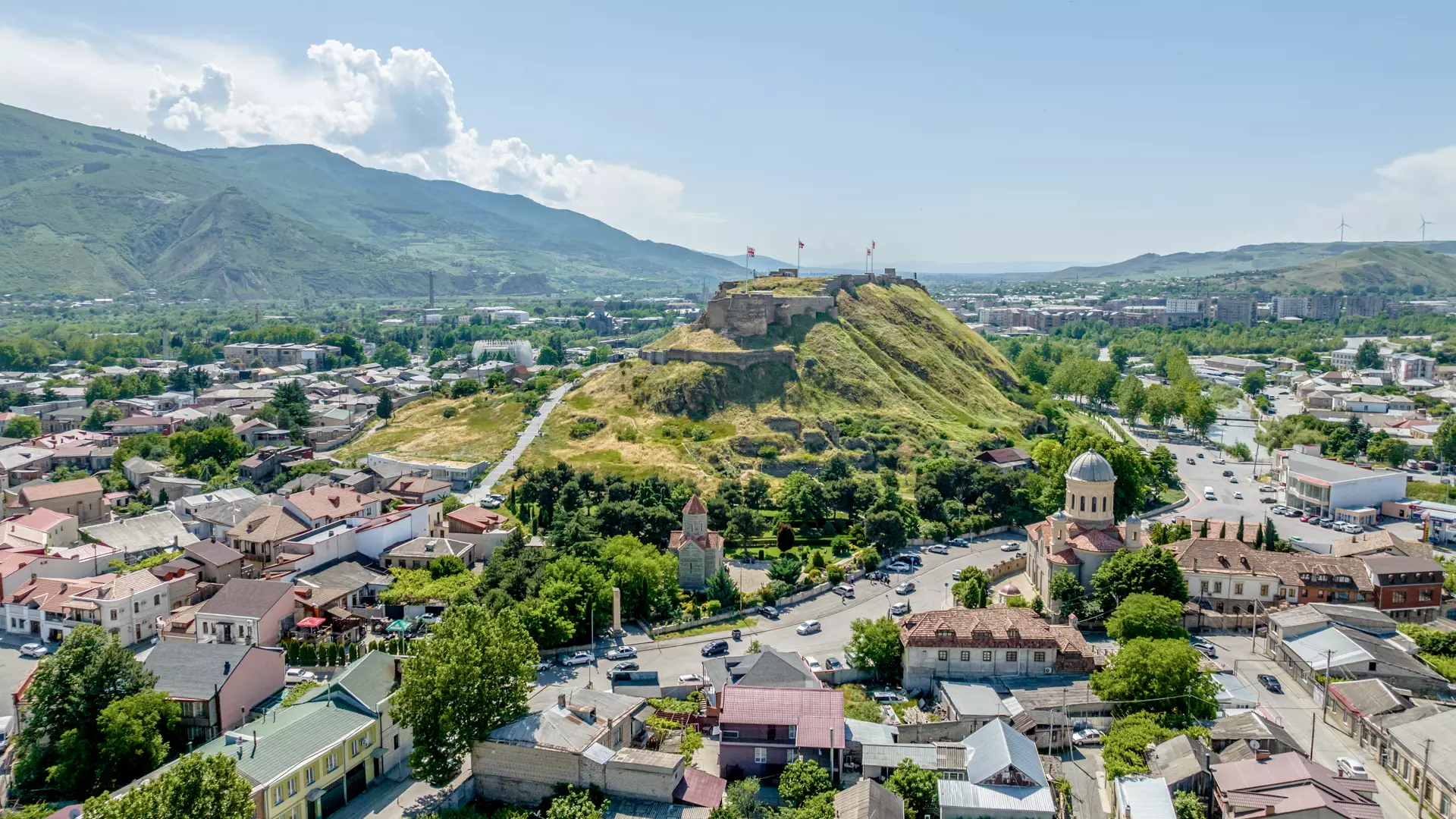
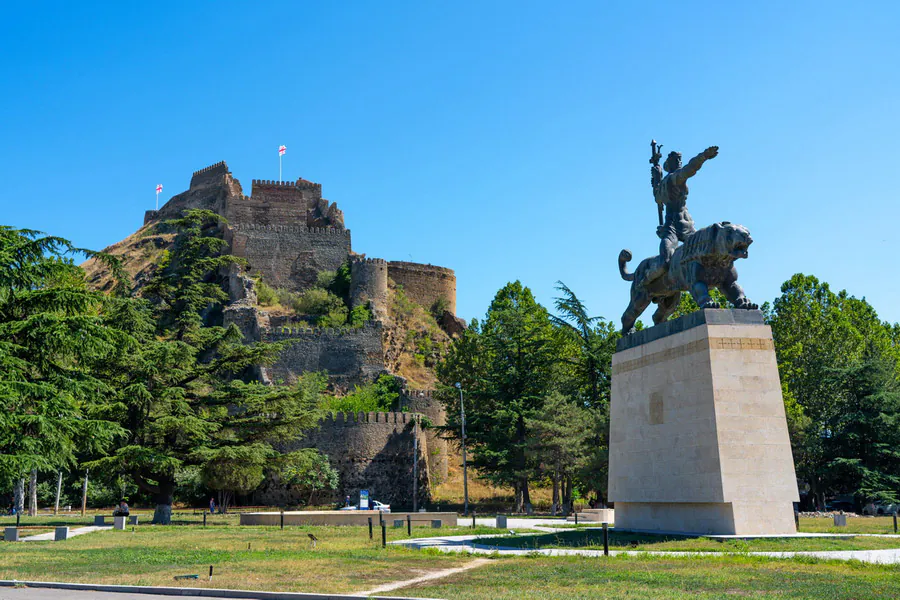
Above the city stands Gori Fortress, a medieval stronghold offering views across the surrounding valley.

The city’s history goes far beyond the 20th century, however. Visiting the fortress alongside the museum gives you an opportunity to explore two very different chapters of Georgian history within a single stop.

Interesting fact: Gori developed in a strategically important location along historic routes through central Georgia, which helped make the city significant for centuries.

What to see: Gori Fortress, the Stalin Museum, the historic center, and nearby Uplistsikhe.

Practical tip: Gori and Uplistsikhe are easy to combine into a single day trip from Tbilisi. If Soviet history is not of particular interest to you, you can simply visit the fortress and continue your journey.

13/
Uplistsikhe

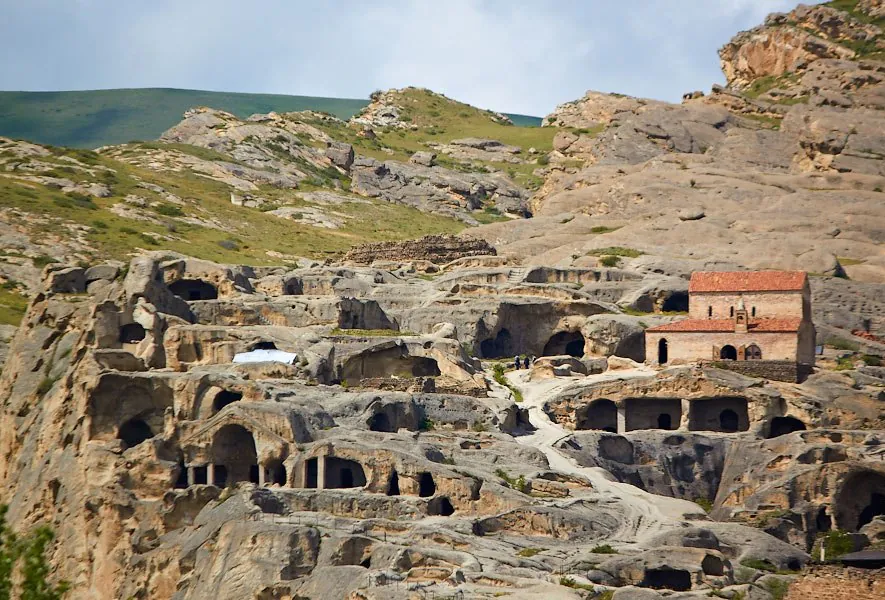
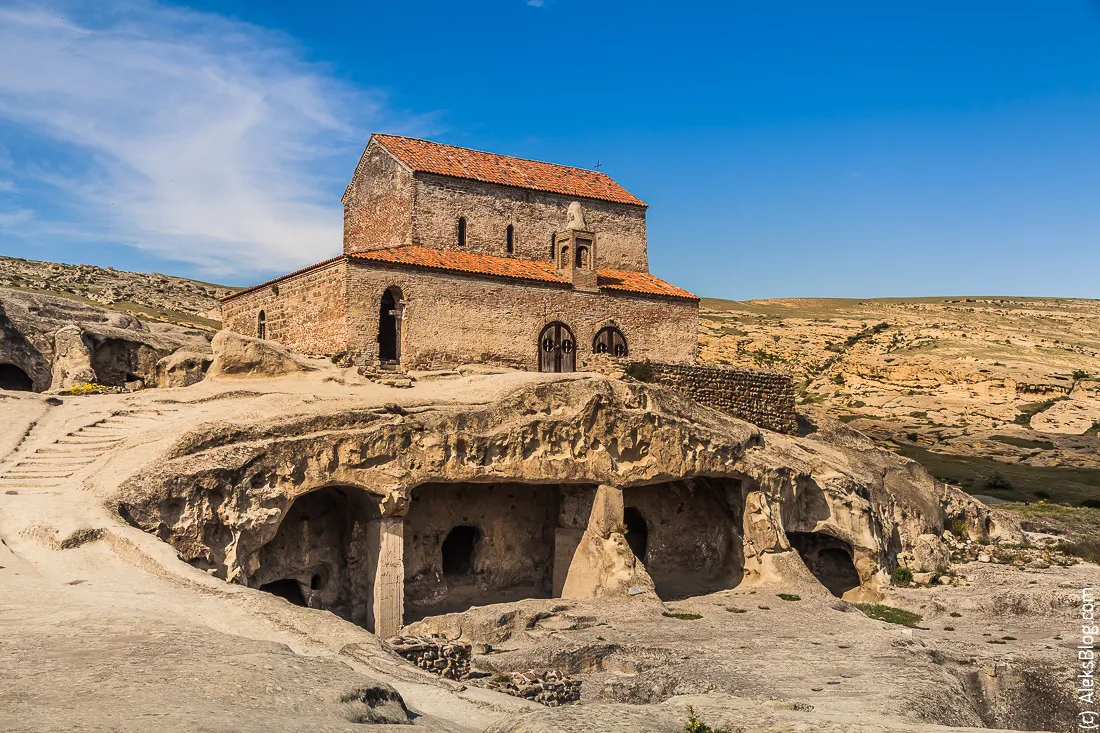
Uplistsikhe is an ancient rock-hewn city located on the banks of the Mtkvari River. What makes it especially fascinating is the opportunity to walk through an ancient settlement carved directly into the rock.

Archaeological evidence suggests that the site was already inhabited during the early Iron Age. Over the centuries, Uplistsikhe developed into an important political, religious, and trading center.

The surviving complex includes residential spaces, religious buildings, wine presses, storage areas, ancient streets, and tunnels.

One of the most memorable features is the tunnel leading down toward the river.

Interesting fact: Uplistsikhe was not simply a collection of caves. It functioned as a sophisticated settlement with its own infrastructure, religious buildings, production facilities, and public spaces.

What to see: the rock-hewn streets, ancient halls, wine presses, churches, tunnels, and views over the Mtkvari Valley.

Practical tip: visit in the morning or late afternoon, particularly during summer. Much of the site is exposed to the sun, so comfortable shoes, water, and sun protection are essential.

14/
Borjomi

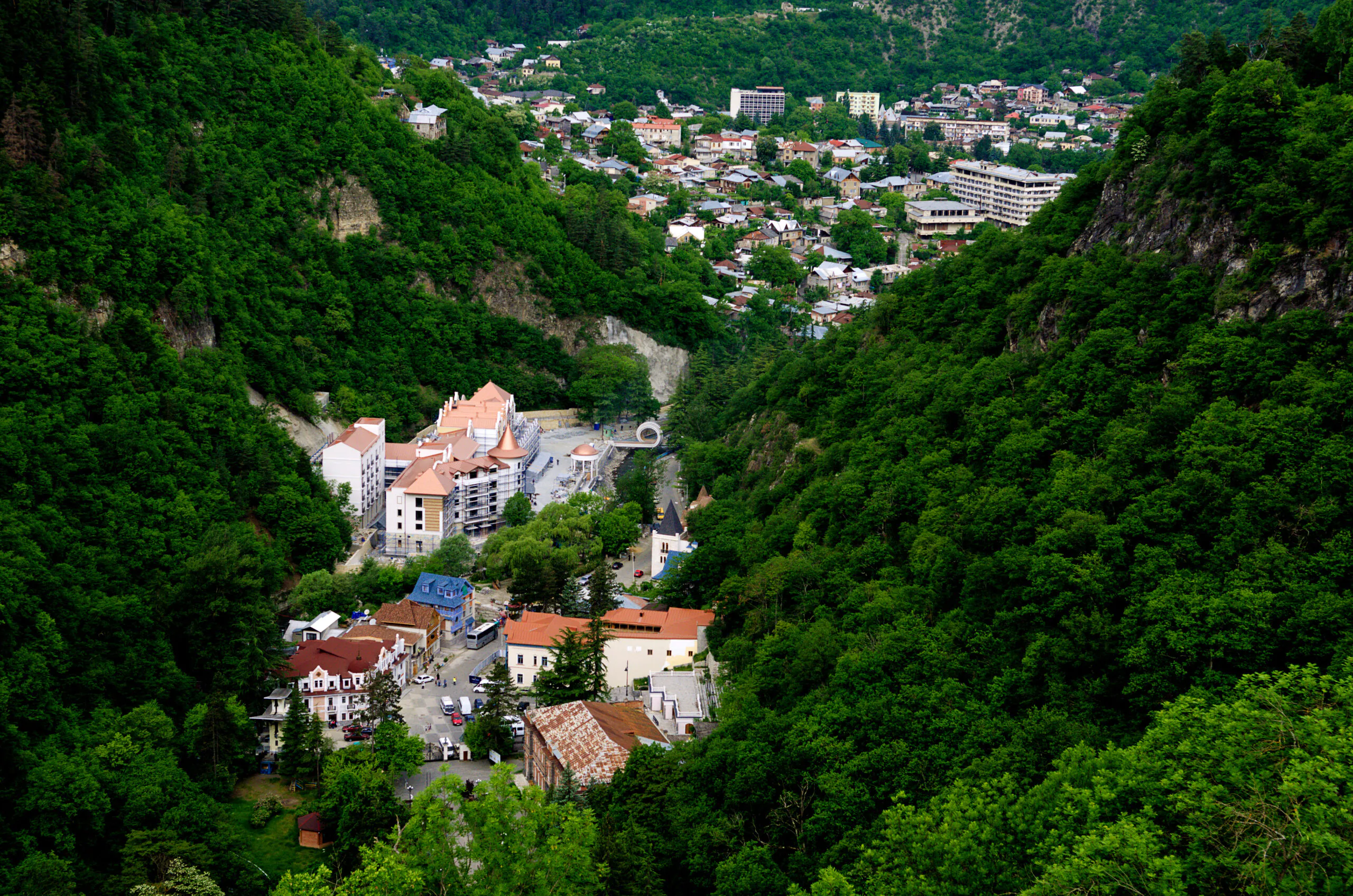
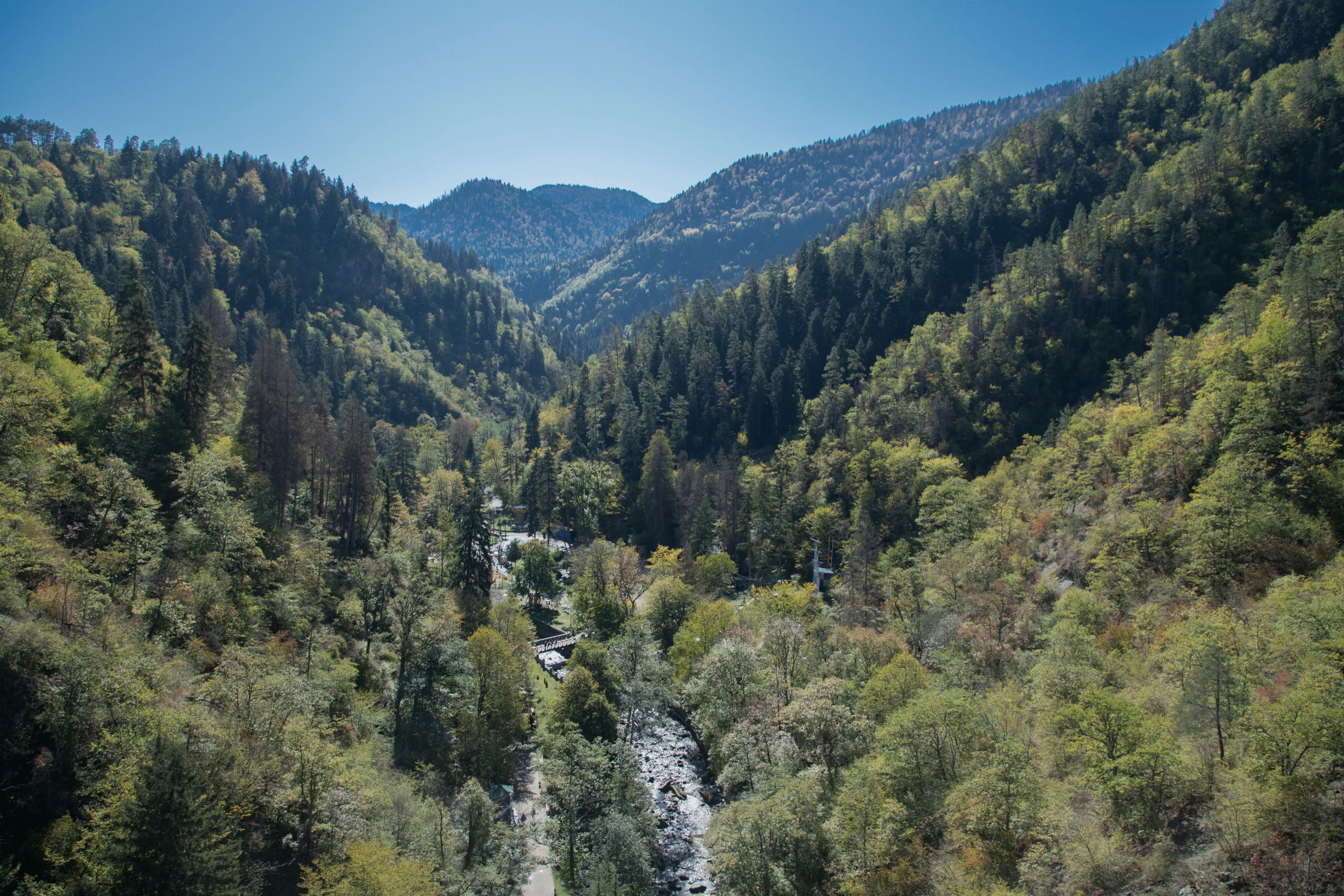
Borjomi is one of Georgia’s best-known spa towns. It lies in a narrow, forested valley surrounded by mountains and has long been associated with its famous mineral water.

The main attraction is Central Park, where visitors can taste the mineral water directly from the spring. From the park, walking trails lead into the surrounding landscape.

Borjomi is also a gateway to Borjomi-Kharagauli National Park, one of Europe’s largest protected areas, with numerous hiking routes through forests and mountain landscapes.

Nearby Likani is known for its historic palace built for Grand Duke Nicholas Mikhailovich in the late 19th century.

Borjomi also has an interesting railway heritage. The historic narrow-gauge railway connecting Borjomi with Bakuriani is a unique experience when operating according to the current seasonal schedule.

Interesting fact: Borjomi mineral water became internationally known as a spa product in the 19th century, when the town developed into a major resort destination.

What to see: Central Park, the mineral water spring, surrounding forests, Likani, and Borjomi-Kharagauli National Park.

Practical tip: a few hours are enough for the park and spring, but nature lovers should stay for at least one or two nights to enjoy the hiking routes and surrounding area.

15/
Vardzia

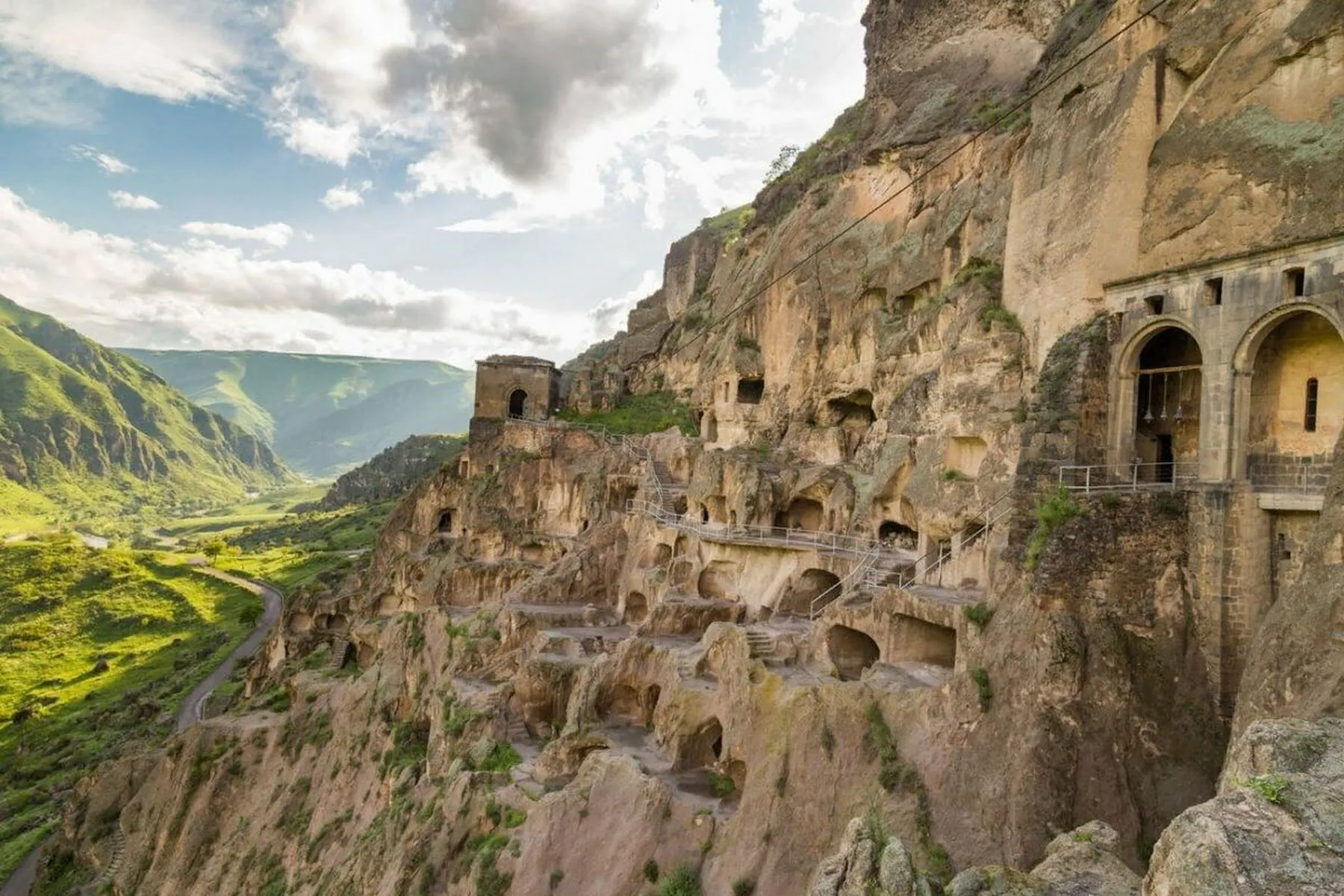
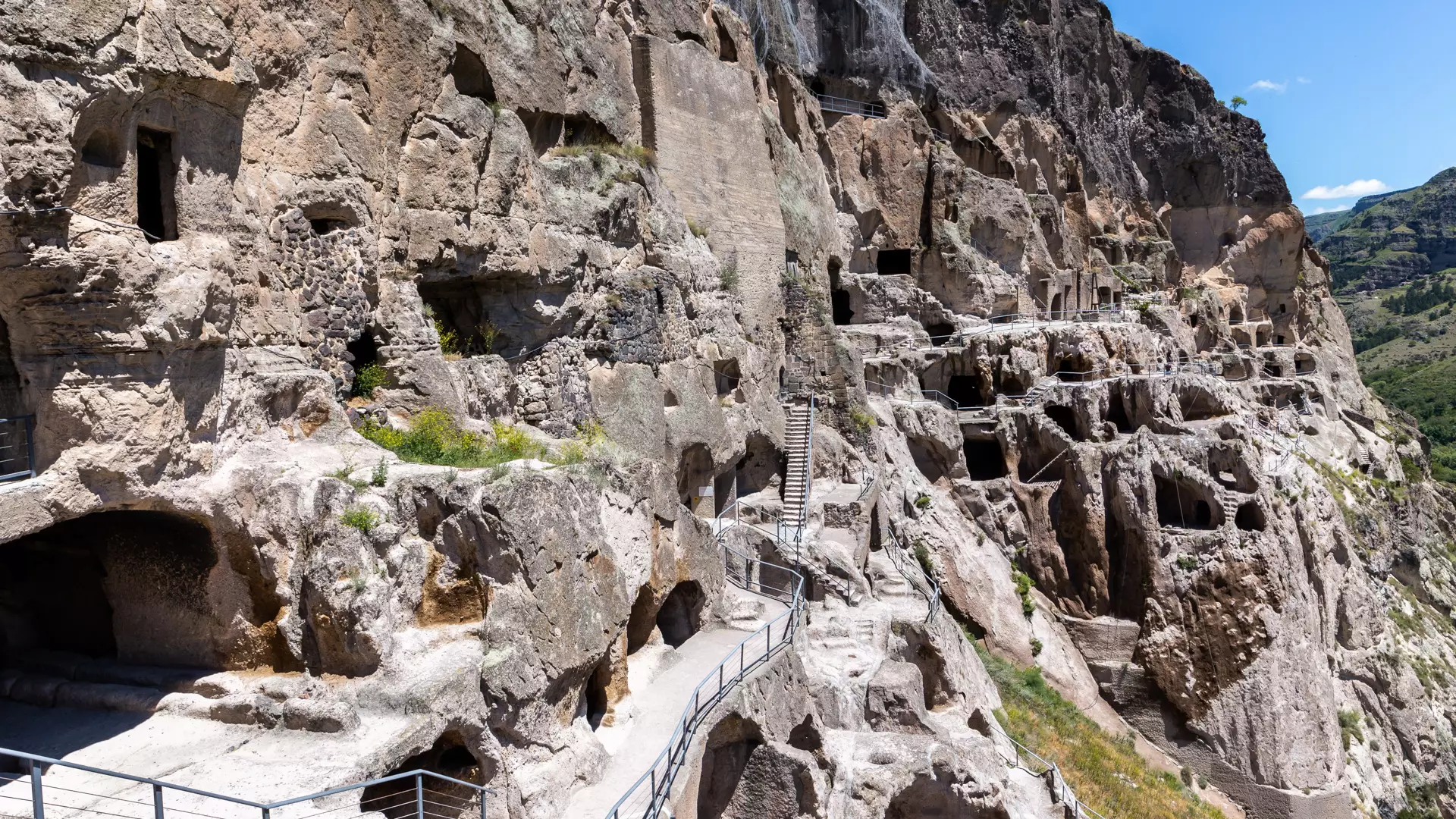
Vardzia is one of the most remarkable historical monuments in Georgia. This enormous cave complex was carved into a cliff above the Kura River and is closely associated with the reign of Queen Tamar and Georgia’s Golden Age in the 12th and 13th centuries.

At its peak, the complex contained hundreds of rooms connected by stairways, tunnels, and passages.

Today, only part of the original structure survives, but the remaining chambers still give an extraordinary sense of its scale.

At the heart of the complex stands the Church of the Dormition, with preserved medieval frescoes, including depictions of Queen Tamar and her father, King George III.

Interesting fact: Vardzia was far more than a monastery. It included living quarters, storage rooms, wine cellars, bakeries, and an extensive water supply system.

What to see: the cave complex, Church of the Dormition, medieval frescoes, tunnels, and panoramic views over the valley.

Practical tip: reaching Vardzia takes time, so it works best as part of a full Samtskhe-Javakheti itinerary. Combine it with Rabati Castle and Khertvisi Fortress if your schedule allows.

16/
Kutaisi

Kutaisi is one of Georgia’s oldest cities and the capital of the Imereti region. Compared with Tbilisi, it has a much slower and more relaxed atmosphere.

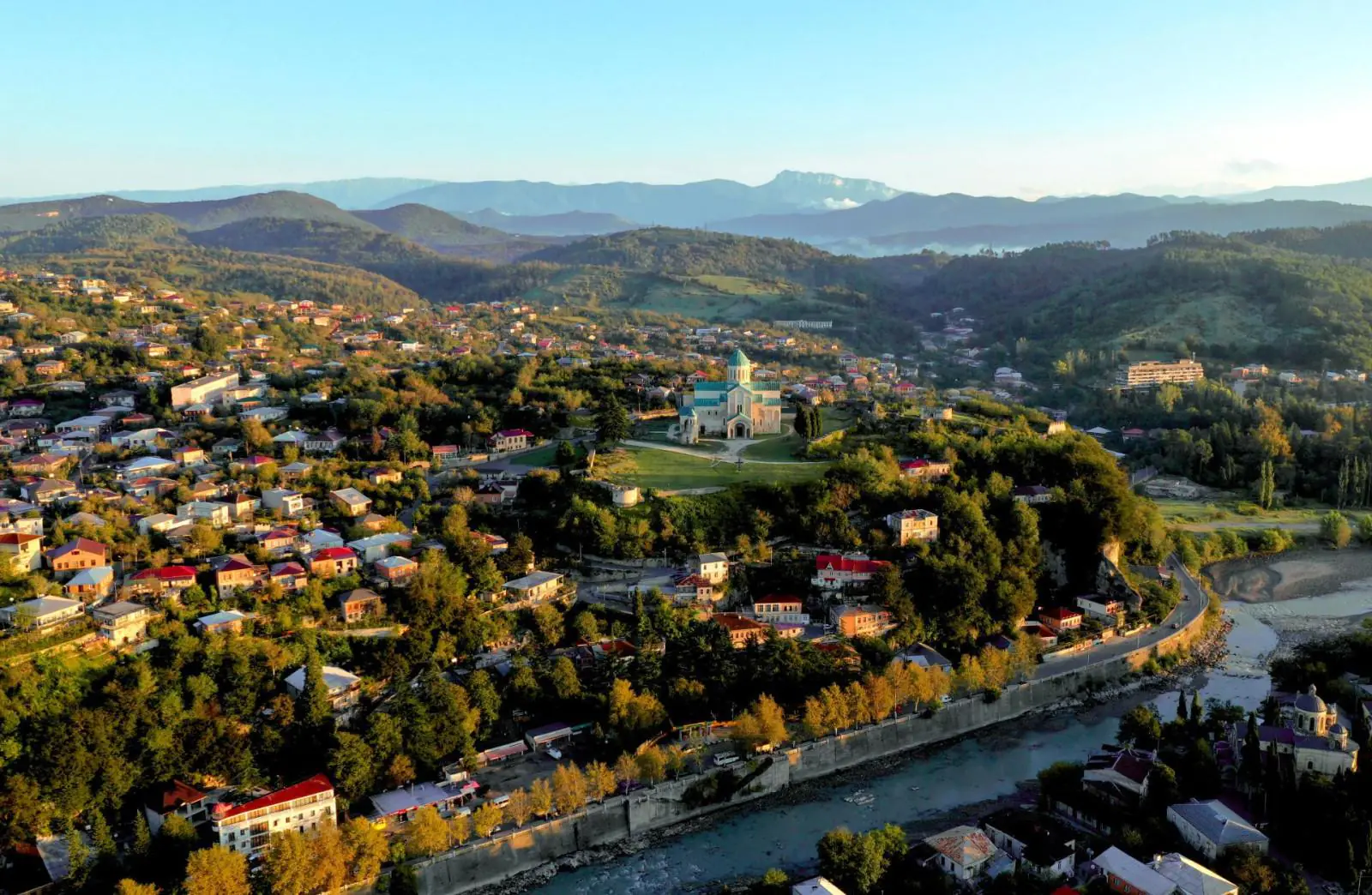
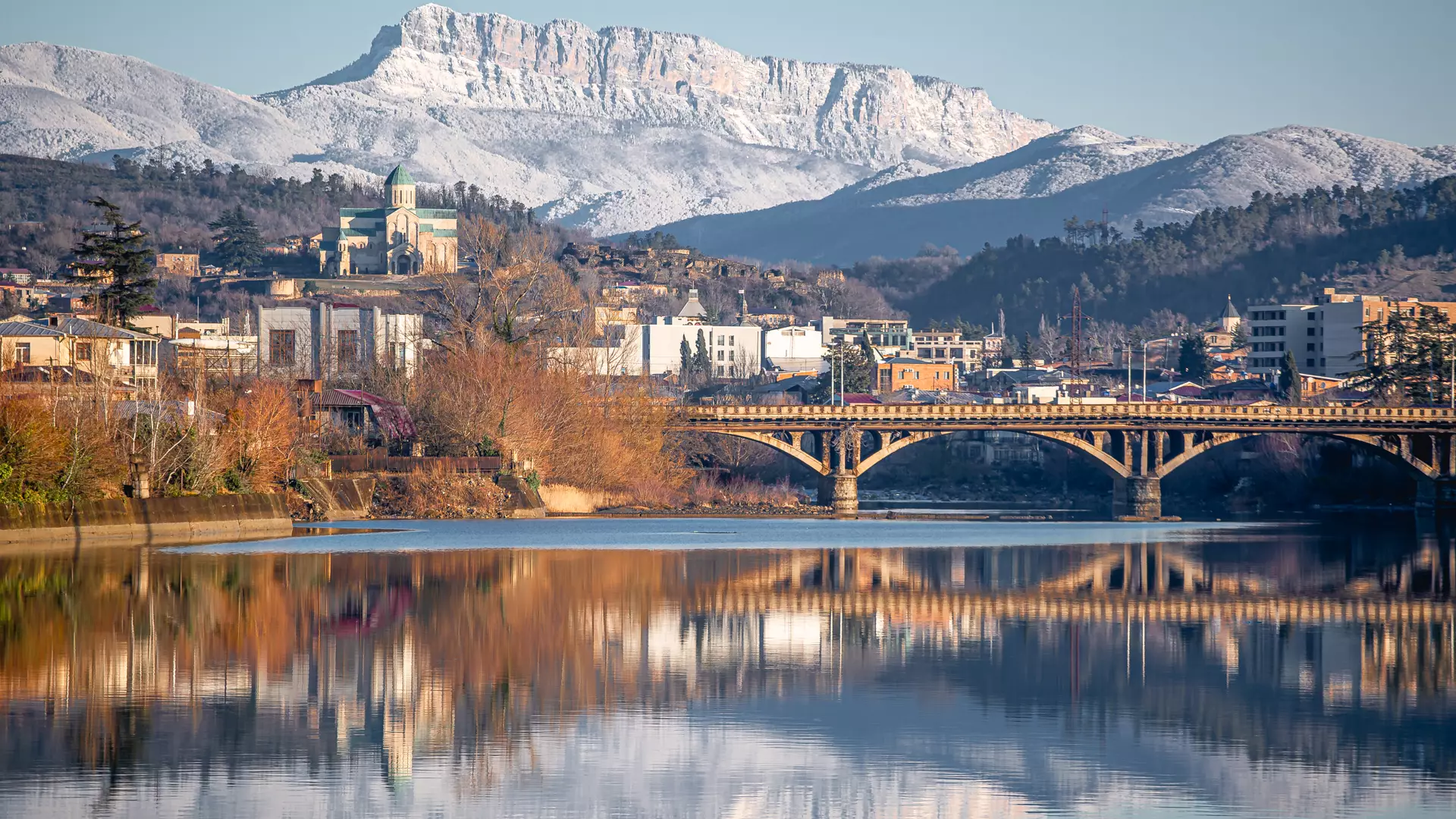
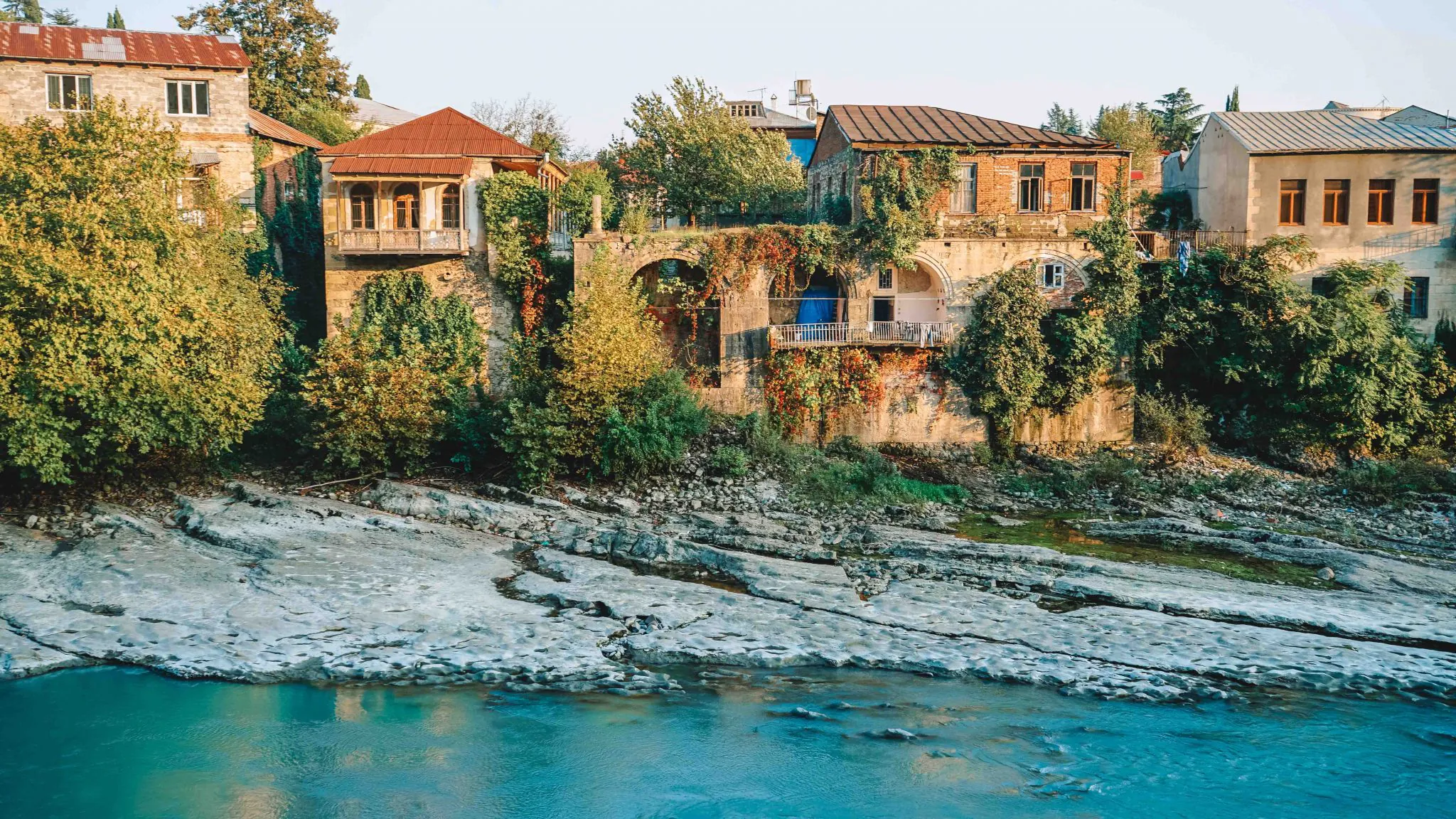
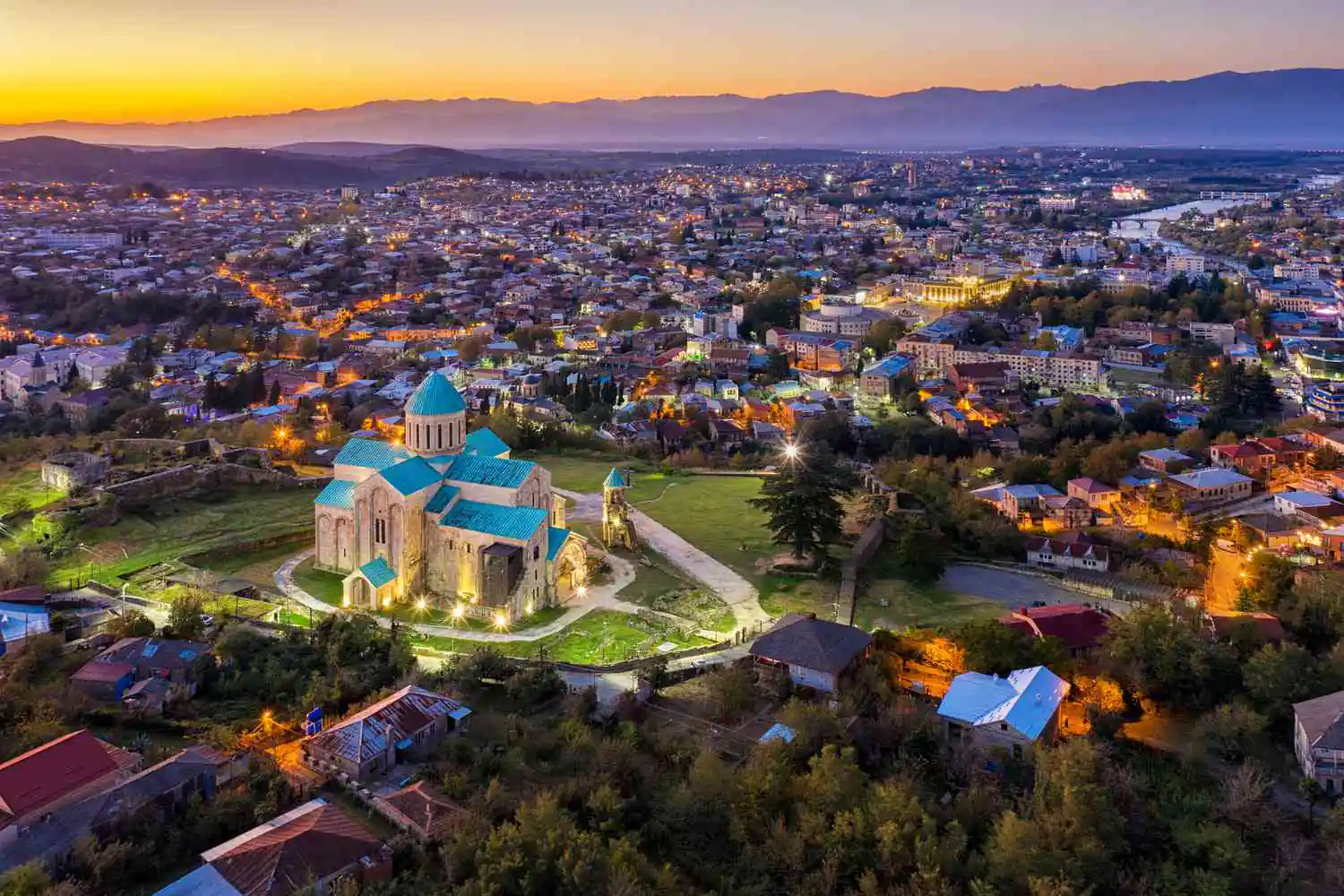
Bagrati Cathedral sits on a hill above the city and is one of its most recognizable landmarks. In the center, you can walk along the Rioni River, cross the White Bridge, and explore the historic streets.

However, Kutaisi’s greatest advantage is its location. Some of western Georgia’s most spectacular natural attractions are within a few hours’ drive, including Martvili Canyon, Okatse Canyon, Prometheus Cave, and several waterfalls.

Kutaisi is also connected with the ancient kingdom of Colchis and the legend of the Argonauts. In Greek mythology, Colchis was the land where Jason and the Argonauts travelled in search of the Golden Fleece.

Interesting fact: Kutaisi served as the capital of the medieval Georgian Kingdom during periods when the political center of the country shifted westward.

What to see: Bagrati Cathedral, the old town, Rioni River, White Bridge, and the surrounding natural attractions.

Practical tip: stay for 2-3 nights if you want to explore the region properly. Using Kutaisi as a base means you can visit several attractions without changing hotels every day.

17/
Martvili Canyon

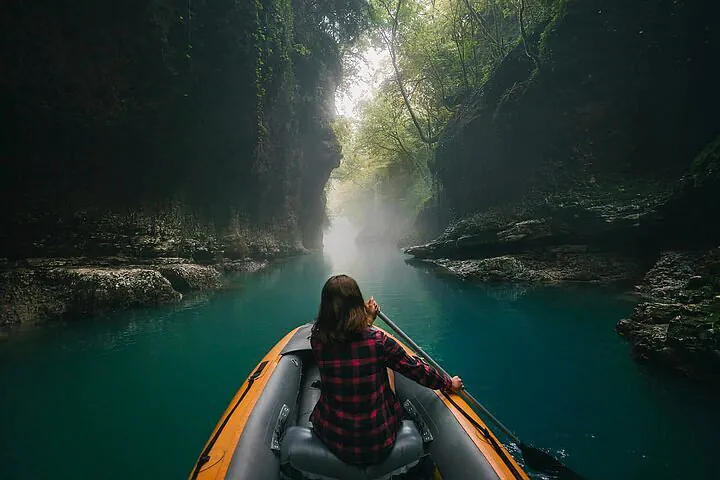
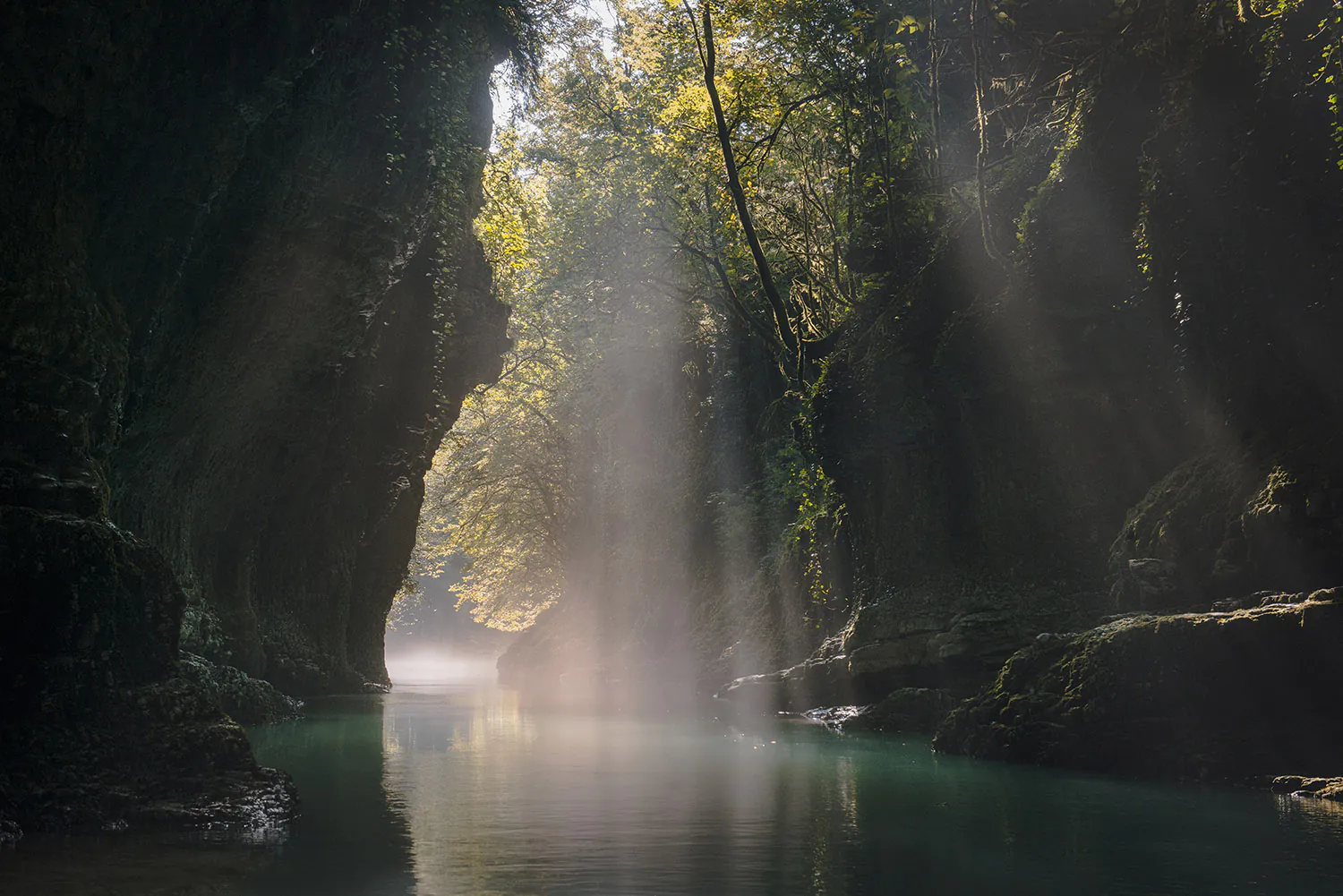
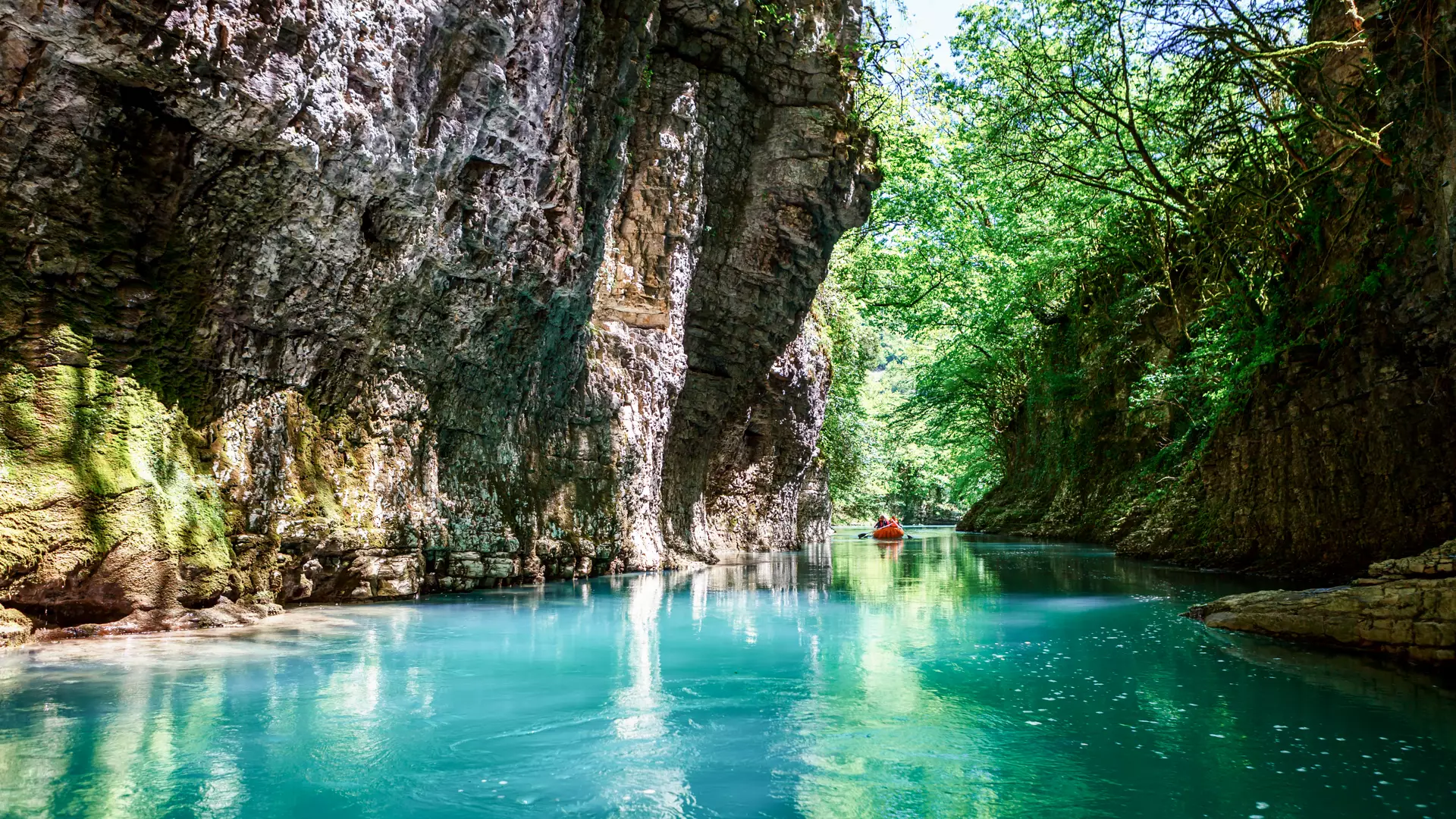
Martvili Canyon is one of the most photogenic natural attractions in western Georgia. The river flows between dramatic limestone walls, while the water often takes on an intense green-blue color.

The visitor route includes viewpoints, bridges, forested paths, and, depending on weather and operating conditions, boat rides through part of the canyon.

The Samegrelo region has a humid climate, which creates particularly lush vegetation. After rain, the landscape becomes even greener, although water levels can affect access to certain activities.

Interesting fact: the area is connected with the Dadiani princely family, one of the most influential noble families in western Georgia.

What to see: the canyon, viewpoints, river, waterfalls, and surrounding forests.

Practical tip: combine Martvili with Okatse Canyon and Kinchkha Waterfall. Allow a full day for the route rather than trying to squeeze several natural attractions into just a few hours.

18/
Okatse Canyon

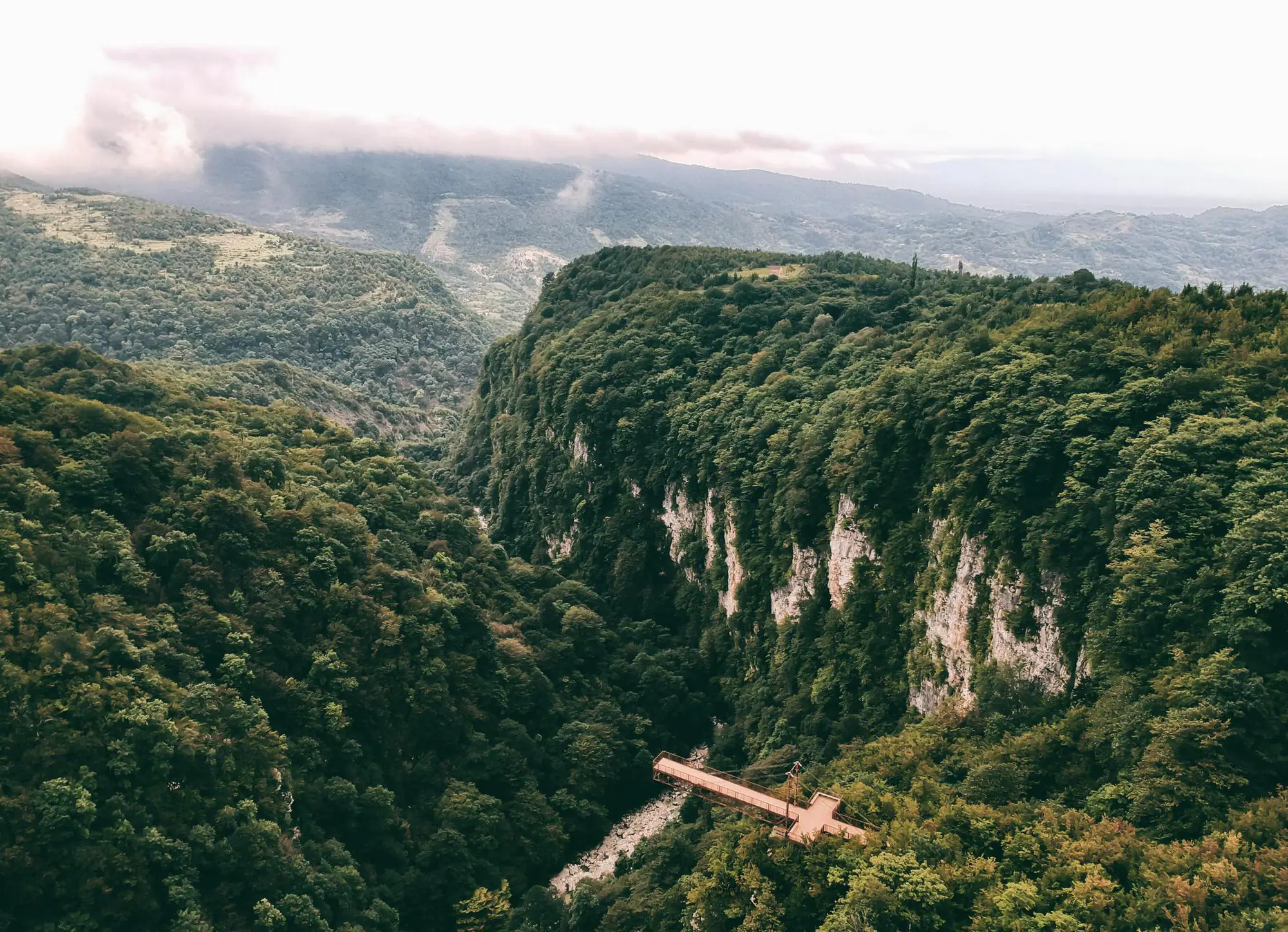
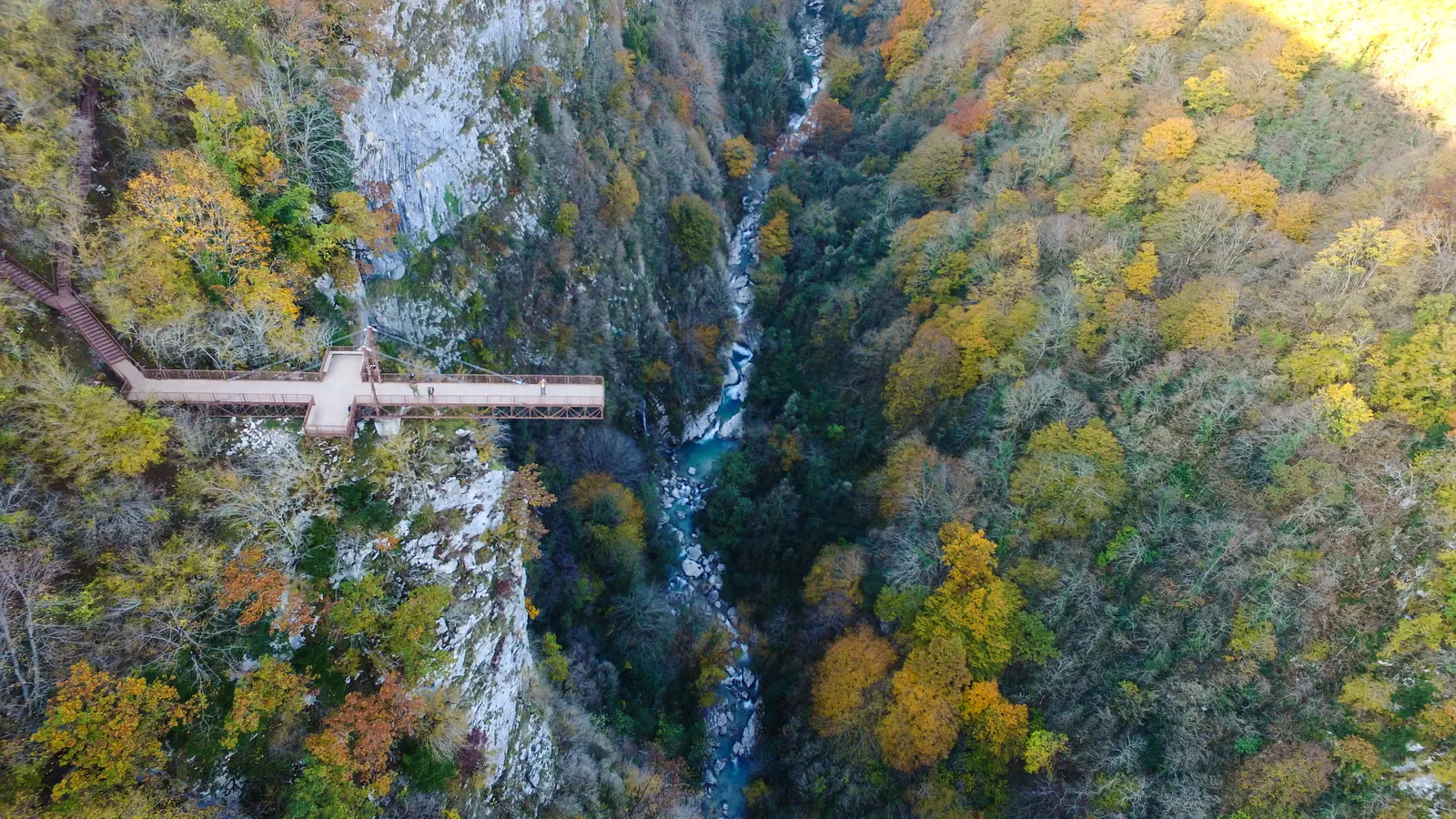
Okatse Canyon offers a completely different experience from Martvili. Its main attraction is a suspended pedestrian walkway built along the edge of the canyon.

The route allows visitors to walk above the gorge and look down into the forest-covered depths. At several points, the height is particularly noticeable, making this an exciting experience for those comfortable with heights.

The route ends at a panoramic viewpoint overlooking the surrounding landscape.

Interesting fact: the suspended walkway stretches for hundreds of meters above the canyon floor, making the walk feel more like an adventure than a conventional sightseeing route.

What to see: the suspended walkway, canyon viewpoints, surrounding forest, and panoramic landscapes.

Practical tip: comfortable shoes are essential. If you plan to visit both Martvili and Okatse on the same day, start early and allow plenty of time for driving between the sites.

19/
Prometheus Cave

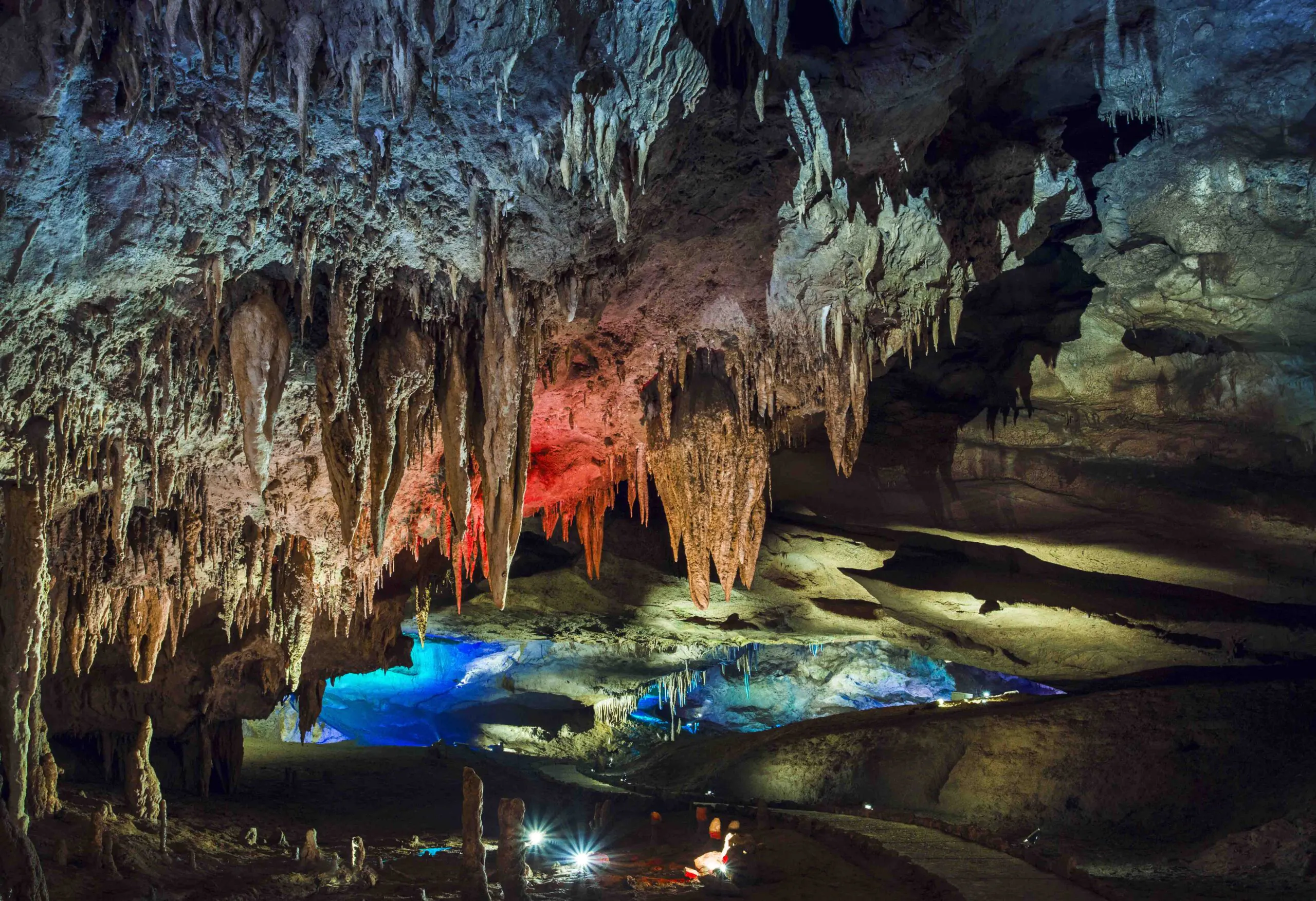
Prometheus Cave, located near Kutaisi, is one of Georgia’s most impressive caves open to visitors.

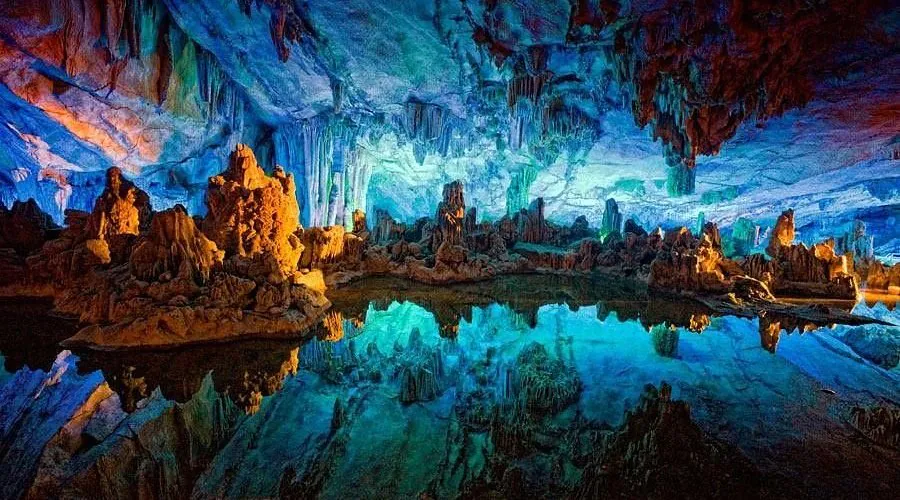
Inside are vast underground chambers, stalactites, stalagmites, underground streams, and other limestone formations. The visitor route passes through several large halls, each with its own shapes and atmosphere.

The temperature underground is considerably cooler than outside, making the cave particularly pleasant during the summer months.

Interesting fact: the cave developed in limestone over millions of years, while the visitor route represents only part of the much larger underground system.

What to see: the underground chambers, limestone formations, underground waterways, and illuminated passages.

Practical tip: bring a light jacket and wear comfortable shoes. Prometheus Cave can easily be combined with Kutaisi, Martvili, or Okatse, but allow enough time rather than trying to rush through all three.

20/
Racha

Racha is a destination for travelers who want to experience a quieter and less developed side of Georgia. It does not have the same concentration of famous attractions as Kakheti or Imereti, and that is precisely what makes it special.

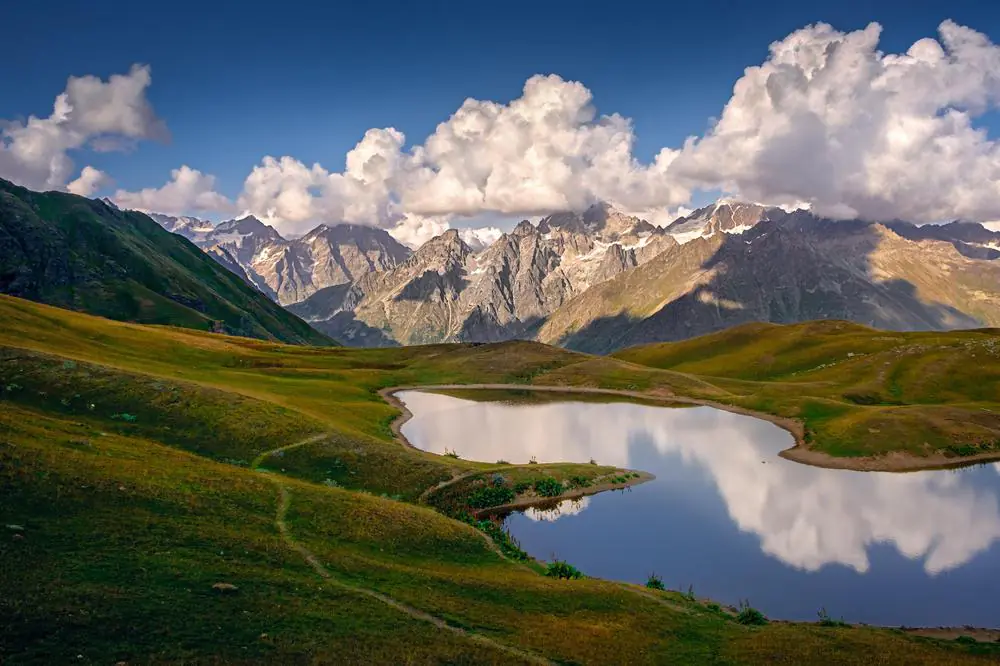
Forested mountains, small villages, open valleys, and Lake Shaori create a peaceful landscape where the journey itself becomes part of the experience.

Racha is also famous for Khvanchkara, one of Georgia’s best-known wines. The region has its own distinctive culinary traditions as well, including Rachuli lobiani, a bean-filled bread traditionally prepared with bacon.

Interesting fact: Khvanchkara is made from the local Aleksandrouli and Mujuretuli grape varieties, traditionally grown in the area around the village of Khvanchkara.

What to see: Lake Shaori, mountain villages, local wineries, scenic roads, and regional restaurants.

Practical tip: do not plan Racha as a rushed day trip. Stay for at least one or two nights and leave time for scenic stops along the road.

21/
Svaneti

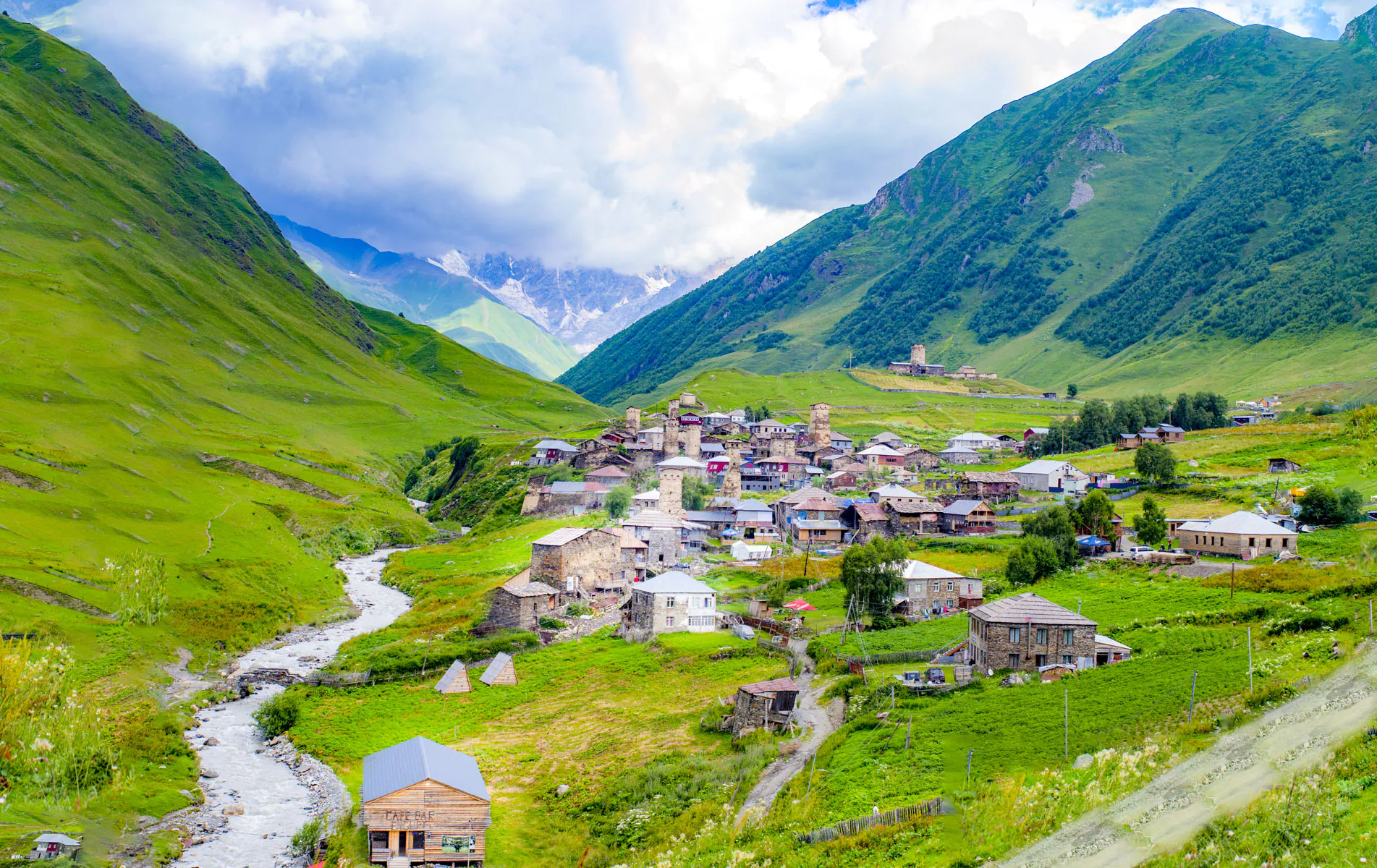
Svaneti is one of the most distinctive regions in Georgia. The high Caucasus mountains surround small settlements filled with stone houses and medieval defensive towers.

Mestia is the main base for exploring the region. It has hotels, restaurants, museums, and infrastructure for travelers, while also serving as a starting point for hikes to glaciers, lakes, and mountain viewpoints.

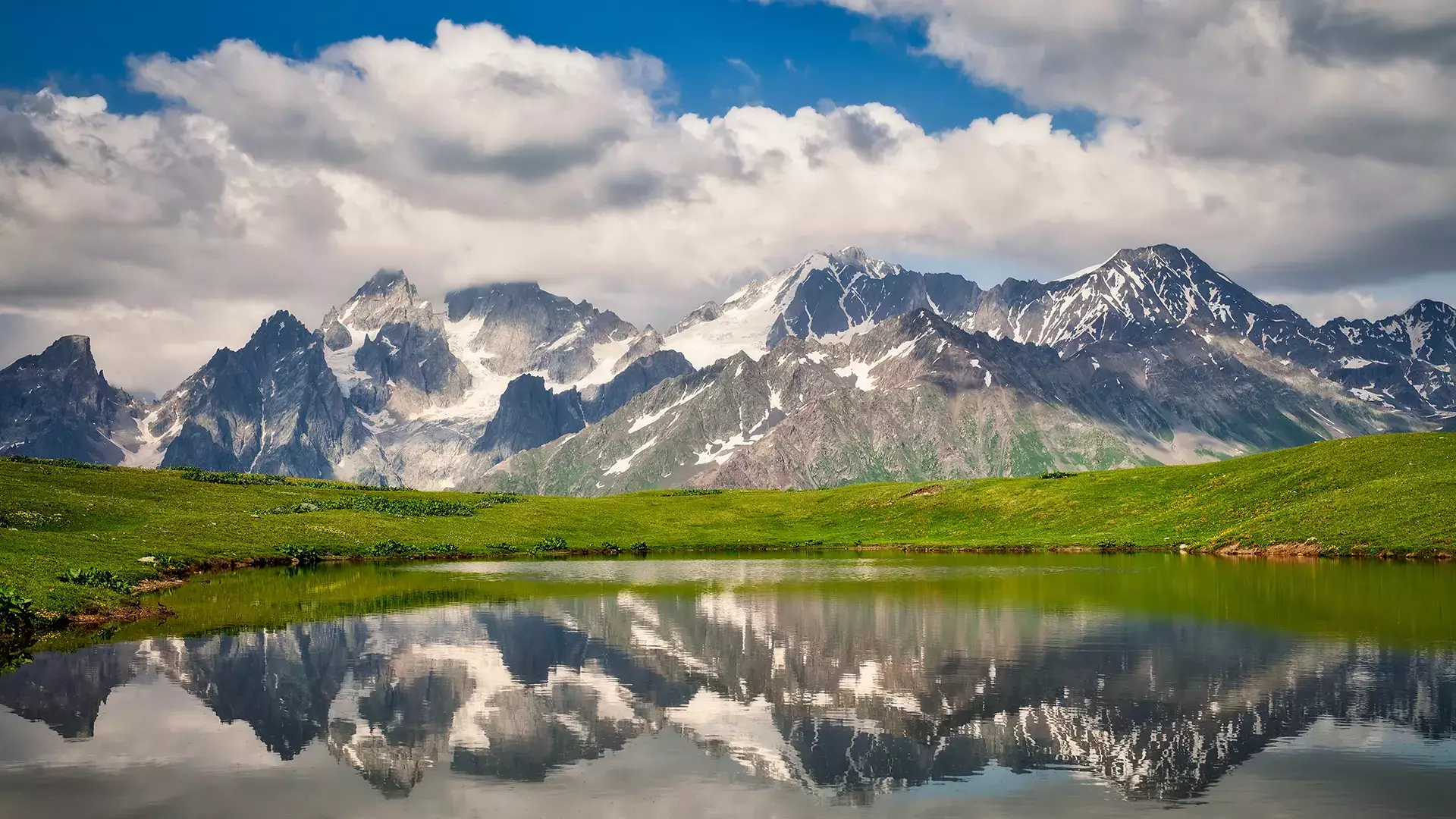
Mount Ushba is another iconic feature of Svaneti. Its distinctive double summit has made it one of the most recognizable peaks in the Caucasus.

Svan cuisine is part of the experience as well. Kubdari, a meat-filled bread, and Svan salt are two of the region’s best-known specialties.

Interesting fact: traditional Svan towers served defensive and family purposes and have survived for centuries, becoming one of the defining symbols of the region.

What to see: Mestia, Svan towers, Ushba views, local museums, mountain trails, glaciers, and traditional villages.

Practical tip: allow at least 3-4 days for Svaneti. For destinations outside Mestia, a local driver or guide is often the most practical option. Mountain weather can change quickly, so keep your itinerary flexible.

22/
Ushguli

Ushguli is a group of small villages in Upper Svaneti, located at around 2,100 meters above sea level. Traditional stone houses and medieval towers stand against a dramatic backdrop of the Caucasus.

From Ushguli, one of the most impressive peaks visible is Mount Shkhara, which rises to 5,193 meters. On a clear day, its snow-covered slopes dominate the landscape.

The appeal of Ushguli lies less in individual attractions and more in the combination of traditional architecture, mountain scenery, and the sense of remoteness.

Interesting fact: Upper Svaneti is a UNESCO World Heritage Site, recognized for its unique medieval architecture and exceptionally well-preserved cultural landscape.

What to see: the villages of Ushguli, medieval towers, Shkhara views, traditional homes, and surrounding mountain trails.

Practical tip: the road from Mestia takes several hours and conditions can vary. A suitable 4×4 vehicle and an experienced local driver are strongly recommended. Treat the visit as a full-day excursion.

23/
Tusheti

Tusheti is one of the most remote and difficult-to-reach regions in Georgia. Its isolation is precisely what makes it so special.

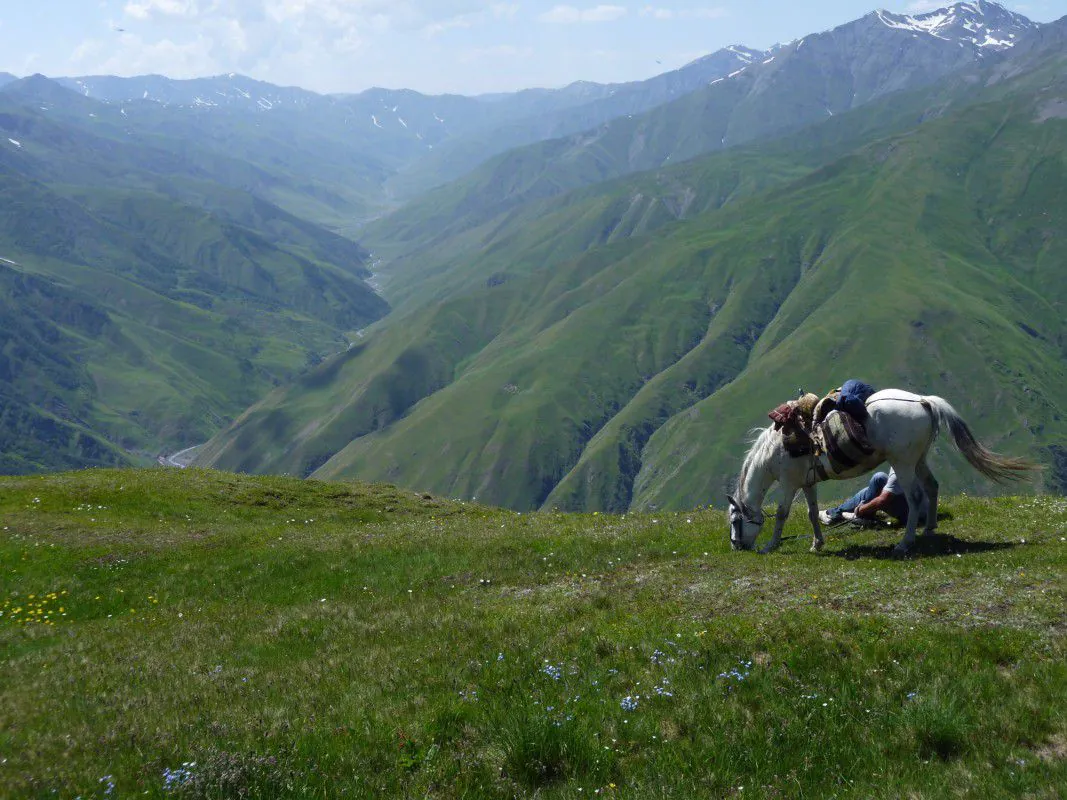
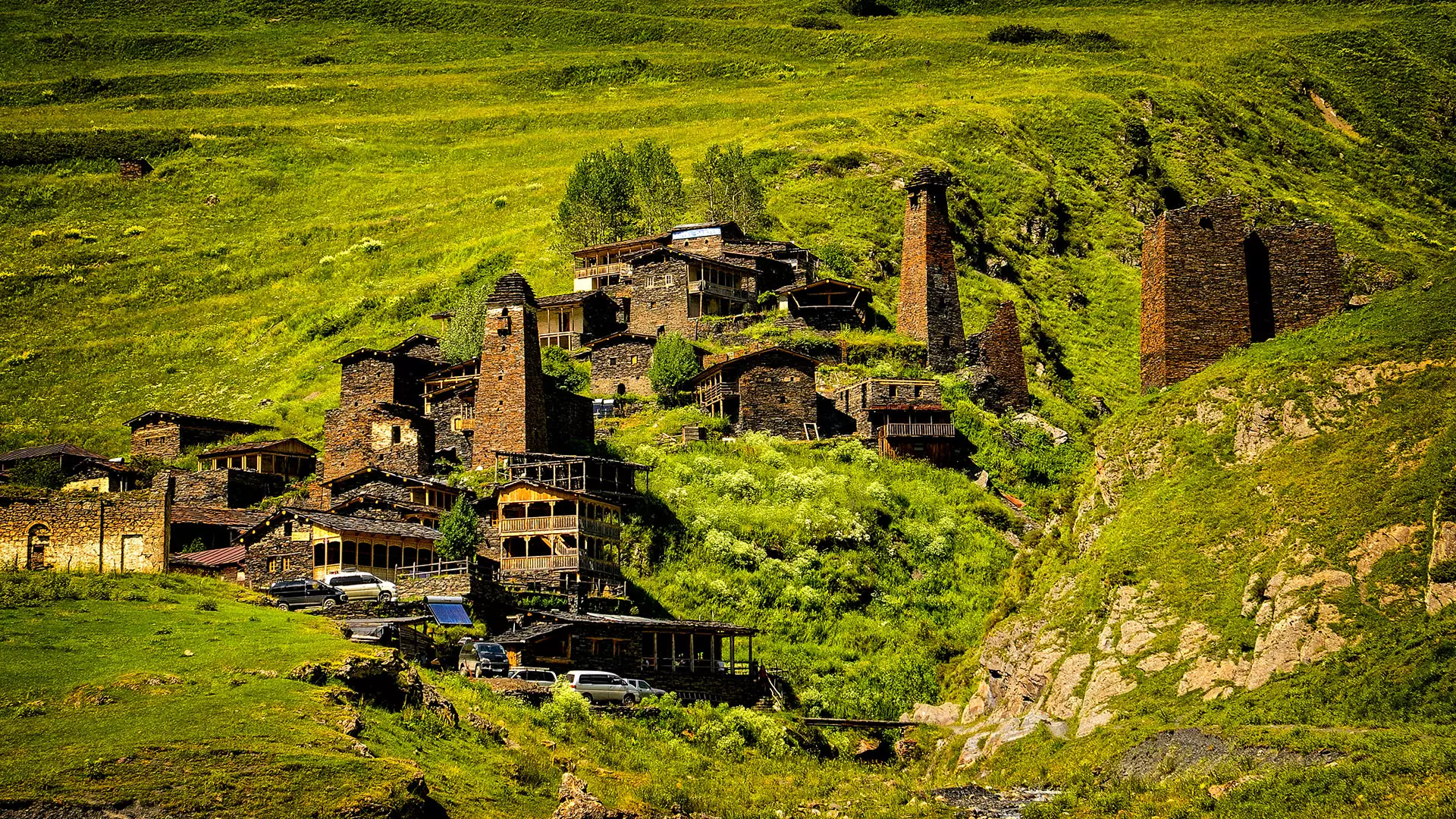
The region is home to small high-mountain villages, ancient stone towers, green valleys, and vast open landscapes with very little modern development. Omalo is the main center and the starting point for exploring the surrounding villages and mountain routes.

Tusheti is particularly fascinating for travelers interested in traditional Georgian culture, as many aspects of local life have survived largely because of the region’s isolation.

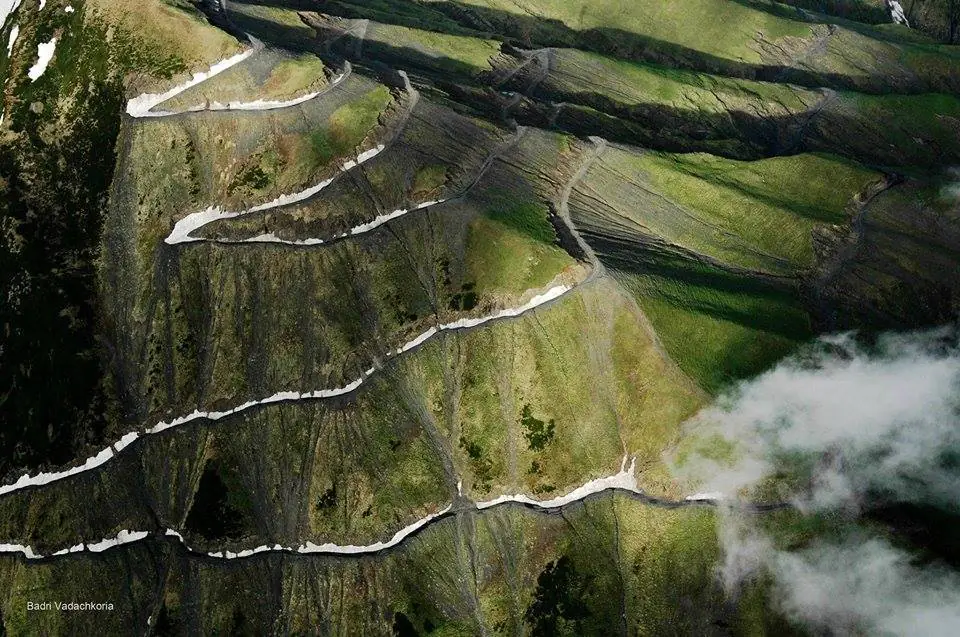
The journey itself is an adventure. The Abano Pass is considered one of the most challenging mountain roads in the country, and access depends heavily on the season and weather.

Interesting fact: many Tushetian villages sit at significant elevations, and some communities historically became almost completely isolated from the outside world during winter.

What to see: Omalo, Dartlo, traditional towers, mountain villages, valleys, and the Abano Pass.

Practical tip: Tusheti is not suitable for a spontaneous drive in a standard car. Check road conditions and seasonal access in advance and use a local 4×4 vehicle with an experienced driver. Allow at least 3-4 days for the journey.

24/
Batumi

Batumi is Georgia’s main seaside resort and one of the country’s most contrasting cities.

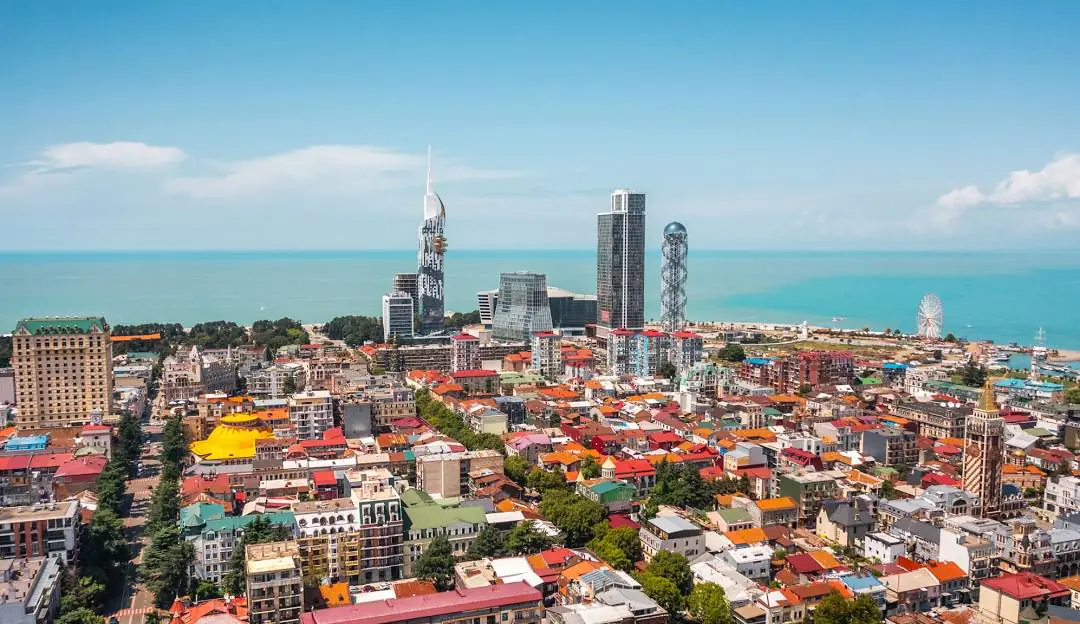
Modern high-rises, casinos, international hotels, and contemporary architecture stand alongside the historic center, small cafés, and elegant buildings dating back to the late 19th and early 20th centuries.

The Batumi Boulevard is the best place for a long walk by the sea. In and around the city center, you can visit Europe Square, the old port, the Alphabet Tower, and the famous Ali and Nino sculpture.

Batumi’s cuisine is also different from that of eastern Georgia. One of the essential dishes to try is Adjarian khachapuri, a boat-shaped pastry filled with cheese, butter, and egg.

Interesting fact: Batumi’s humid subtropical climate allows palm trees, citrus fruits, and plants to thrive that are rarely seen elsewhere in Georgia.

What to see: Batumi Boulevard, Old Batumi, Europe Square, the old port, Alphabet Tower, Ali and Nino, and the seaside.

Practical tip: for a proper beach holiday, visit during the warmer months and stay for several days. If Batumi is part of a larger Georgia itinerary, 1-2 nights are enough for an introduction to the city.
25/
The Mountains of Adjara

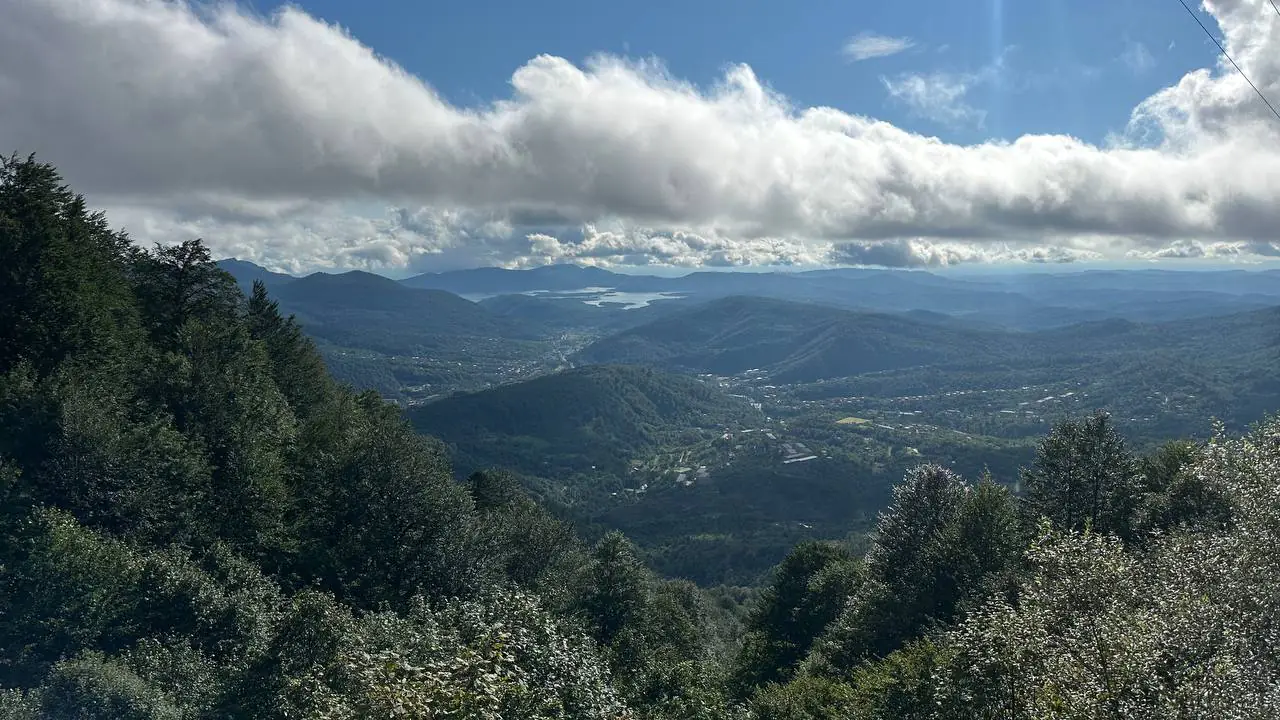
The mountains of Adjara reveal a completely different side of the region. Once you leave Batumi behind, the landscape quickly changes to dense forests, rivers, waterfalls, and small mountain villages.

The Mtirala area is particularly interesting. Known for its exceptionally humid climate, it is covered with lush vegetation and crossed by hiking trails leading to waterfalls and forest viewpoints.

Further inland, the road continues toward Khulo and Goderdzi, where the landscape becomes more mountainous and open.

Mountainous Adjara is also culturally distinct. The architecture, cuisine, and traditions of the mountain communities differ noticeably from those of the coastal city.
Interesting fact: Adjara has one of the wettest climates in Georgia, which is why its mountain forests are exceptionally lush and green.

What to see: Mtirala National Park, mountain villages, waterfalls, Khulo, scenic roads, and the Goderdzi area.

Practical tip: exploring the mountains is easiest by car with an experienced driver. Roads can be narrow and winding, so avoid an overly packed schedule and leave time for spontaneous stops.

Contents of the article:

  • 1/ Tbilisi
  • 2/ Tbilisi Sea
  • 3/ Mtskheta
  • 4/ Chateau Mukhrani
  • 5/ Gudauri
  • 6/ Kazbegi and Stepantsminda
  • 7/ Kakheti
  • 8/ Sighnaghi
  • 9/ Bodbe
  • 10/ Telavi
  • 11/ David Gareja
  • 12/ Gori
  • 13/ Uplistsikhe
  • 14/ Borjomi
  • 15/ Vardzia
  • 16/ Kutaisi
  • 17/ Martvili Canyon
  • 18/ Okatse Canyon
  • 19/ Prometheus Cave
  • 20/ Racha
  • 21/ Svaneti
  • 22/ Ushguli
  • 23/ Tusheti
  • 24/ Batumi
  • 25/ The Mountains of Adjara

magazine

Related Articles

  • Image
    /09 September, 2026
    25 Best Places to Visit in Georgia: The Ultimate Travel Guide

    Georgia may be a relatively small country, but its landscapes, history, culture, and traditions are remarkably diverse. In a single trip, you can explore the historic streets of Tbilisi, taste wine at a family-run winery in Kakheti, drive into the high Caucasus, discover ancient cave cities, explore lush canyons, and spend a few days on the Black Sea coast. Georgia is also not a country that is best experienced by simply ticking attractions off a list. Many places are interesting not because of one particular landmark, but because of the atmosphere of the entire region. The journey itself, small villages, family wineries, mountain passes, local restaurants, and spontaneous stops along the road often become some of the most memorable parts of the trip. If you are visiting for the first time, deciding what to see in Georgia largely depends on how much time you have and what kind of experience you are looking for. We have selected 25 places that reveal different sides of the country, from ancient history and winemaking traditions to high mountains, dramatic canyons, and the Black Sea coast.

    Georgian Coast, Georgian Mountains, Kakheti – Wine region, Tbilisi
  • Image
    /07 September, 2026
    5 Reasons to Open a Bank Account in Georgia

    Georgia has become an increasingly attractive banking destination for foreign entrepreneurs, investors and private clients. The country's banking sector combines modern digital services, multi-currency accounts, international transfers and a range of premium financial solutions. For many international clients, opening a bank account in Georgia can simplify everyday financial operations, provide access to local services and create a convenient base for managing funds in the region. The country's two largest banks, Bank of Georgia and TBC Bank, work extensively with international clients. Both offer standard banking services as well as premium programs such as SOLO Bank of Georgia and TBC Concept. Clients with more complex financial needs can also explore wealth management and investment services.

    Tbilisi
  • Image
    /03 September, 2026
    Corporate Retreats in Georgia

    A corporate trip today can be much more than a few days in a hotel with a conference room and a standard sightseeing program. Companies are increasingly using travel as a way to work with their teams, strengthen corporate culture, connect with partners and create an environment for new ideas. Georgia offers particularly strong opportunities in this regard. Its compact geography makes it possible to combine business sessions, leisure, gastronomy, nature and cultural experiences within a single trip. A morning can be dedicated to a strategy session, the afternoon spent at a winery or in the mountains, followed by an evening dinner featuring local cuisine and live music. For international companies, another major advantage is the variety of infrastructure available. Tbilisi and the regions offer five-star hotels, historic estates, resorts and countryside properties suitable for private meetings, presentations, conferences and large-scale events. A single itinerary can also combine several completely different settings. This is one of the reasons business travel in Georgia is becoming increasingly attractive. The country works equally well for small executive teams and larger international groups looking for a complete MICE program covering accommodation, transportation, events and on-site coordination. Team building in Georgia is another increasingly popular format. The vineyards of Kakheti, the mountain landscapes of Kazbegi, historic Tbilisi, the Black Sea coast and the remote valleys of Svaneti all offer very different settings for creating a corporate experience.

    Georgian Mountains, Kakheti – Wine region, Tbilisi
  • Image
    /20 August, 2026
    10 Unforgettable Luxury Experiences in Georgia (country)

    Georgia is often associated with traditional cuisine, ancient churches, charming streets and affordable travel. Yet there is another side to the country that is becoming increasingly attractive to discerning travelers. Beyond the familiar landmarks lies a destination shaped by privacy, exceptional landscapes, remarkable gastronomy and access to experiences that are difficult to arrange independently. From private wine estates and helicopter journeys through the Caucasus to boutique hotels, art tours and mountain adventures, Georgia offers an increasingly sophisticated approach to high-end travel. For travelers who have already explored Europe’s major destinations, this is part of the appeal. Georgia still feels undiscovered, while offering the comfort and personalization expected from a premium journey. At Premium Georgia, we believe the most memorable journeys are not built around a long list of attractions. They are created around access, atmosphere and experiences that feel genuinely personal. Here are ten ways to discover Georgia from a completely different perspective.
    Georgian Mountains, Kakheti – Wine region, Tbilisi
  • Image
    /11 August, 2026
    The Most Beautiful Places in Georgia for Photography

    Some destinations are beautiful in a familiar way. Others surprise you with every turn. Georgia belongs to the second category. Within a single journey, you can move from the snow-covered peaks of the Greater Caucasus to ancient monasteries built into cliffs, from endless vineyards and historic towns to contemporary architecture and the atmospheric streets of Tbilisi. This remarkable contrast is what makes Georgia such an exciting destination for photographers. The country offers an unusual combination of dramatic landscapes, centuries-old architecture, authentic villages, sophisticated hotels, wine regions and Black Sea scenery, often within a relatively short distance from one another. For professional photographers, travel creators, couples planning a photoshoot, or travelers who simply want to bring home photographs that feel special, there are countless opportunities to create memorable images. If you are searching for the most beautiful places in Georgia, this guide, prepared by the team at Premium Georgia, will introduce you to some of the locations we consider particularly inspiring.

    Georgian Coast, Georgian Mountains, Kakheti – Wine region, Tbilisi
  • Image
    /04 August, 2026
    Tbilisi in 3 Days: The Perfect Itinerary for Georgia’s Capital

    If you are visiting the capital of Georgia for the first time, one question inevitably comes up: what should you see in Tbilisi to truly experience the character of the city? It is impossible to discover everything in just three days, but this time is more than enough to explore its history, gastronomy, culture, and modern rhythm of life. The experts at Premium Georgia have created this Tbilisi itinerary so that each day has its own unique atmosphere. The first day is dedicated to the Old Town and the city’s main historical districts, the second focuses on panoramic views, gastronomy, and contemporary art, while the third reveals the creative side of the capital and introduces hidden gems that are rarely mentioned in traditional travel guides. This format is perfect both for first-time visitors and for travelers who have already been to Georgia and want to experience Tbilisi from a new perspective.

    Tbilisi

contacts

contact us

Leave a request and our manager will contact you shortly

address

Georgia, Tbilisi

telephone
+995 551 055 550
связаться с нами