11:00-14:30, Old Town and the Main Landmarks
The best way to begin discovering the city is on foot. This is when Tbilisi reveals itself in the most authentic and natural way.
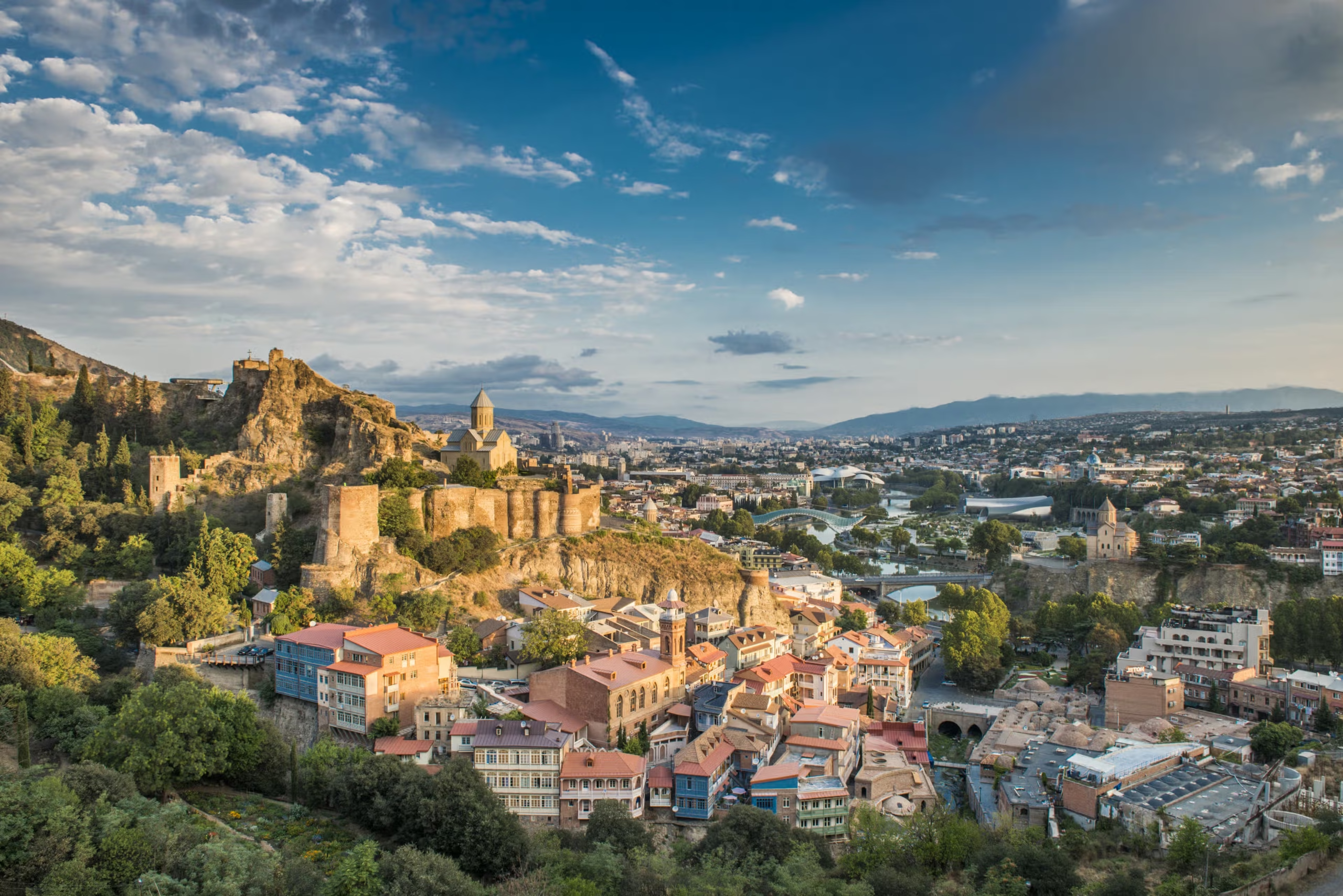
The Old Town is a maze of narrow streets, stone stairways, wooden balconies, and peaceful inner courtyards where it feels as though time has stood still for several centuries.
This is where many of Tbilisi’s most famous landmarks are located.
Old Tbilisi
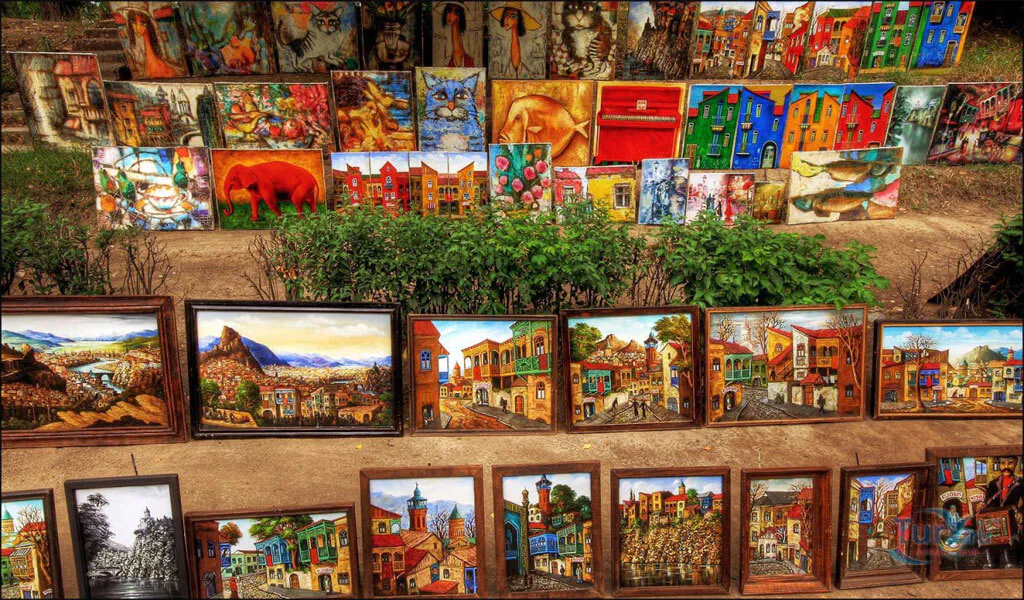
The historic center has preserved architectural elements from different eras. Traditional Georgian houses stand alongside Eastern influences, Armenian churches, modern wine bars, and small artisan workshops.
The best way to experience this area is to slow down and simply wander, exploring hidden alleys, charming courtyards, and small art galleries along the way.
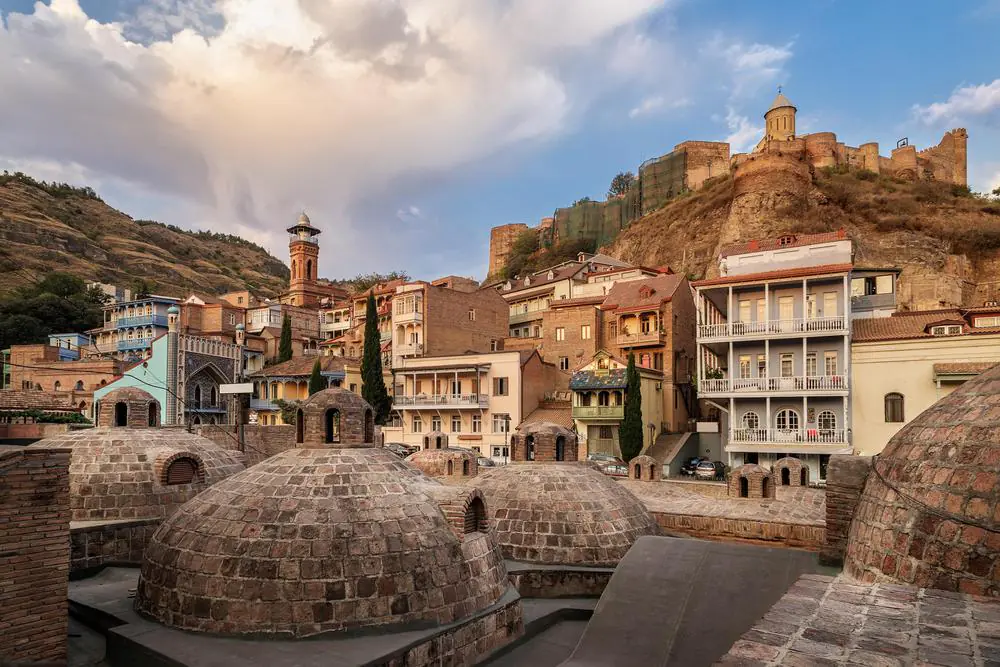
Abanotubani
The route then continues to the famous sulfur bath district.
According to legend, this is where the history of Tbilisi began. The distinctive domes of the baths have long become one of the city’s symbols, while the natural hot springs themselves have been operating for many centuries.
Even if you do not plan to visit the baths during the day, a walk through this atmospheric neighborhood is definitely worthwhile.
Narikala Fortress
The next stop is Narikala Fortress.
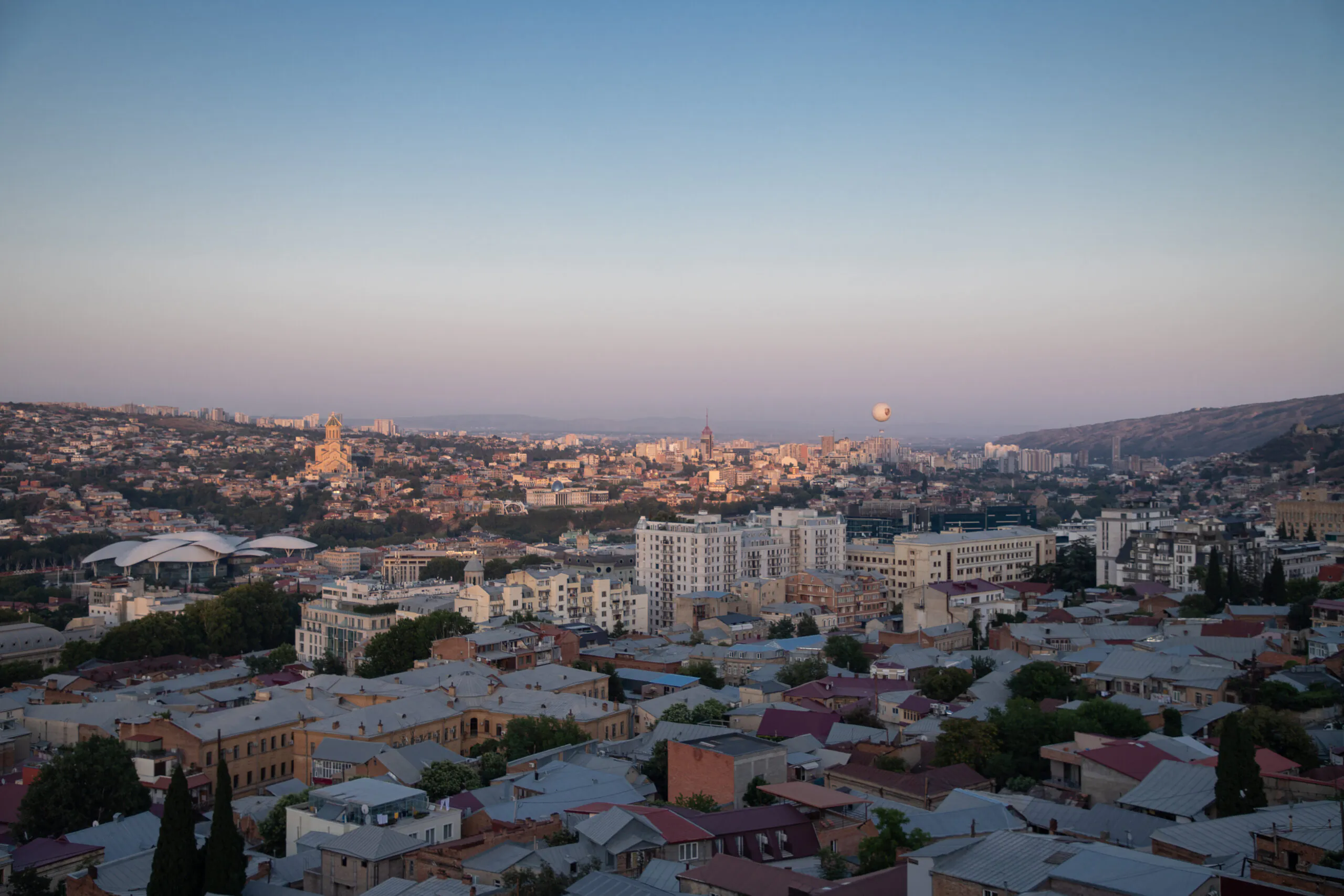
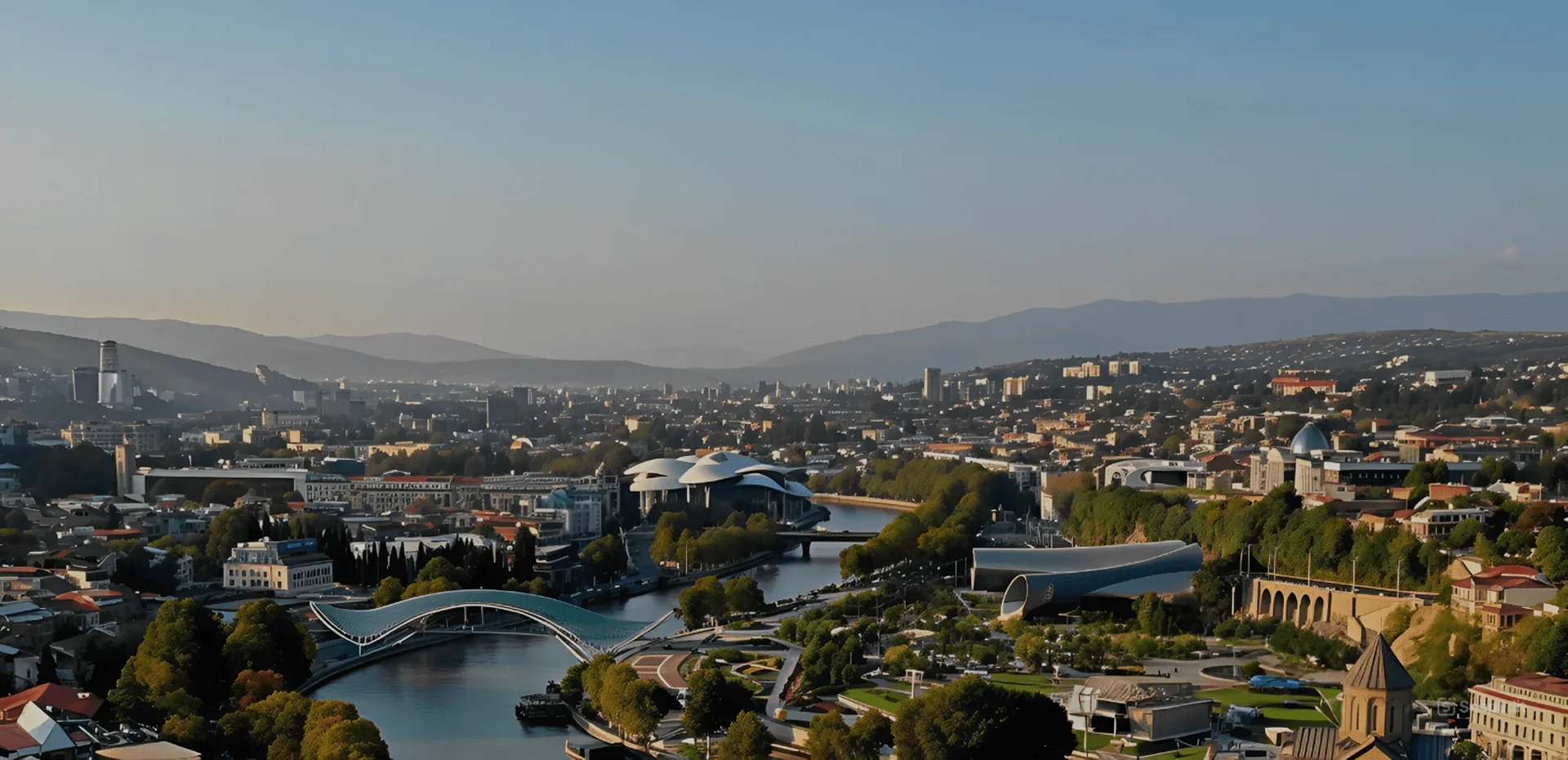
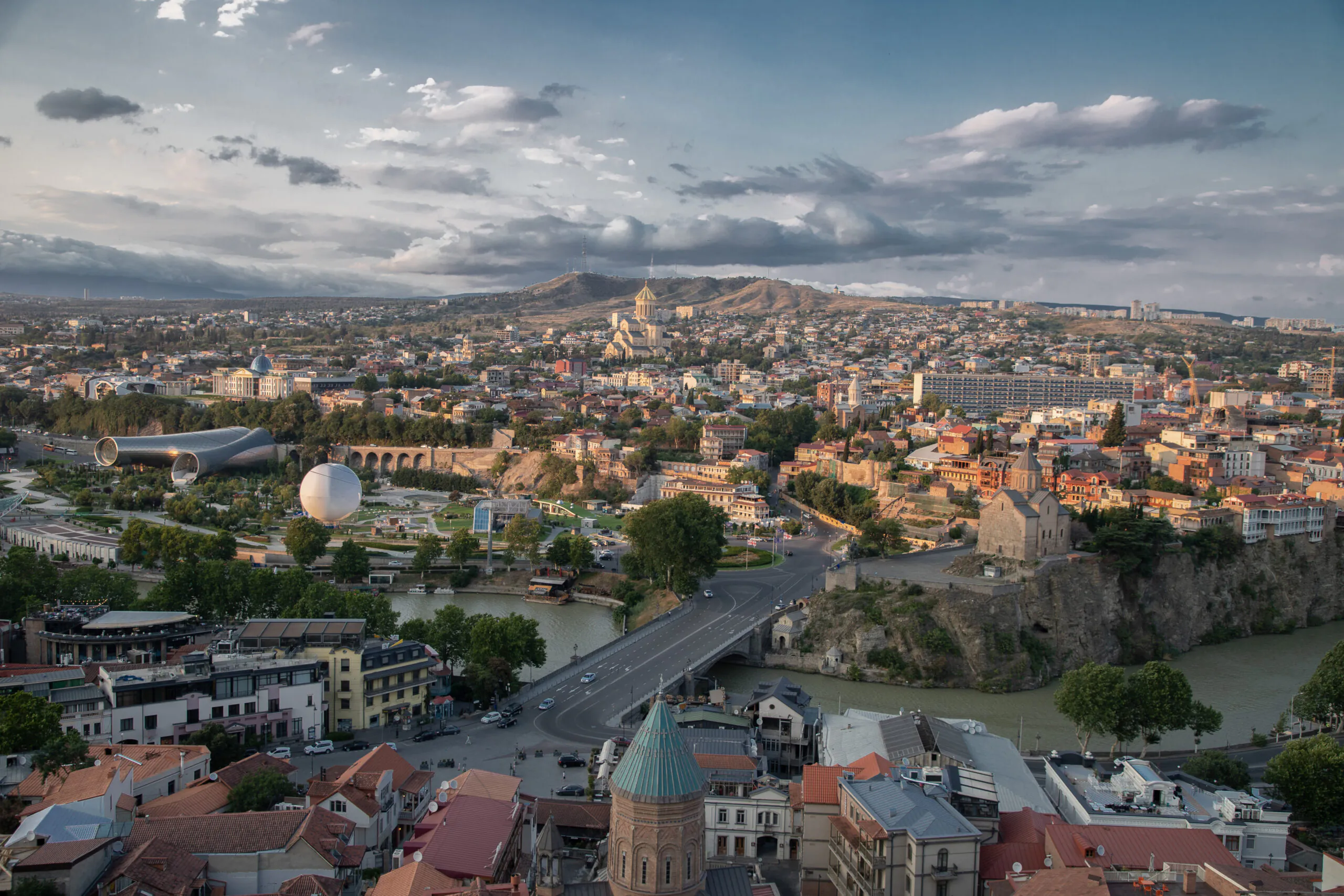
From here, one of the most beautiful panoramic views of the capital opens up: the Old Town, the Mtkvari River, modern districts, and green hills all unfold before you like a picture.
It is best to visit closer to midday, when the sunlight beautifully highlights the historic parts of the city.
Meidan Square District
On the way back down, make sure to stop by Meidan Square.
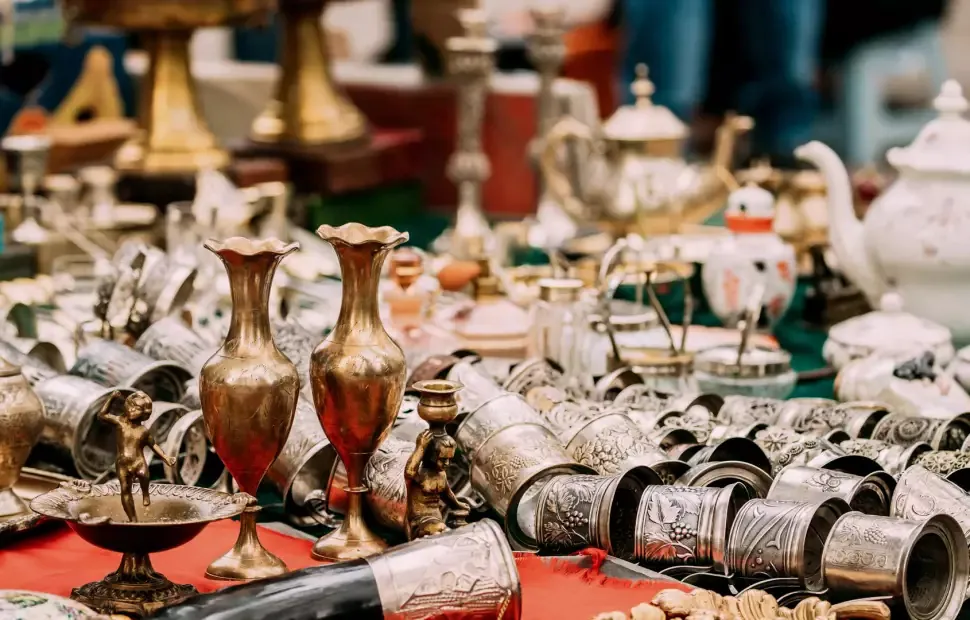
The area is home to small wine cellars, souvenir shops, cozy cafés, and historic courtyards that allow you to truly feel the authentic rhythm of life in old Tbilisi.